Nicolas Beatrizet
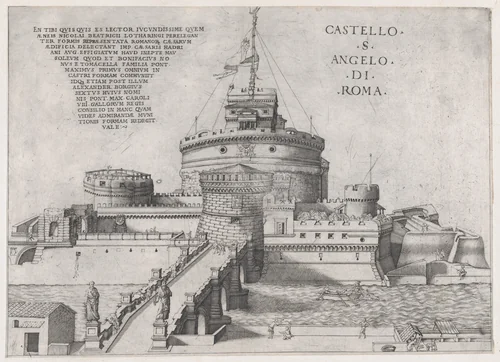
Nicolas Beatrizet was a significant French engraver whose career unfolded primarily in the intellectual epicenter of 16th century Rome. Active during a crucial period of humanist revival, roughly between 1515 and 1530, Beatrizet dedicated his practice to the challenging task of translating sculpture and architecture into the reproducible medium of the print. This strategic relocation placed him at the heart of classical scholarship and facilitated his specialization in disseminating the imagery of antiquity across Europe, cementing his role as an essential visual documentarian of the era.
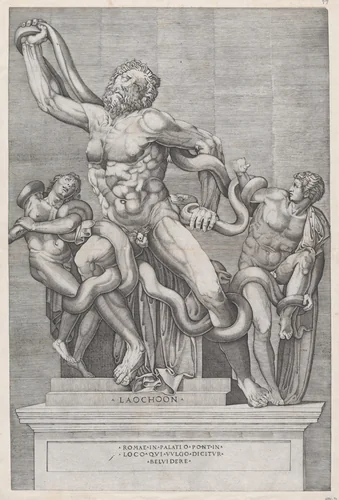
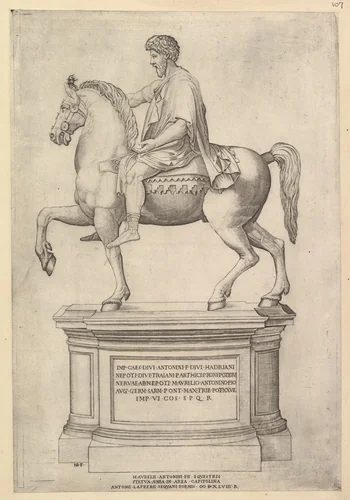
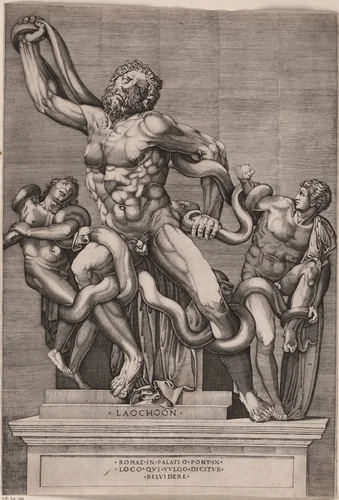
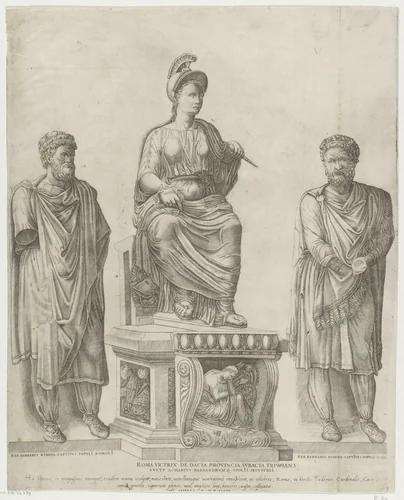
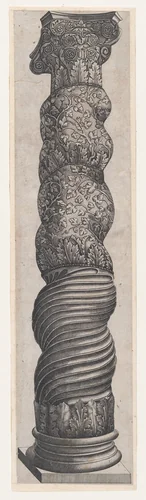
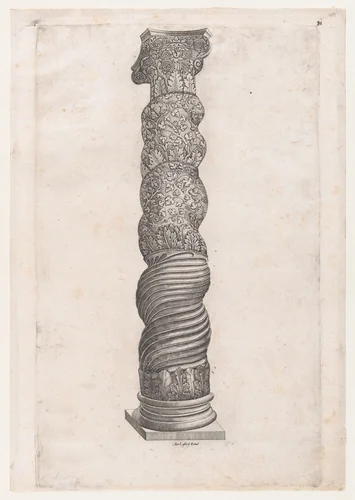
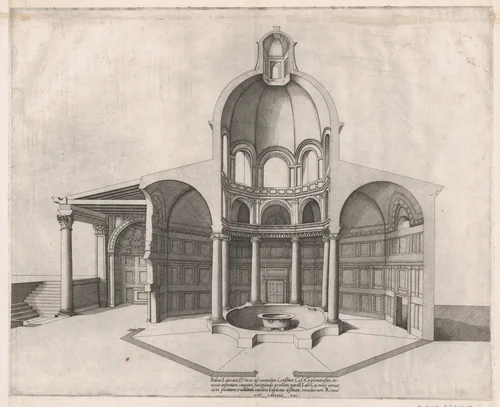
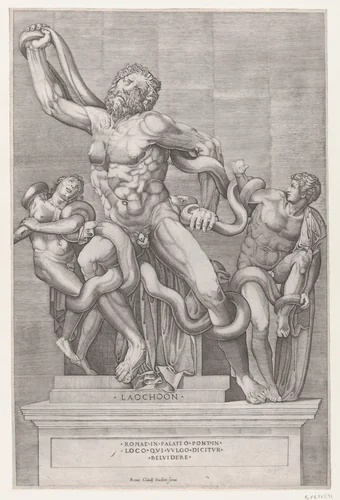
Beatrizet is perhaps best known for his contributions to the ambitious publishing venture, the Speculum Romanae Magnificentiae (Mirror of Roman Magnificence). This project, designed to catalogue and celebrate the monuments and treasures of the Eternal City, relied heavily on his detailed line work. His prints, such as Laocoon and Marcus Aurelius, were not merely copies; they were meticulous renderings that allowed scholars and patrons hundreds of miles away to study these masterpieces.
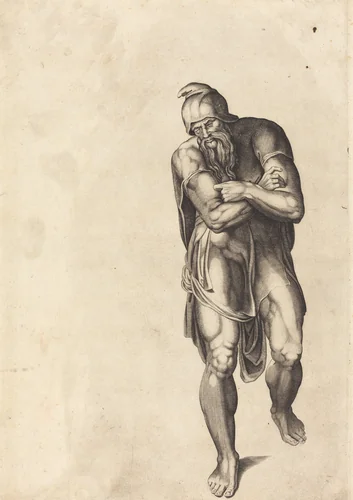
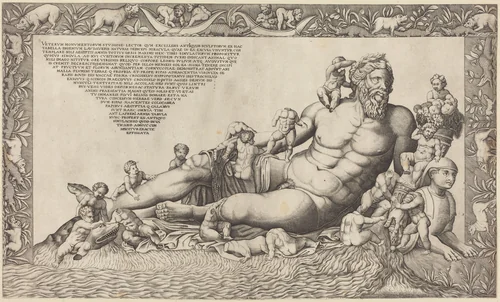
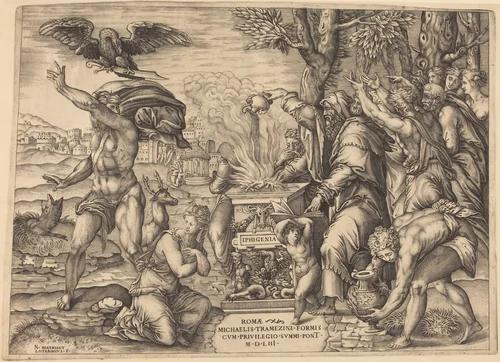
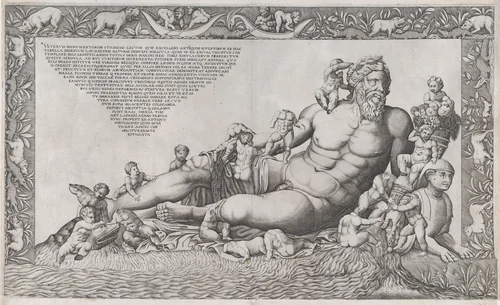
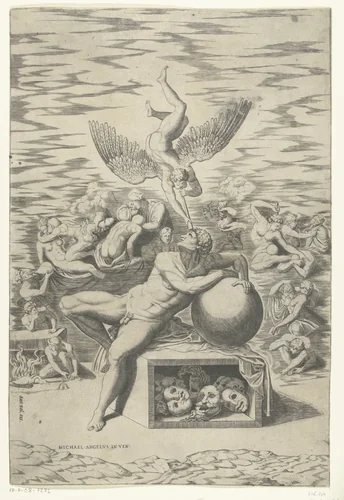
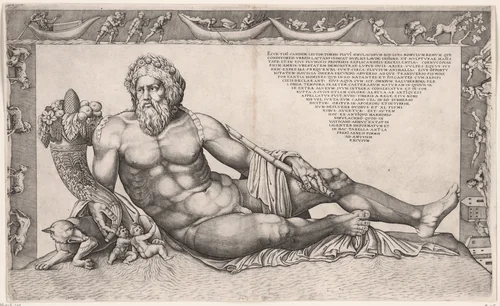
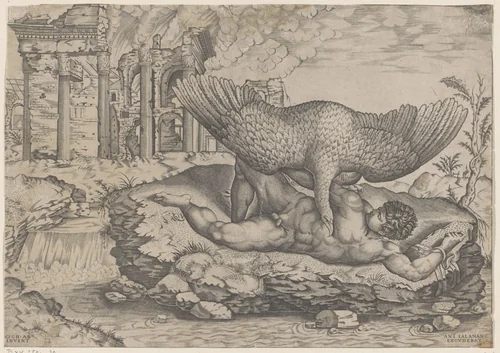
The dedication required to convey the weight and musculature of a marble statue like Striding Man using only incision and ink suggests a patient, perhaps even stubborn, commitment to precision. His total surviving output, recorded at fifteen distinct prints, illustrates a focused practice dedicated almost entirely to monumental classical subjects, including the dynamic compositions of The Sacrifice of Iphigenia and the celebrated river representation, The River God Nile.
The enduring value of Beatrizet’s output lies both in their historical accuracy and their technical quality. His high-quality prints serve as invaluable records, occasionally preserving the appearance of monuments now damaged or lost. Today, the integrity of his line remains accessible globally. Because many of his works have entered the public domain, researchers and enthusiasts can often find royalty-free images and downloadable artwork of his pivotal engravings. Major institutions, including the National Gallery of Art, the Metropolitan Museum of Art, and the Rijksmuseum, maintain core holdings of Nicolas Beatrizet prints, ensuring his quiet, yet authoritative, presence continues to inform the study of Roman antiquity and 16th century printmaking.
Source: Wikipedia · CC BY-SA 4.0