Nicolai Abraham Abildgaard
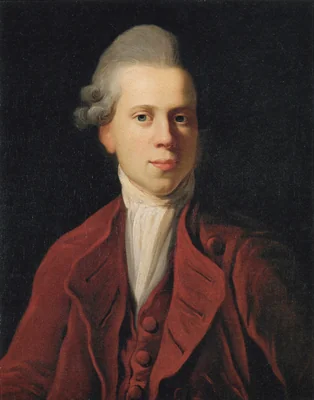
Nicolai Abraham Abildgaard stands as a pivotal figure in the development of Danish Neoclassicism, actively shaping the aesthetic landscape of Copenhagen from his earliest recorded drawings in 1763 through the end of the century. Working prolifically across multiple media, he was simultaneously a painter, sculptor, and architect. Crucially, his influence extended beyond his personal output and into the institutional core of Danish culture, as he served as a long-time professor at the New Royal Danish Academy of Art in Copenhagen, holding professorships in painting, mythology, and anatomy. This unique pedagogical background allowed him to integrate classical historical principles with meticulous technical and scientific rigor, setting the standard for subsequent generations of Scandinavian masters.
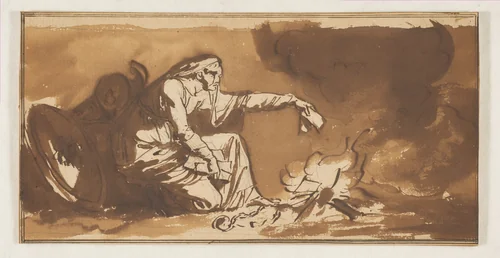
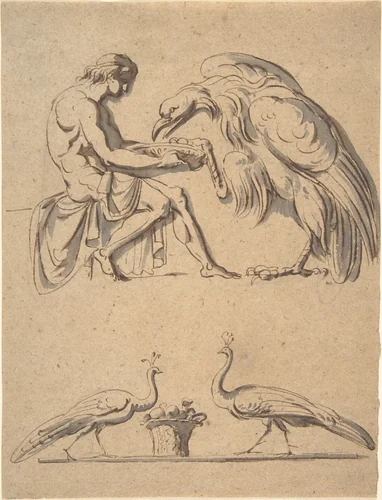
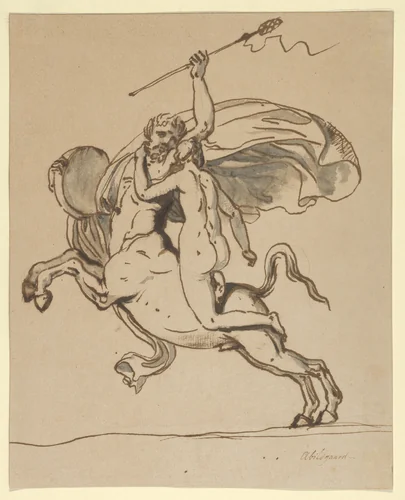
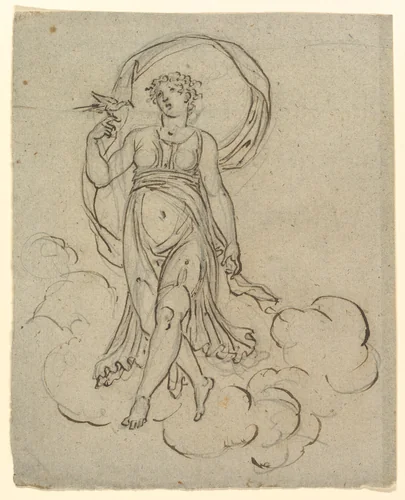
Abildgaard’s artistic focus centered on history painting and complex mythological allegories, often commissioned by the Danish crown. He undertook massive decorative schemes for several royal residences, including Christiansborg Palace, Fredensborg Palace, and Levetzau Palace at Amalienborg. While many of his grand mural cycles have unfortunately been damaged or lost to fire, his surviving drawings and studies, such as the intense An Old Woman Burning Papers and the mythological narrative Jupiter, disguised as an eagle, with Ganymede, provide exceptional insight into his dramatic composition and masterful draftsmanship.
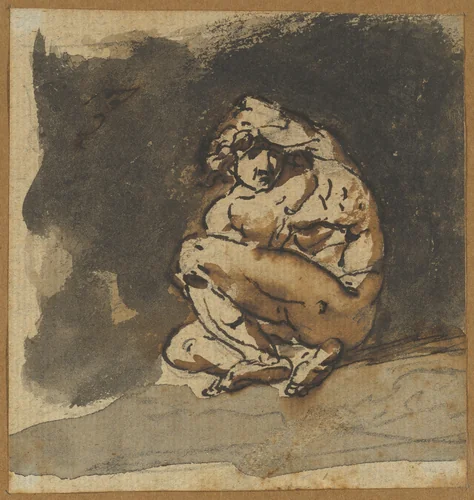
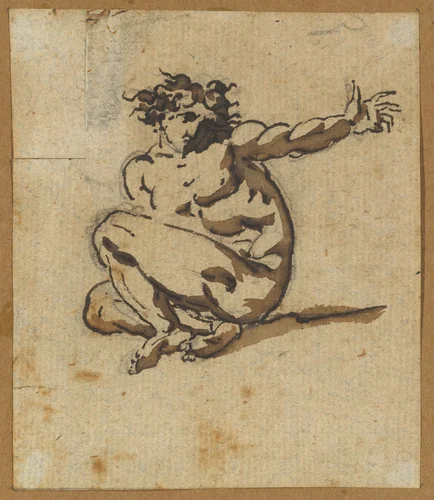
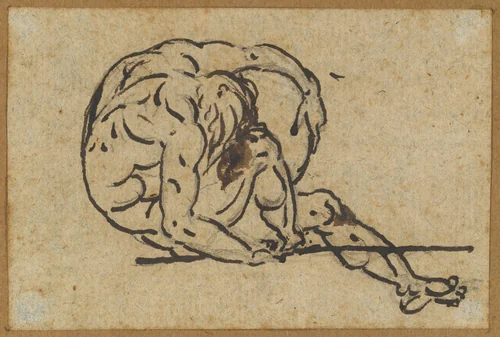
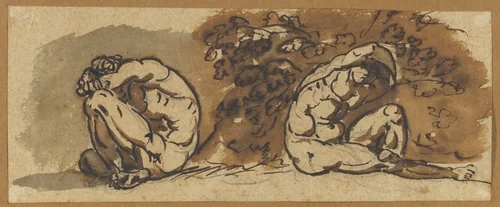
His meticulous attention to the human form, honed by his anatomical teaching duties, is powerfully evident in his preparatory academic works. Studies like Study of a Male Nude (Althaemenes) in Despair demonstrate an exacting command over pose and musculature, coupled with a rare ability to convey profound psychological distress. It is perhaps fitting that an artist who taught both mythology and anatomy managed to inject the precise study of the dissecting table into the lofty drama of Olympus.
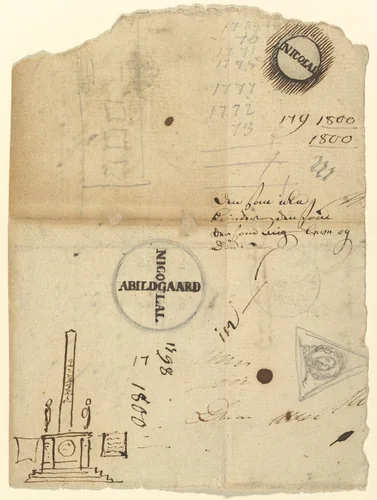
Though his large-scale paintings are rare outside of specific Danish collections, the breadth of Abildgaard’s artistic output is preserved through his drawings and engravings. Many of the works illustrating the career of Nicolai Abraham Abildgaard paintings are now widely available in the public domain, allowing institutions like the Metropolitan Museum of Art to disseminate his legacy. Through access to these museum-quality resources, contemporary audiences can examine the technical brilliance and intellectual depth that defined his essential contributions to Neoclassicism.
Source: Wikipedia · CC BY-SA 4.0