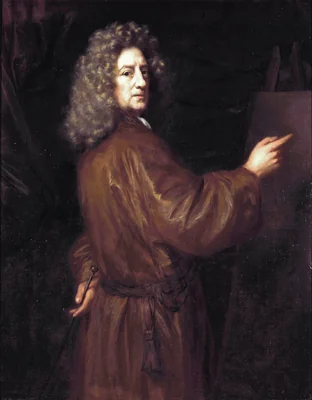
Nicolaes Maes
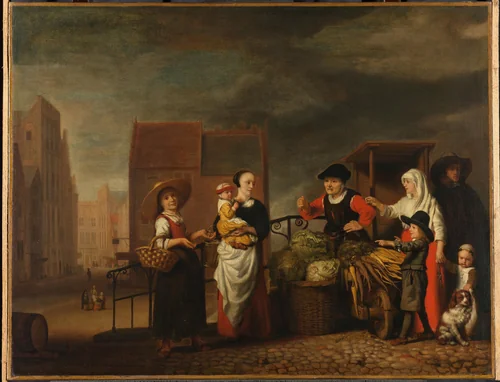
Nicolaes Maes (1634-1693) stands as a pivotal figure in the final flourishing of 17th-century Dutch painting. Training initially in Amsterdam under Rembrandt van Rijn, Maes quickly synthesized his master’s dramatic handling of light with a focused, intimate perspective, establishing a reputation that spanned far beyond his native Dordrecht. He is celebrated for his sophisticated contributions across genre scenes, portraiture, and religious compositions.
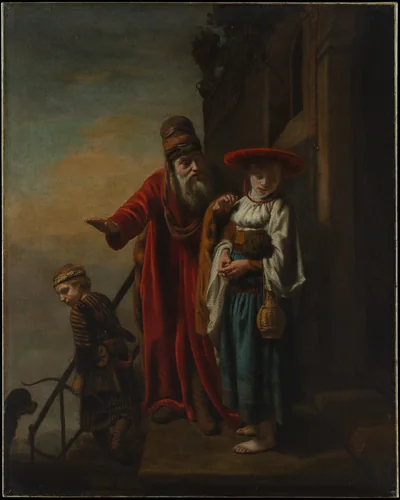
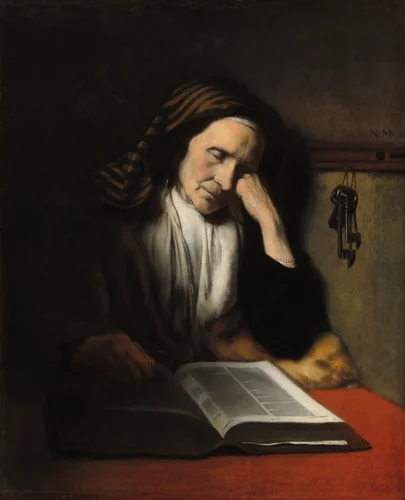
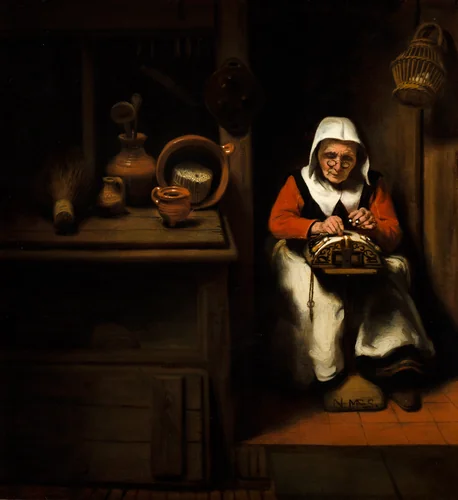
Returning to Dordrecht early in his career for two decades, Maes concentrated on innovative genre scenes, which significantly advanced the development of domestic painting in the Netherlands. His early religious works, such as The Adoration of the Magi and the double-sided study Jacob Receiving Joseph's Blood-Stained Cloak, demonstrate a facility with complex narratives and high drama. Yet, his subtle genius lay in capturing quiet, everyday moments, specializing in figures caught in domestic contemplation or engaged in moralizing tasks. This focus on the interior life served as a charming counterpoint to the bombastic historical subjects preferred by his teacher.
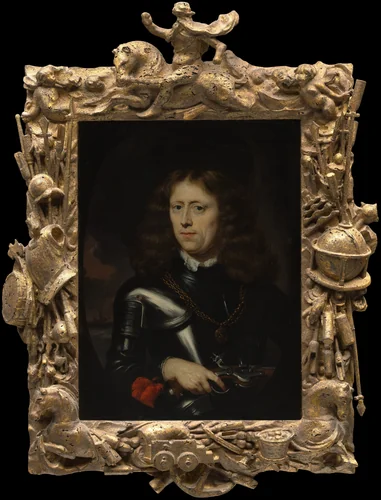
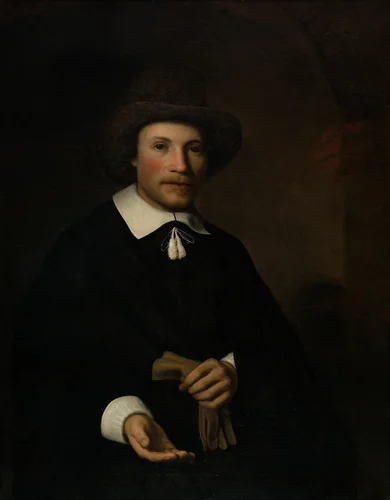
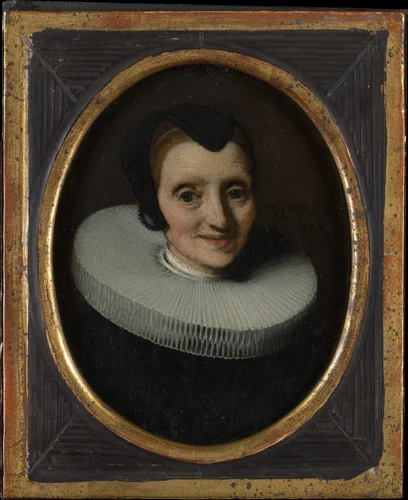
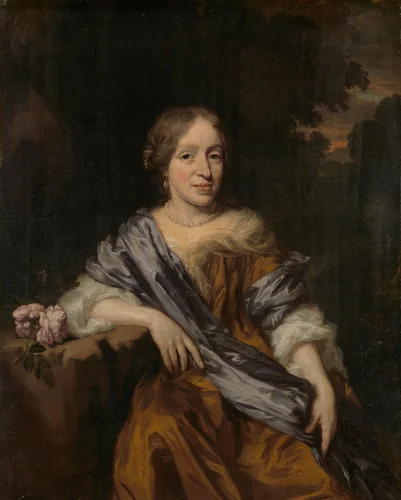
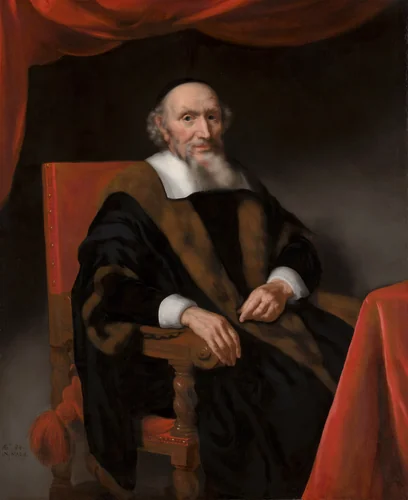
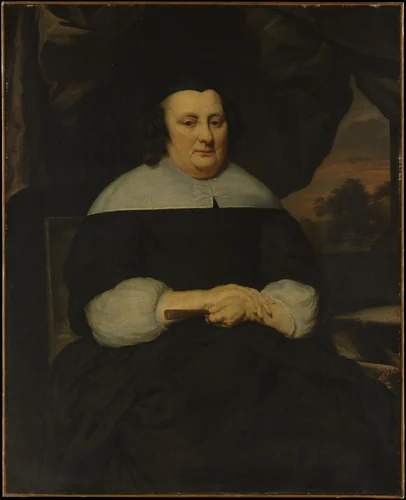
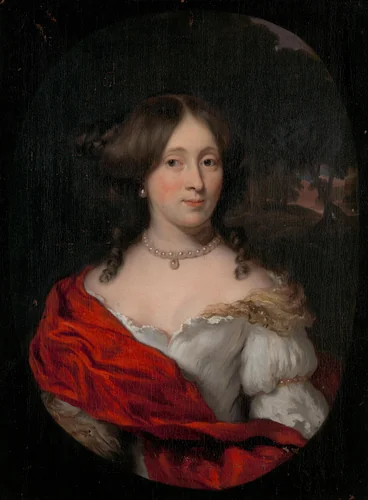
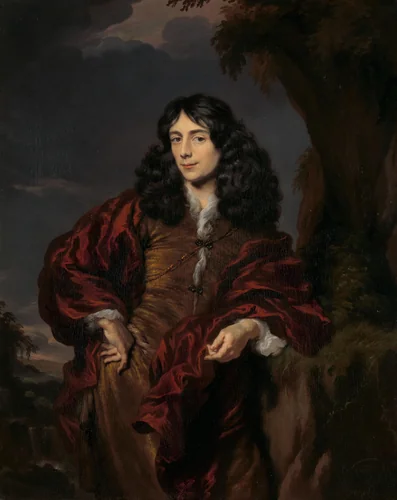
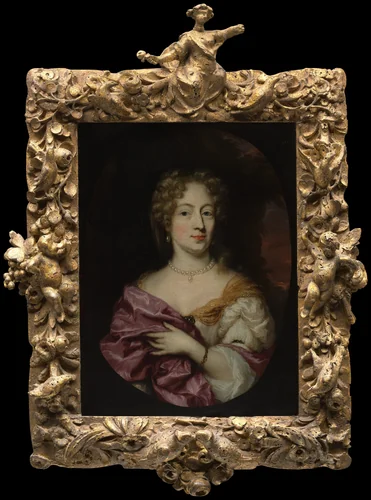
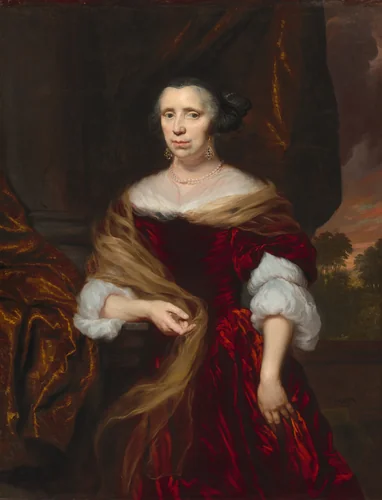
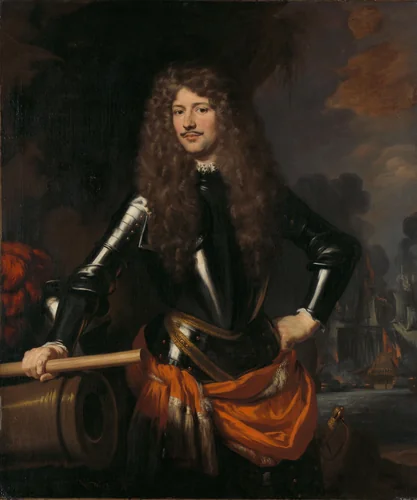
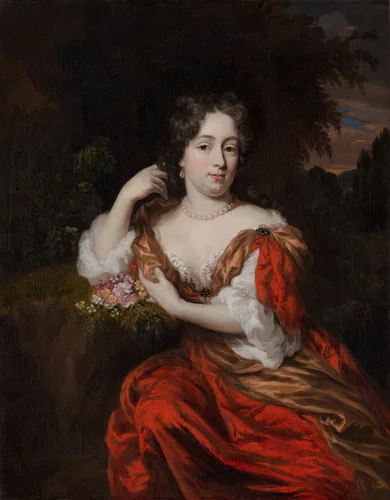
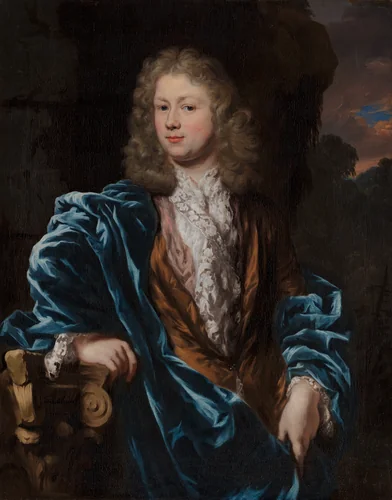
Around 1673, Maes made a strategic move back to Amsterdam. This decision coincided with an increasingly prosperous patronage class, and Maes quickly cornered the market. His later career trajectory suggests a keen awareness of public taste; he successfully transitioned from a master of intimate genre to become the city’s leading purveyor of high-status portraiture. For the final three decades of the century, commissioning a polished portrait from Maes was de rigueur for Amsterdam’s elite society.
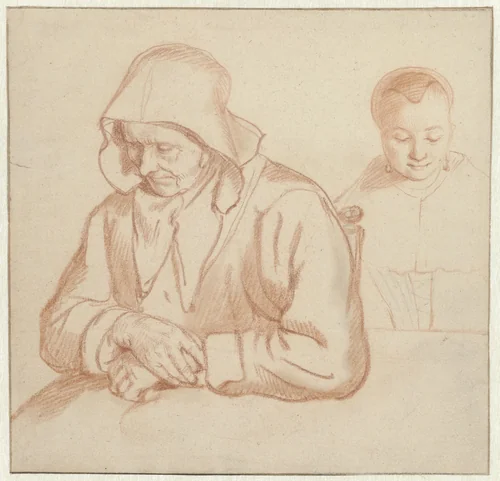
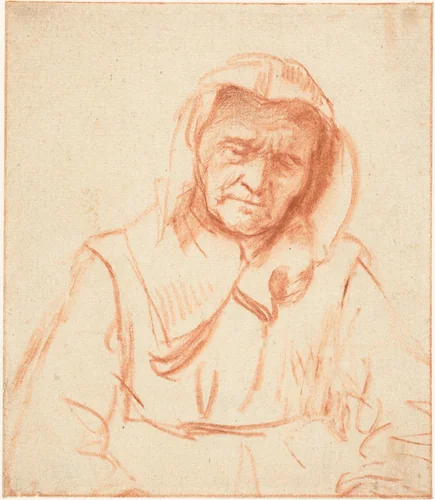
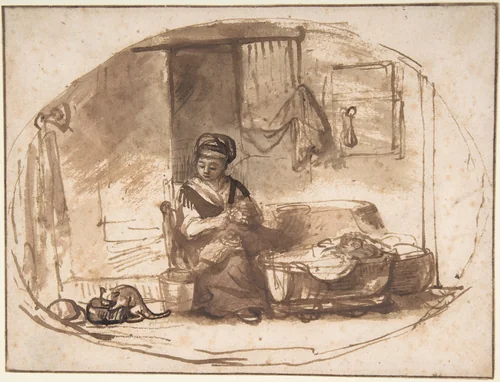
Though known primarily for these society portraits, the totality of Maes’s output, including the drawings and early Nicolaes Maes paintings held in major institutions like the Rijksmuseum and the Metropolitan Museum of Art, illustrates his comprehensive technical mastery. Scholars today continue to examine the technical evolution evident between his early, Rembrandtesque subjects and his refined, later style. Given the age and historical significance of his work, many excellent high-quality prints derived from original Maes works are frequently represented in the public domain, offering researchers worldwide royalty-free access to view and study downloadable artwork.
Source: Wikipedia · CC BY-SA 4.0