Nickolas Muray
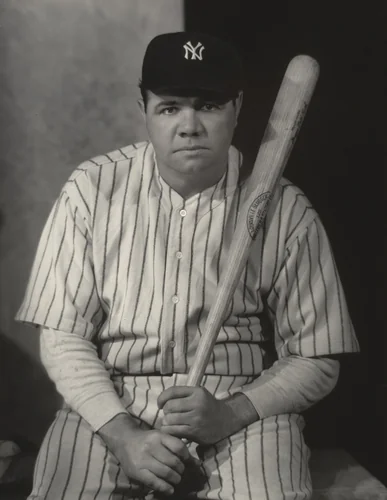
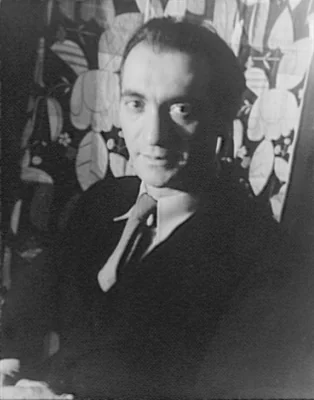
Nickolas Muray (1892-1965), the Hungarian-born American photographer, was a defining practitioner of early twentieth-century portraiture, capturing the cultural evolution of the Roaring Twenties with technical mastery and compositional elegance. Muray’s primary creative window, spanning the years 1920 to 1927, placed him at the heart of modern American media and art, granting him unparalleled access to public figures across the stage, literary, and fine art communities.
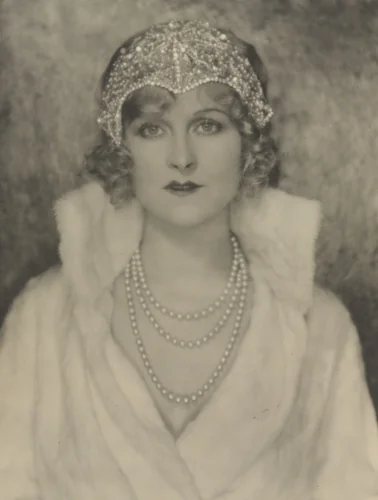
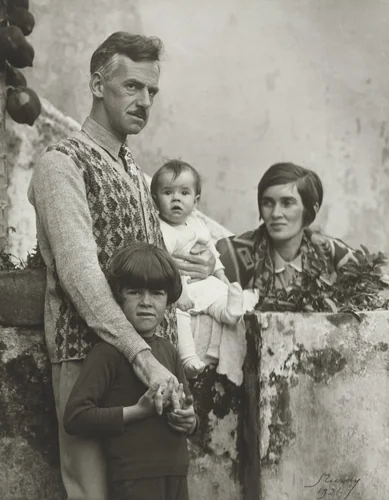
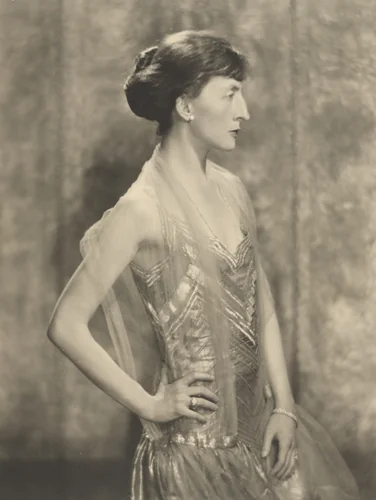
His disciplined approach yielded sensitive and striking studies, many of which are now considered museum-quality examples of modernist photography. His body of work includes definitive images of playwright Eugene O’Neill and his family, as well as theatrical luminaries such as Clare Eames and actress Hope Hampton. These portraits demonstrate Muray’s signature ability to infuse high-key glamour with psychological depth, moving beyond mere journalistic documentation.
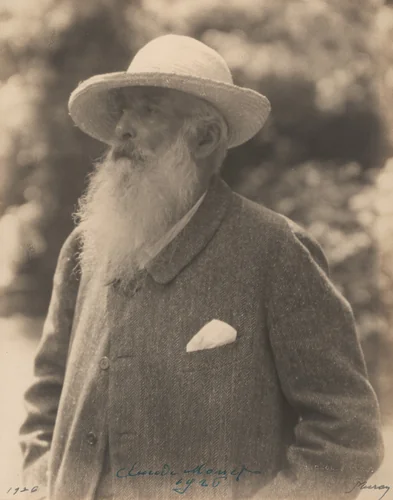
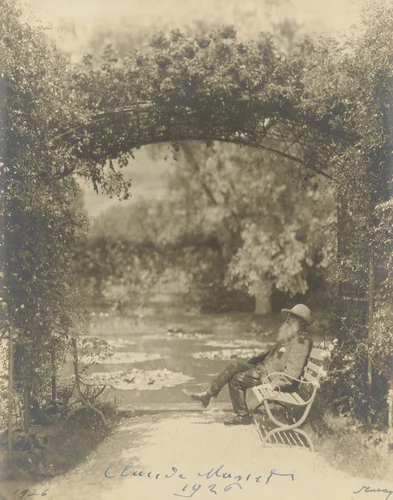
Perhaps the most culturally significant images from this period are his studies of the elderly Claude Monet, captured twice by Muray’s lens. These rare photographs offer a quiet insight into the final years of the great French Impressionist, providing a powerful counterpoint to the vibrant celebrity work for which Muray was commercially renowned.
What lends a unique edge to Muray’s precise visual artistry is the subtle fact that he pursued his sophisticated studio practice while maintaining a parallel career as a world-class Olympic saber fencer. He represented the United States in the 1928 and 1932 Games, a discipline that suggests an unusual commitment to rigor and focus that is subtly reflected in the clean lines and meticulous structure of his photographic compositions.
Muray’s foundational works of the 1920s are preserved in major institutional collections, including the Museum of Modern Art. Today, the enduring clarity and historical relevance of his output means that these images are frequently sought after as high-quality prints, ensuring his continued influence over the visual history of the Jazz Age.
Source: Wikipedia · CC BY-SA 4.0