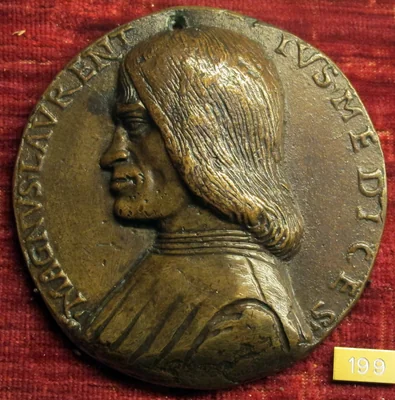
Niccolò Fiorentino
Niccolò di Giovanni Fiorentino, often referred to simply as Nicolas of Florence, emerged as a highly influential Italian Renaissance sculptor and architect whose extensive career spanned the majority of the fifteenth century. Active particularly within the expansive territories of the Venetian Republic and the emerging artistic centers of Dalmatia, Fiorentino served as a primary conduit for translating the developing aesthetic principles of the Florentine Quattrocento to the eastern Adriatic.
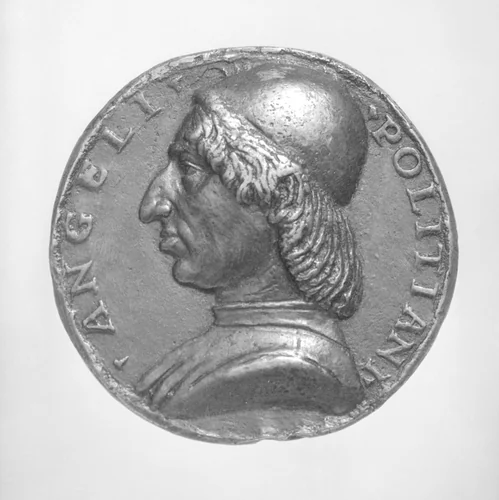
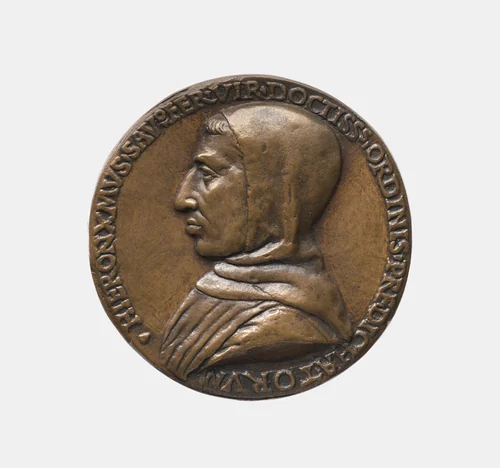
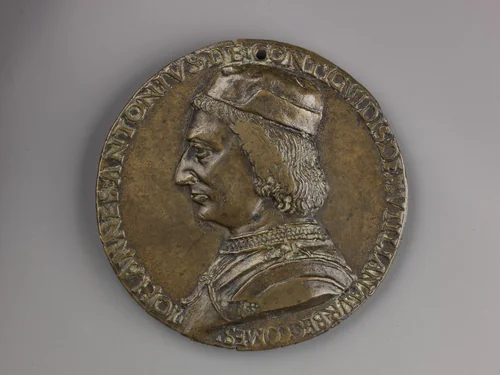
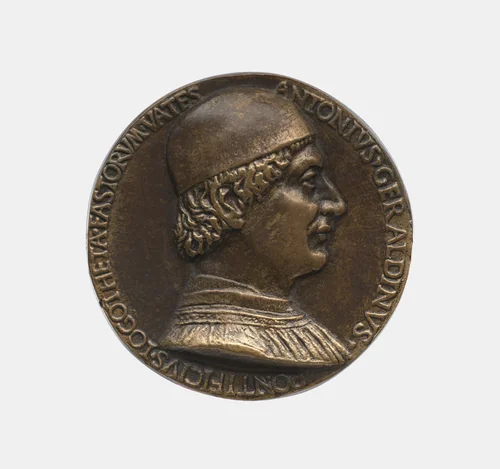
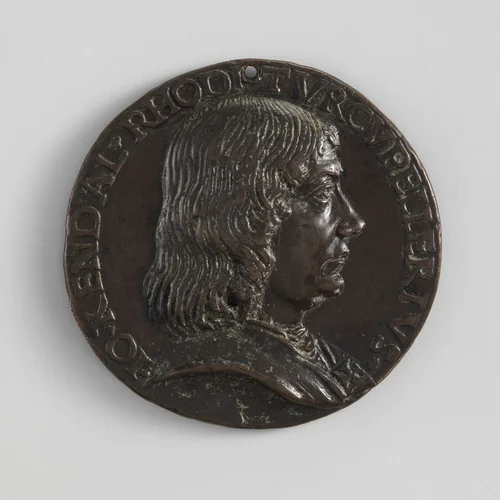
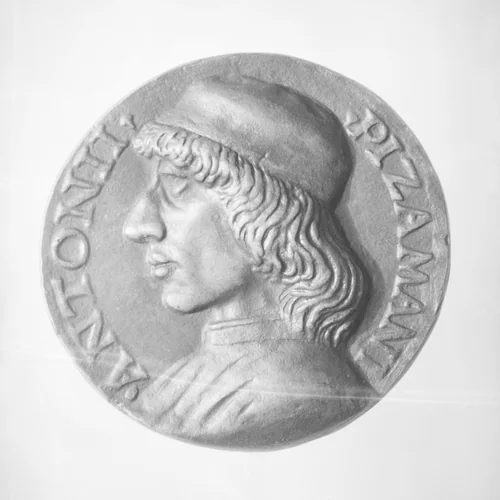
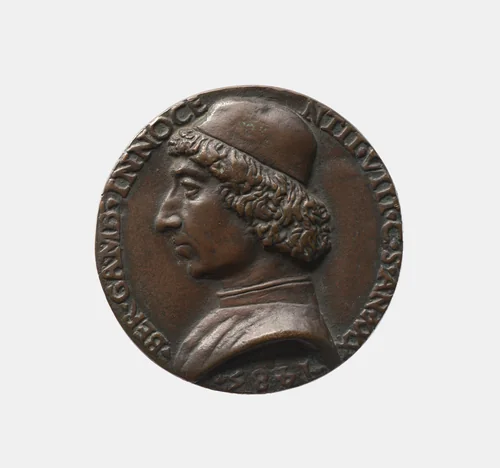
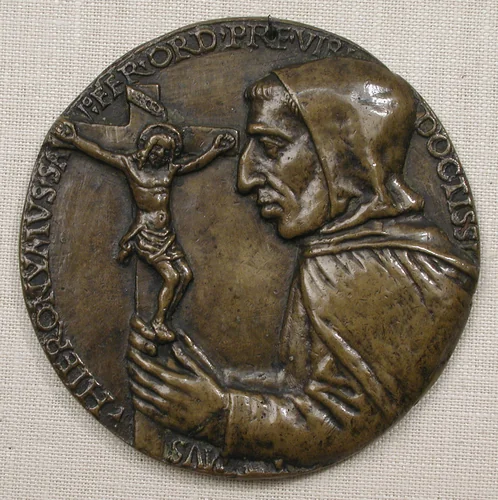
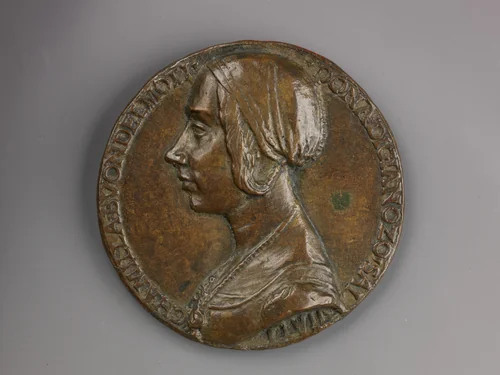
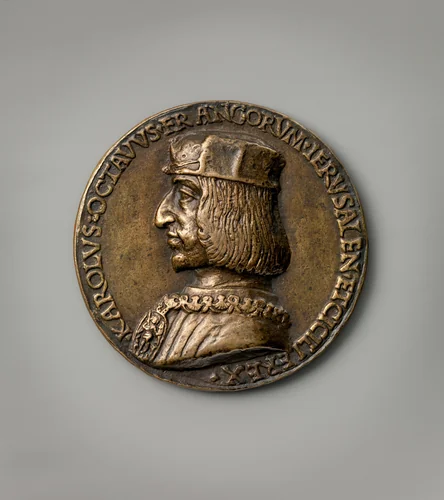
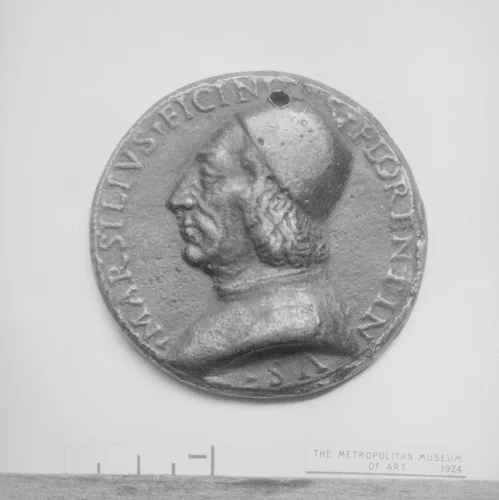
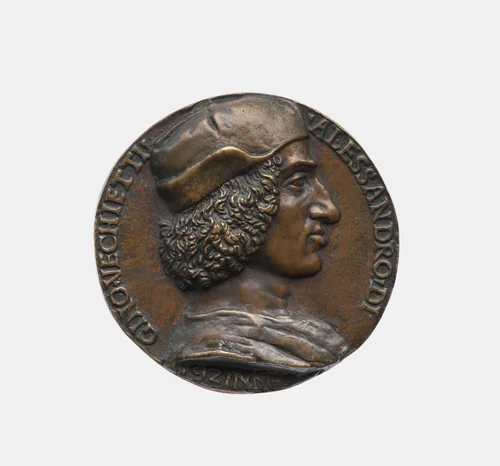
While his architectural commissions shaped the urban landscapes of Venice and beyond, it is through his small-scale bronze works that Fiorentino’s precision and artistry are most clearly discernible. His practice of casting commemorative medals and plaquettes established him as one of the preeminent medalists of his generation, successfully adapting the classical revival initiated by Pisanello into a more intimate, portable format. These fourteen known surviving metalworks, now housed in major institutions like the Metropolitan Museum of Art, are characterized by exacting detail and powerful psychological insight.
His clientele included the most significant thinkers, preachers, and political figures of the era, resulting in museum-quality portraits that provide invaluable historical records of the intellectual ferment surrounding the Florentine court. Among his celebrated subjects are the humanist Marsilio Ficino (1433–1499) and the sharply executed likeness of the controversial Dominican reformer Girolamo Savonarola (1452-98). Perhaps the most graceful of these portrait sets is the double medal depicting the poet and scholar Angelo Poliziano (1454–1494) and Maria Poliziana, a masterful demonstration of profile clarity and high Renaissance taste.
The paradox of Fiorentino’s career lies in the fact that this quintessential “Florentine” master achieved his greatest fame and longevity far from Tuscany, consistently exporting and refining the artistic language of his birthplace in the cosmopolitan environment of Venice. This transnational activity ensured that his contribution was both monumental in architecture and minutely precise in sculpture. His artistic legacy, much of which is now in the public domain, continues to offer collectors and historians stunning examples of Renaissance metalwork, providing high-quality prints for study and admiration well into the modern era.