Netherlands
The artistic output cataloged under The Netherlands centers on a sustained, century-long production of high-quality textiles dating consistently from 1601 to 1701. This period of intense creative activity coincides precisely with the Dutch Golden Age, cementing The Netherlands’ status as a premier European hub for decorative and applied arts during the 17th century.
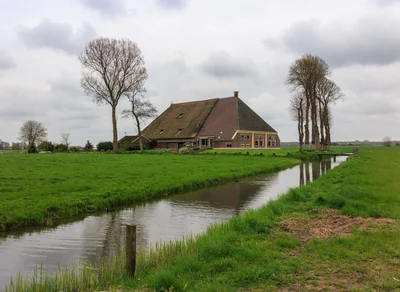
Geographically defined by its position in Northwestern Europe, sharing borders with Germany to the east and Belgium to the south, and critically influenced by its extensive North Sea coastline, the characteristic works reflect the substantial mercantile and cultural resources flowing into the twelve provinces of the Kingdom. The unified identity inherent in these materials is intrinsically linked to the culture defined by the primary official language, Dutch, though secondary languages like West Frisian and Papiamento attest to the territory’s broad maritime reach, which includes shared borders with the United Kingdom.
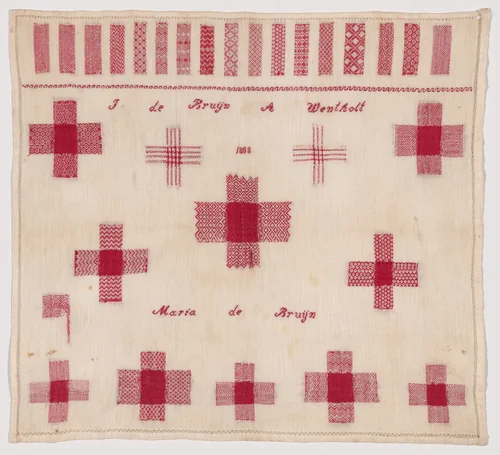
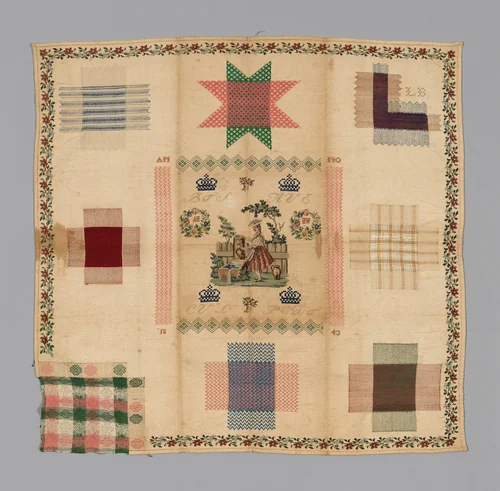
The known oeuvre, comprising at least fifteen documented textile works, is largely preserved in institutions like the Art Institute of Chicago. Due to the inherent fragility of 17th-century material culture, the majority of the documented pieces are cataloged simply as Fragment. Despite this condition, these remnants demonstrate a sophisticated mastery of fiber preparation, weaving, and dying techniques that were widely influential across Europe. The high demand for such textile art during this period also spurred parallel advancements in Netherlands prints and paintings.
The systematic and prolific nature of this century-long output suggests a highly standardized production environment. It is perhaps one of the only major artistic entities in history whose entire known institutionalized oeuvre consists exclusively of such structural remnants. Today, the details of this craftsmanship remain highly accessible, with many of the patterns and textures available as downloadable artwork or through public domain initiatives, ensuring that the legacy of this museum-quality material history endures.
Source: Wikipedia · CC BY-SA 4.0