Netherlandish Painter
The designation Netherlandish Painter is assigned to an anonymous artist or workshop active throughout a long and significant period of the early European Renaissance, spanning from approximately 1430 to 1550. Operating within the sophisticated tradition of the Low Countries, the painter specialized in meticulously detailed devotional subjects and portraiture.
The extant body of work attributed to the Netherlandish Painter is preserved in major institutions, establishing the historical significance of their output. Fifteen paintings are currently represented in museum collections, including works held by the Metropolitan Museum of Art.
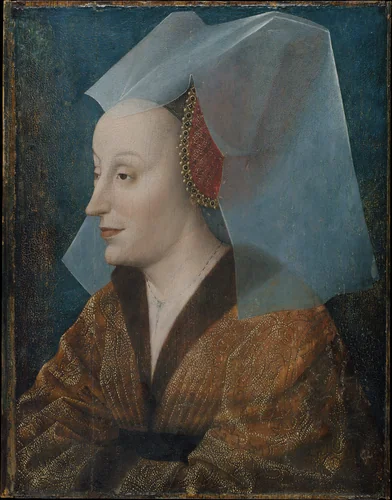
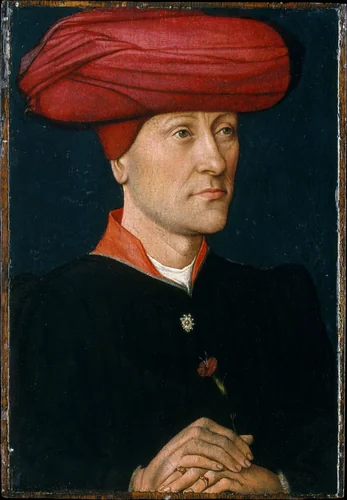
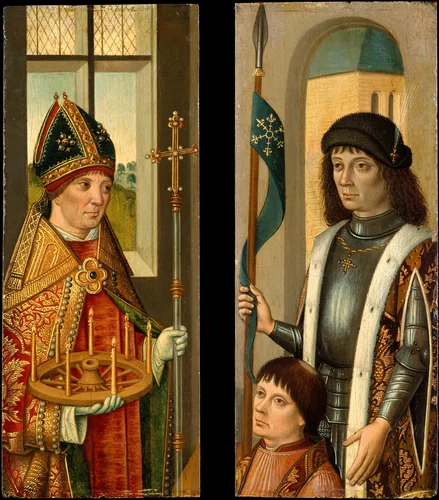
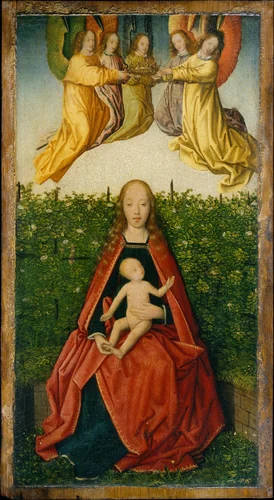
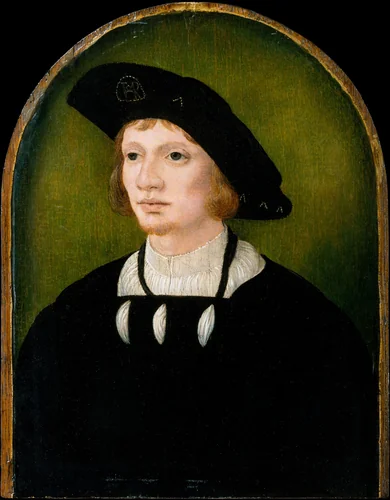
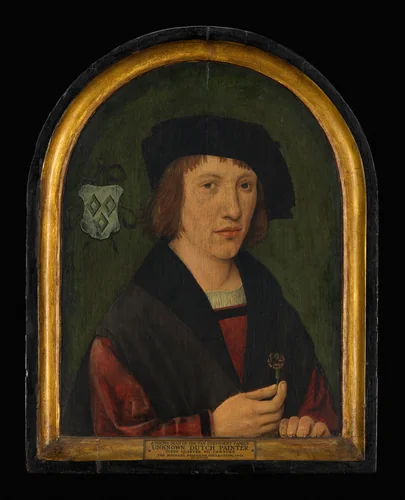
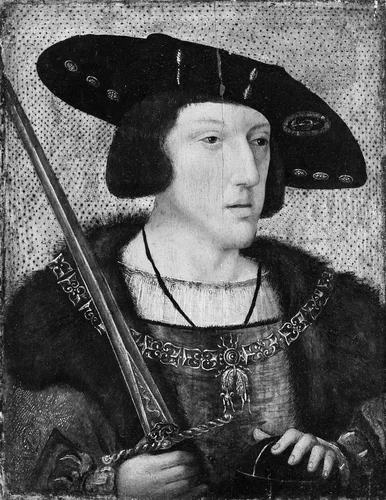
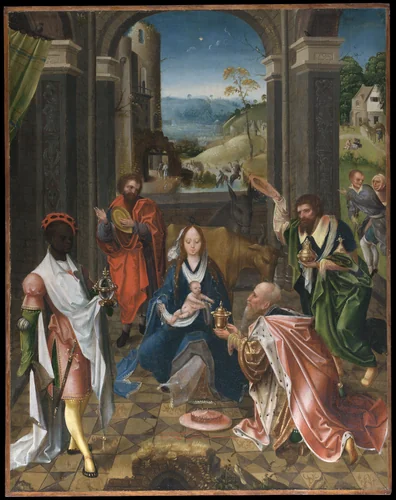
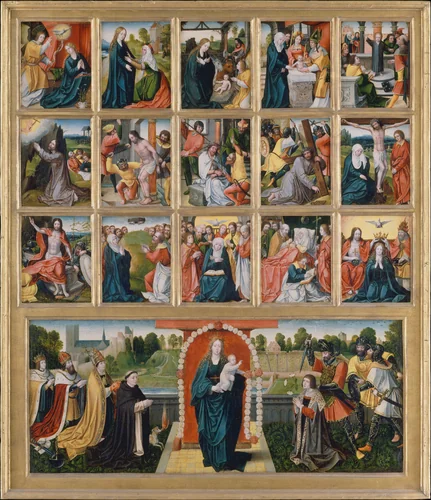
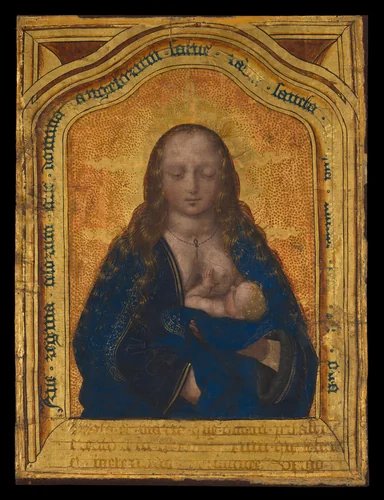
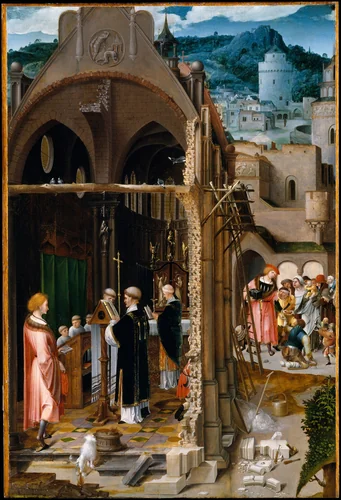
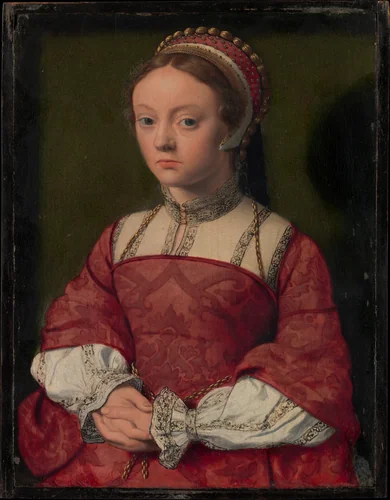
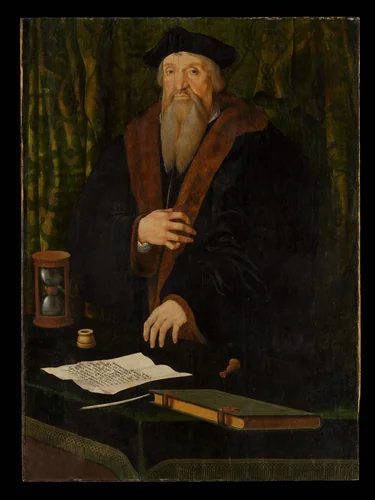
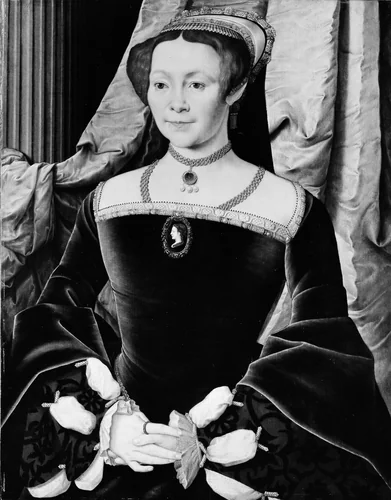
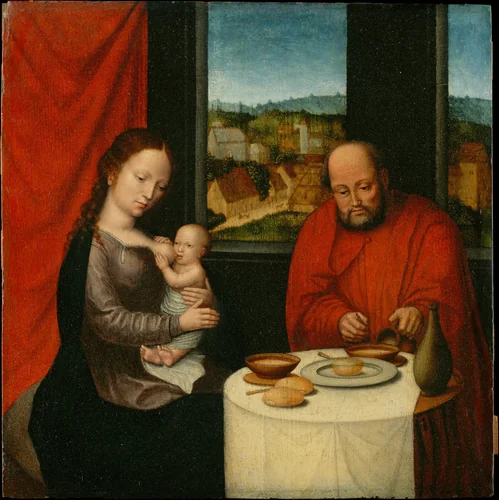
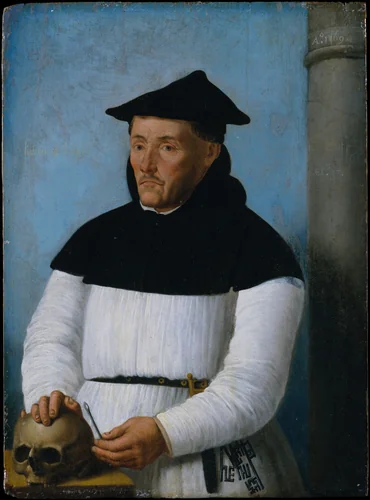
The known oeuvre covers both secular and religious subjects. Notable examples of portraiture include Portrait of a Man in a Chaperon and the historical likeness Portrait of a Noblewoman, Probably Isabella of Portugal (1397–1472), alongside the generic but characteristic study Portrait of a Man. Religious iconography is represented by panels such as Virgin and Child and the multi-figure composition Saint Donatian; Saint Victor Presenting a Donor.
These important early works provide crucial insight into the artistic standards of 15th-century Europe. As original artifacts age, reproductions become increasingly important; many of these historical images are now in the public domain. Today, high-quality prints of Netherlandish Painter paintings ensure that these early European masterworks remain accessible for study and appreciation.