Netherlandish 15th Century
The designation Netherlandish 15th Century refers to an anonymous master or workshop active in the Low Countries during the period spanning approximately 1400 to 1470. The known surviving body of work attributed to this designation, particularly focusing on religious subjects, consists primarily of prints, totaling twelve representations in museum collections, alongside two documented works of decorative arts and one complete volume.
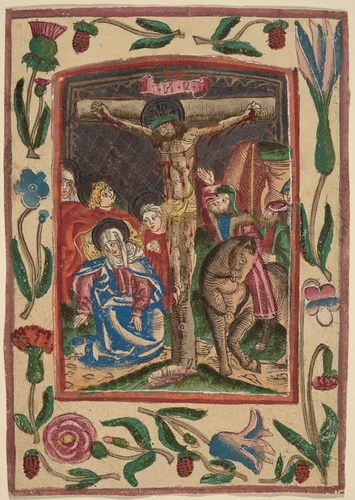
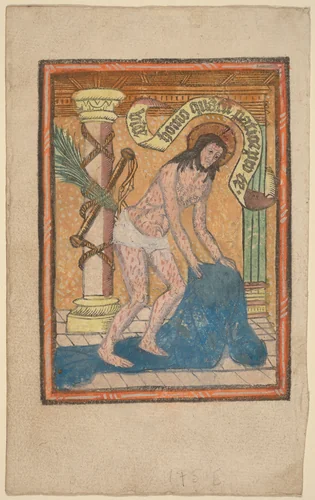
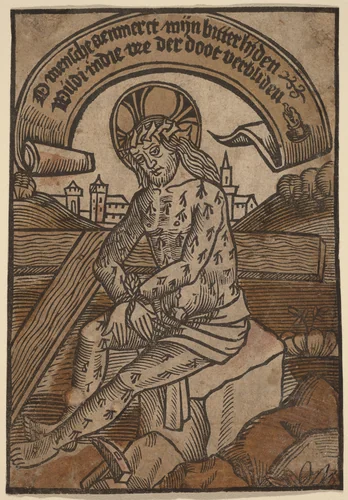
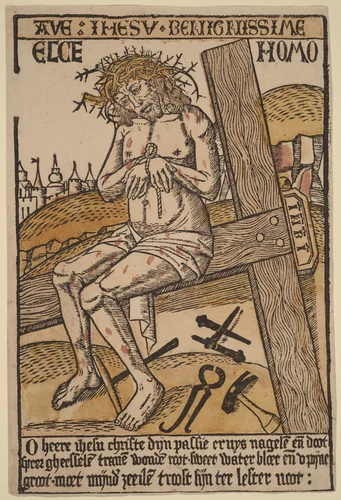
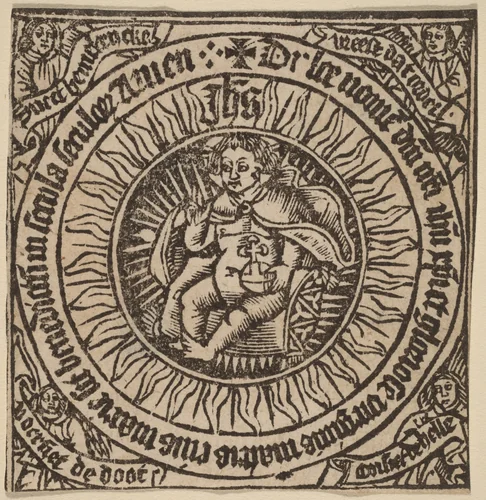
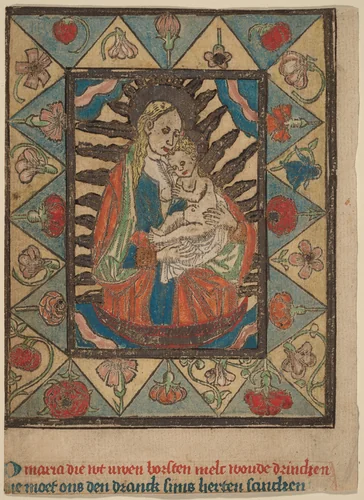
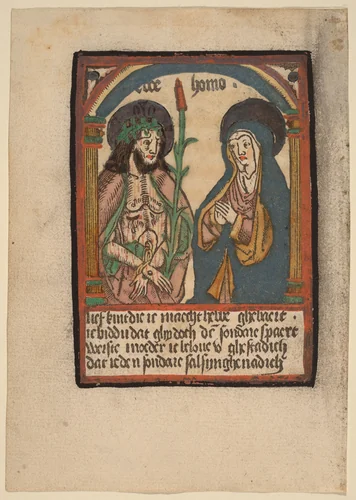
The technical precision and devotional focus evident in the output align with the artistic priorities of the Early Netherlandish school. Key works represented in collections include the illustrated manuscript Biblia Pauperum (Pauper's Bible). Individual subjects represented in the database emphasize the central figures of Christian iconography, such as Christ as the Man of Sorrows, Madonna and Child, and Saint John, alongside narrative scenes like The Betrayal. These compositions are typical examples of Netherlandish 15th Century prints intended for religious instruction and private devotion.
Works attributed to the Netherlandish 15th Century are preserved in major institutions, with several examples held in the esteemed collections of the National Gallery of Art. The rarity of these early works underscores their historical importance. As many of these images are now considered public domain, they allow for continued scholarly study. High-quality prints derived from these historical pieces ensure the accessibility of this vital early printmaking tradition.