Neroccio de' Landi
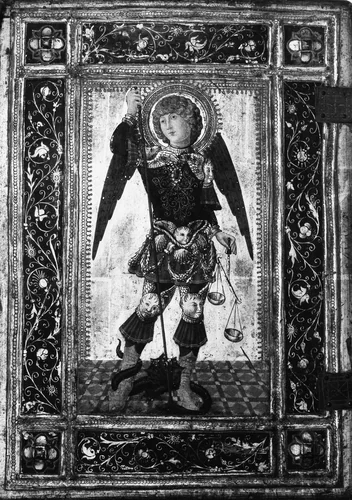
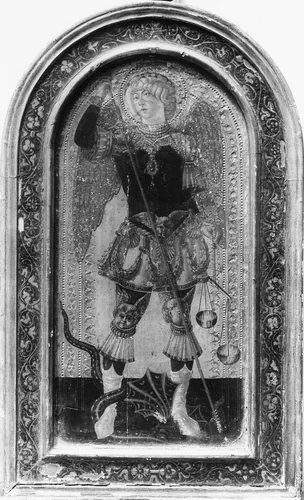
Neroccio di Bartolomeo de' Landi (1447–1500) was an essential figure in the final phase of the Sienese Early Renaissance, or Quattrocento. Active as both a painter and a sculptor, Neroccio upheld the refined spiritual and aesthetic traditions unique to Siena, while subtly engaging with the technical advancements emerging from Florentine artistic centers. His production is characterized by an ethereal grace and a highly detailed, meticulous technique, traits that secured his standing among the city's artistic elite in the latter half of the 15th century.
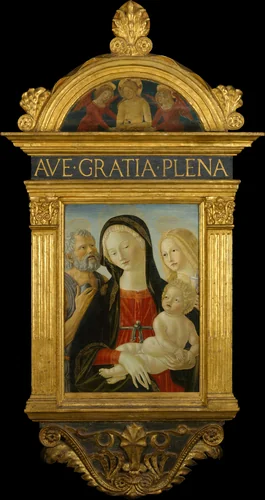
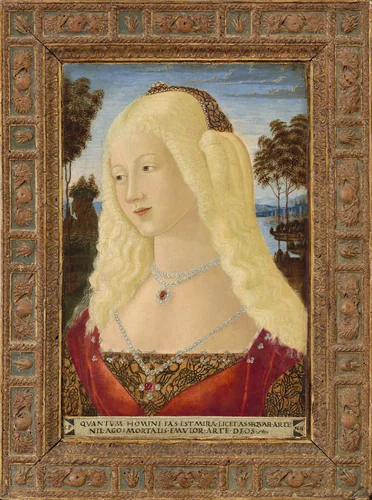
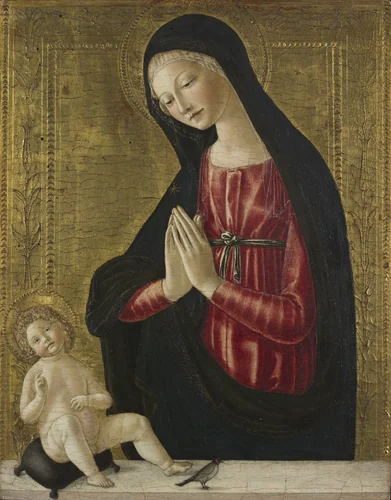
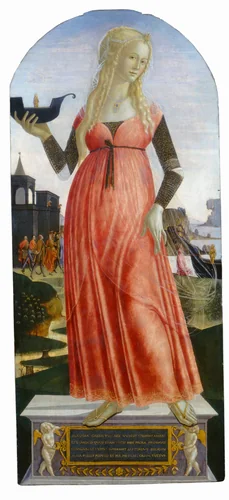
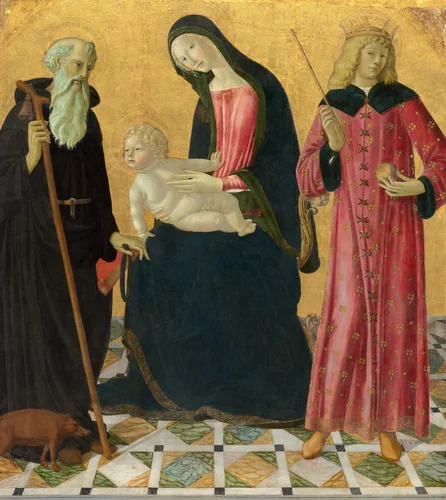
Neroccio’s signature style features figures rendered with exceptional delicacy, often elongated and defined by flowing linear contours. His painted Madonnas and saints possess a quiet, contained emotional life, exhibiting a sophisticated synthesis of spiritual reverence and Renaissance naturalism. Unlike contemporaries who favored dramatic gesture or robust physique, Neroccio specialized in psychological refinement. This is particularly evident in his secular works, such as the famous Portrait of a Lady, which moves beyond traditional profile depiction to offer a subject of arresting depth. It is this restrained elegance, manifesting sometimes as a slight, almost melancholic reserve in the sitter’s gaze, that gives Neroccio de' Landi paintings their enduring power.
While his output was relatively focused, his work achieved significant influence, positioning him as a transitional master bridging the high tradition of Sienese painting with the modern era. Today, his select body of work is highly valued for its technical perfection and spiritual intensity. Key examples of his work, including the Virgin and Child with a Goldfinch, are housed in prestigious international collections such as the Metropolitan Museum of Art and the National Gallery of Art, attesting to their museum-quality significance. Thanks to widespread digitization efforts, enthusiasts and researchers are increasingly able to access high-quality prints of these masterworks, with much of the art historical material available in the public domain, ensuring the study of Neroccio’s legacy continues well into the future.
Source: Wikipedia · CC BY-SA 4.0