Nepal
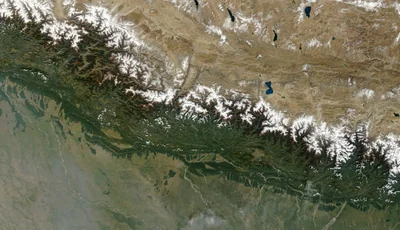
The artistic production attributed to the geographical entity of Nepal represents a crucial nexus point in Himalayan cultural history, flourishing particularly between the 12th and 17th centuries. Geographically defined by the majestic Himalayas and the fertile Indo-Gangetic Plain, Nepal acted as a vital artistic conduit, synthesizing the visual traditions of northern India and the Tibetan plateau. This strategic position, nestled between the Tibet Autonomous Region of China to the north and India to the south, east, and west, facilitated a complex exchange of iconographic and stylistic conventions centered primarily around Kathmandu, the nation’s capital and largest city.
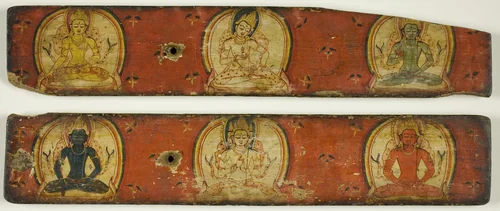
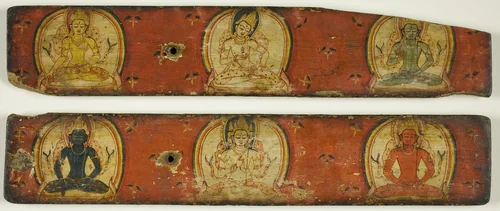
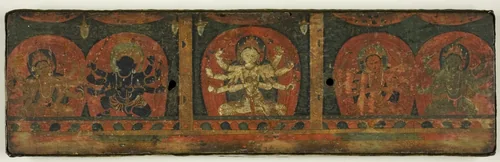
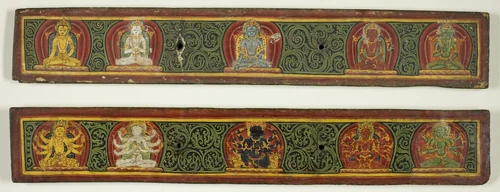
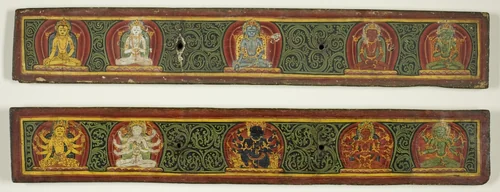
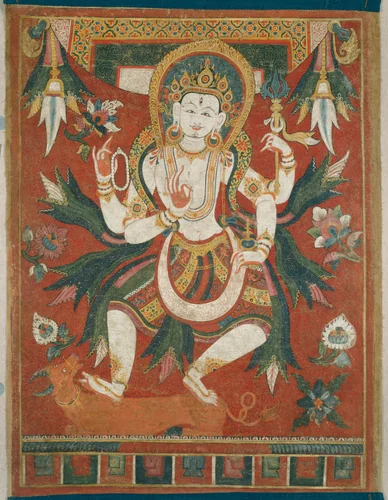
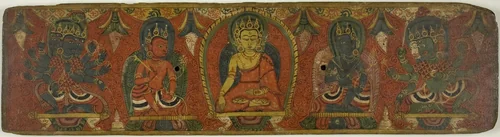
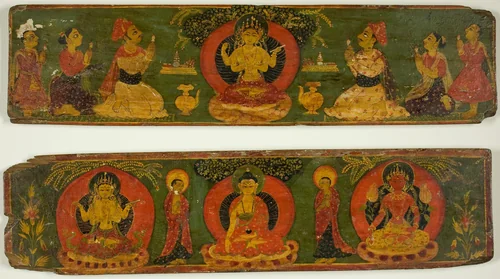
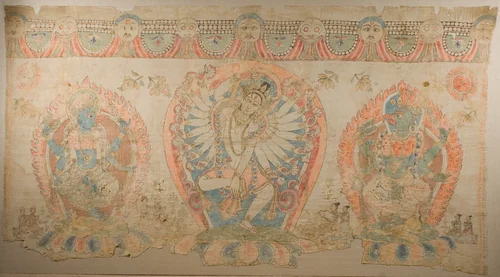
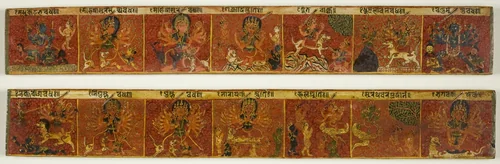
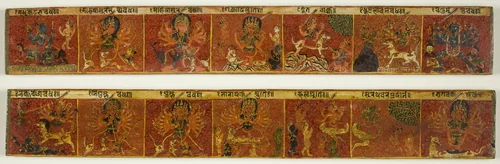
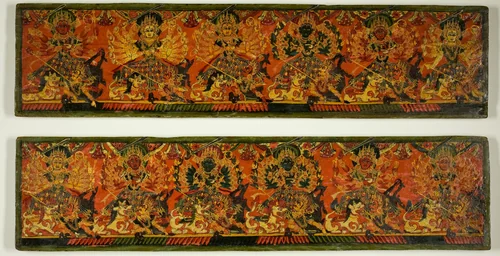
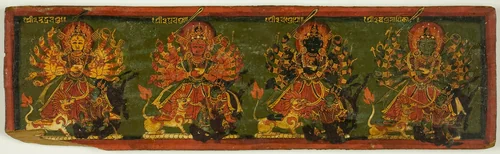
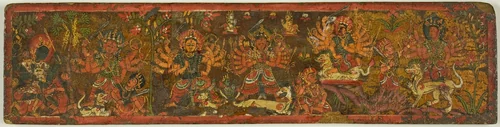
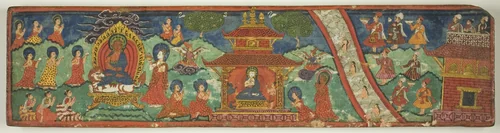
The legacy from this active period (1101-1675) is dominated by detailed devotional objects, primarily paubha paintings and exquisitely illuminated manuscript covers. Works such as the Manuscript Cover from the Five Protectors (Pancharaksha) and the Manuscript Cover with Six Seated Buddhas with Various Hand Gestures (Mudras) demonstrate a mastery of intricate iconography. These high-quality prints and original Nepal paintings often utilize vibrant mineral pigments and gold leaf, conveying complex cosmological narratives central to Vajrayana Buddhism. The artists, largely centered within the Newar communities, maintained a distinct, elegant style characterized by powerful linearity, precise detailing, and a dynamic use of color that often influenced art across the border regions.
Nepal’s status as a multi-ethnic, multi-lingual, and multi-cultural state allowed for a remarkably fluid exchange of stylistic forms, resulting in a rich visual language recognized globally for its craftsmanship. It is perhaps one of history's great geographical ironies that a landlocked nation perched among eight of the world’s ten highest mountains, including Mount Everest, managed to be such a prolific and influential cultural gateway. Today, pieces like One of a Pair of Manuscript Covers of the Five Transcendent Buddhas, now housed in major collections such as the Art Institute of Chicago, offer scholars and enthusiasts deep insight into the region's sophisticated religious and artistic history, often accessible for study through the public domain.
Source: Wikipedia · CC BY-SA 4.0