Nazca Peru
The Nazca Peru refers to the influential pre-Columbian culture that flourished along the southern coast of Peru, active approximately between 100 BCE and 500 CE. Known for their intricate polychrome ceramics and highly sophisticated textile arts, the culture demonstrated advanced technical skill in weaving and fiber processing throughout this 600-year span.
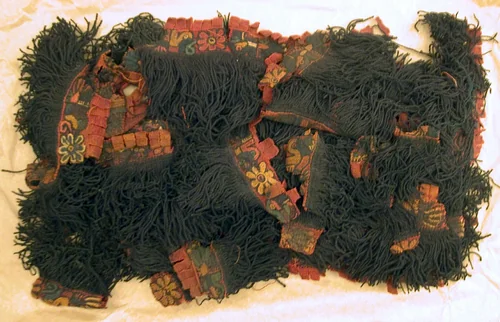
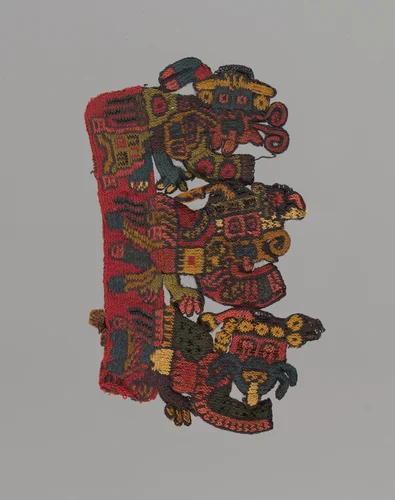
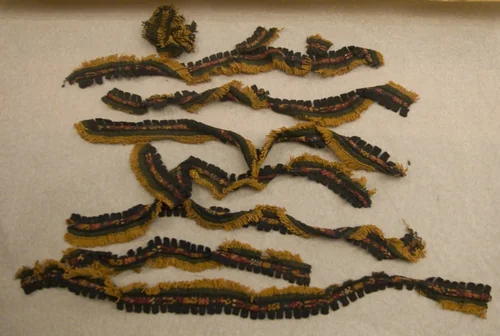
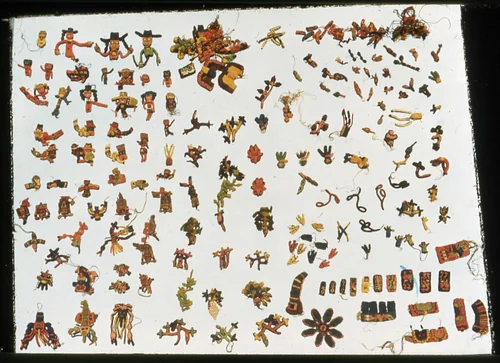
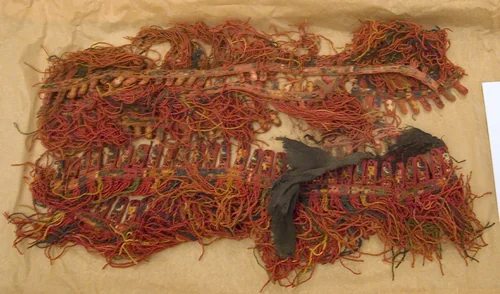
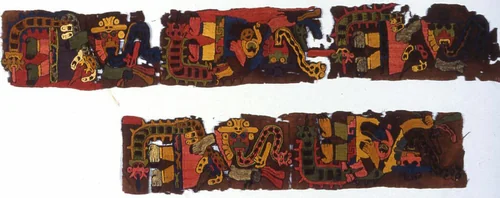
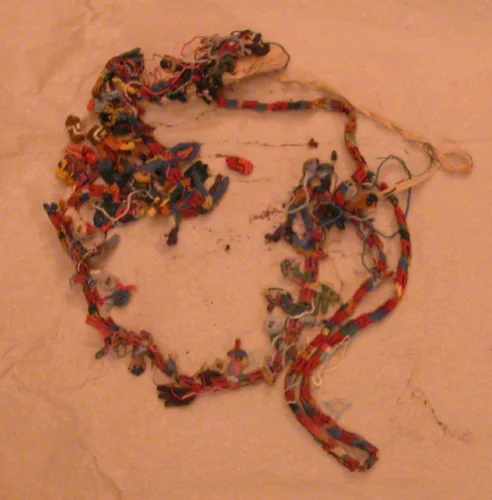
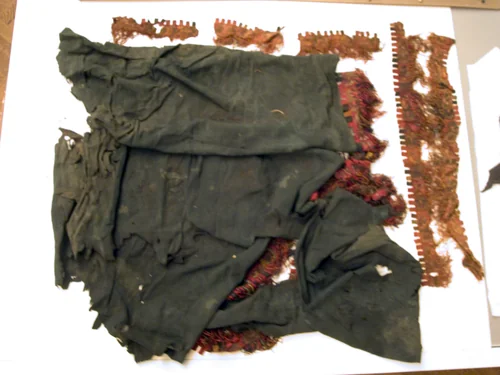
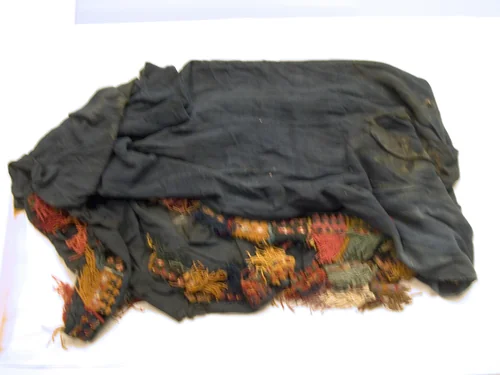
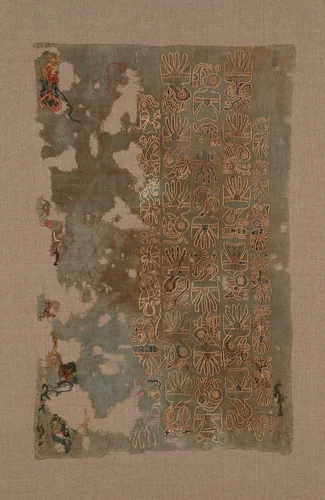
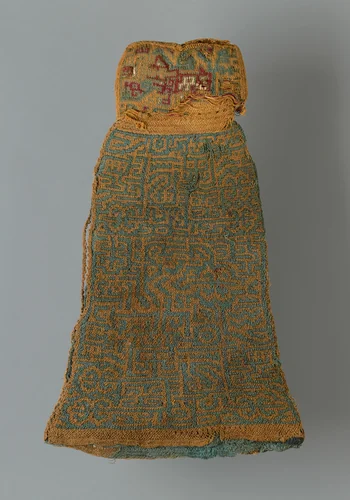
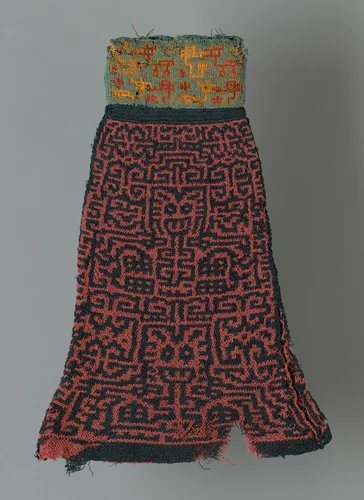
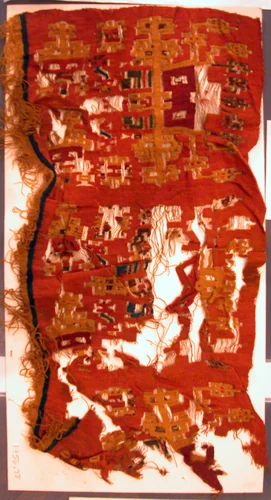
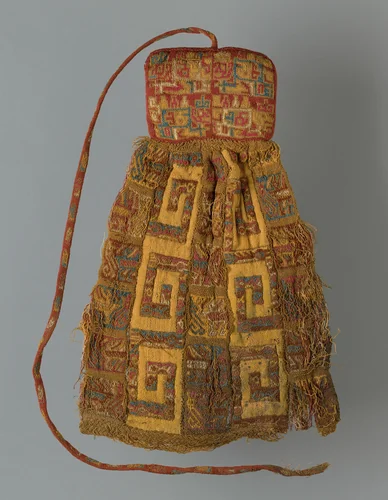
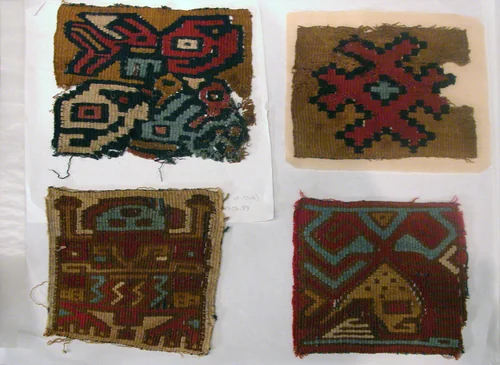
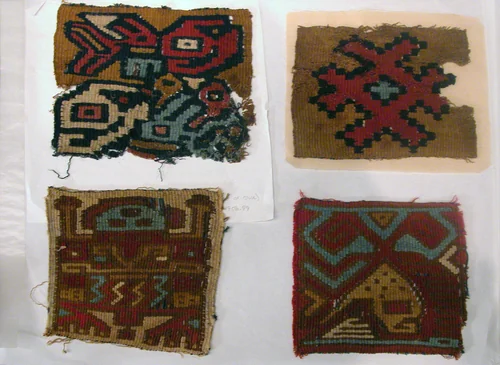
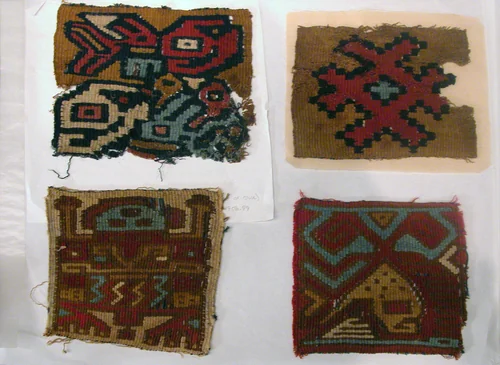
Their artistic legacy is largely preserved through surviving textile fragments. A documented collection of fifteen textiles attributed to the Nazca Peru culture is represented in major museum collections, establishing the artifacts’ historical and museum-quality significance. These works, often classified generically as Fragment (Border) or Fragments, showcase the distinctive design vocabulary and vibrant color palettes achieved through natural dyes.
The textiles are preserved in institutions such as the Art Institute of Chicago, where they serve as primary examples of Andean artistry. Today, documentation related to these ancient pieces, including images of Nazca Peru prints and preserved fabrics, is frequently made available for scholarly research through public domain initiatives, ensuring continued access to this important historical record.