Nathaniel Rogers
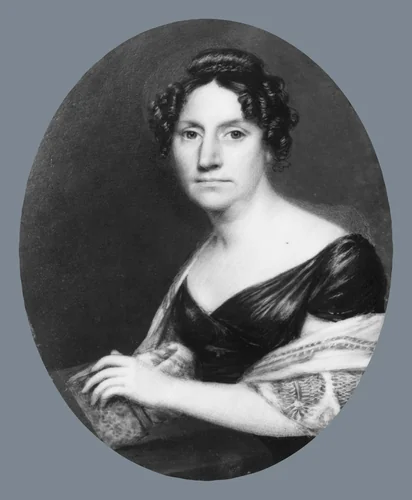
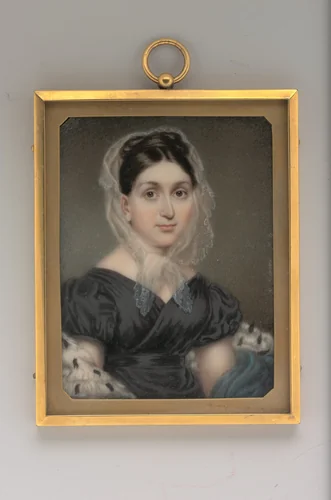
Nathaniel Rogers (1787-1844) established himself as a highly capable American portrait painter during the early Republic, a period characterized by burgeoning artistic ambition in the newly formed nation. Though his documented professional activity spans a relatively concentrated period, roughly 1810 to 1825, his work secured him a lasting place in historical collections. His refined draftsmanship is affirmed by the inclusion of Nathaniel Rogers paintings within institutions such as the Metropolitan Museum of Art and the Cleveland Museum of Art.
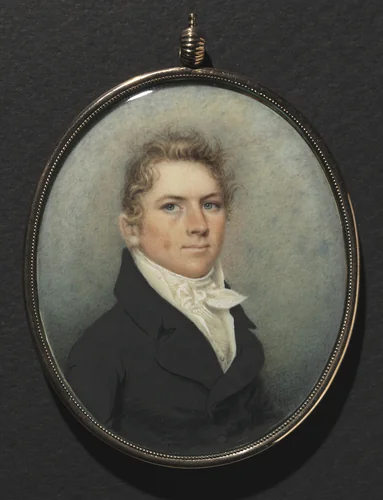
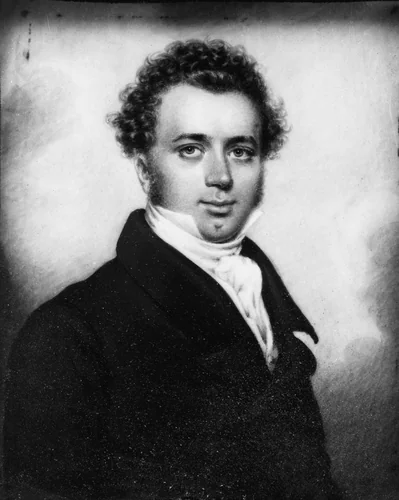
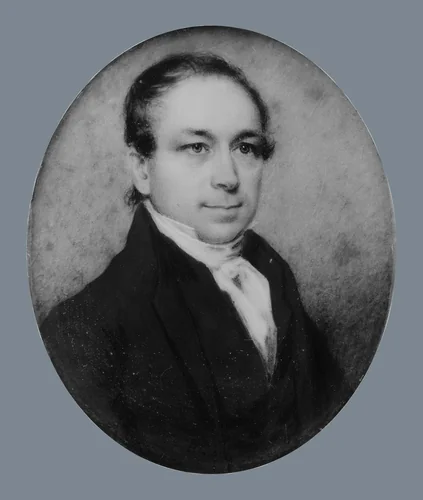
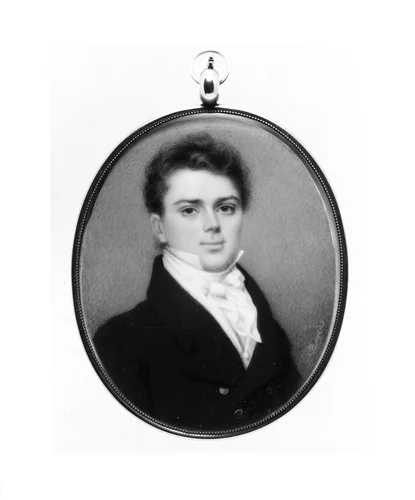
Rogers specialized almost exclusively in portraiture, capturing the likenesses of New York’s elite and emerging merchant class. Surviving pieces listed in major collections include the formal Portrait of a Man and the associated Portrait of a Lady, alongside specific commissions like Humphry Howland and Jean Pierre Barre. These works demonstrate a meticulous attention to detail typical of the period’s preference for restrained psychological realism. Rogers employed a sober yet effective color palette, favoring the definition of clothing and physiognomy over elaborate background detail, placing the full weight of the composition on the sitter’s character.
It is perhaps a minor historical irony that, despite the clear quality of his contribution to American visual history and the distinction of his sitters, Rogers shares his name with an unusually large roster of contemporaries, including a famous abolitionist and a foundational New England clergyman. This fact occasionally challenges researchers tracking the specific output of this particular painter.
The enduring appeal of Rogers’ technique ensures that surviving works retain their museum-quality designation. Unlike the grand historical narratives favored by some of his peers, Rogers’ legacy rests on the quiet dignity of individual representation, offering viewers an intimate and authentic glimpse into the social fabric of early nineteenth-century American society. Due to the age of the original canvases, much of his documentation is now considered public domain. This accessibility allows researchers and enthusiasts worldwide to acquire high-quality prints or downloadable artwork for study, ensuring that the legacy of Nathaniel Rogers prints and paintings remains vital and widely accessible well into the twenty-first century.