Nathaniel Hurd
Nathaniel Hurd holds a foundational place in the development of American graphic arts, recognized widely as the first professional engraver native to the colonies. Active in Boston during the mid-eighteenth century, Hurd simultaneously practiced the established craft of silversmithing while adapting his technical skill to the emerging demands of copperplate printing. His professional output, documented across at least sixteen years (c. 1749-1765), established him as a cornerstone figure in the visual culture of pre-Revolutionary America.
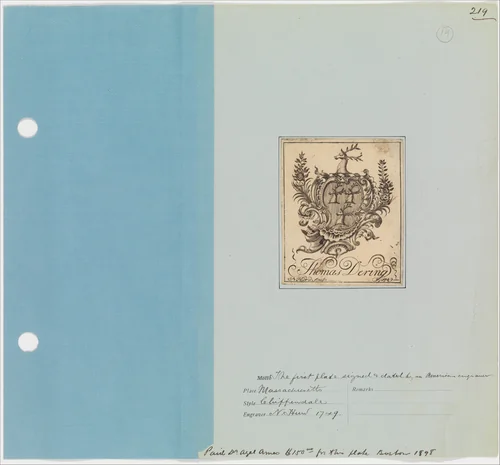
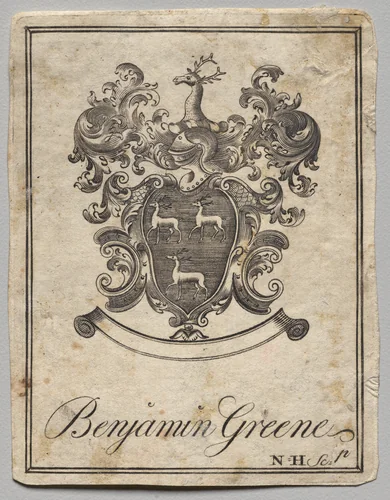
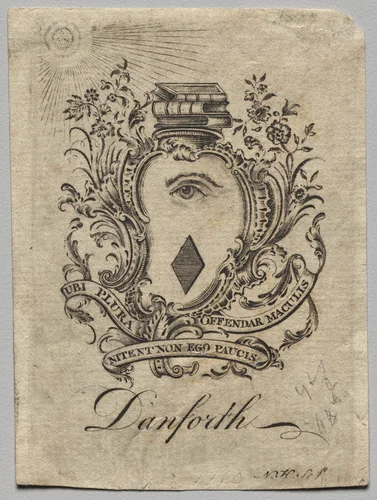
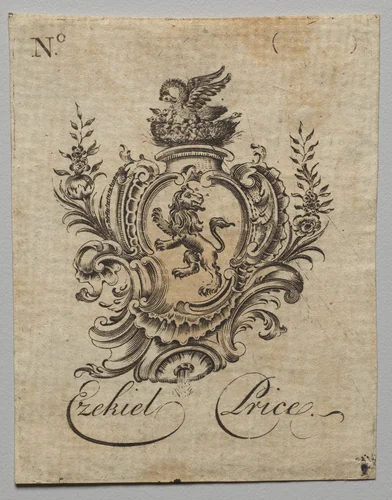
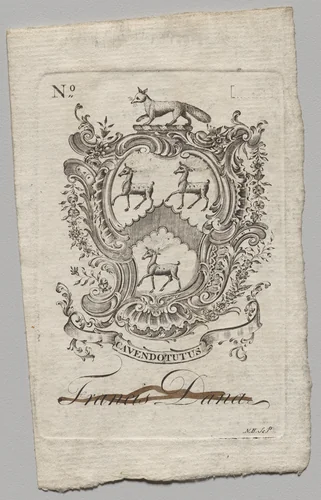
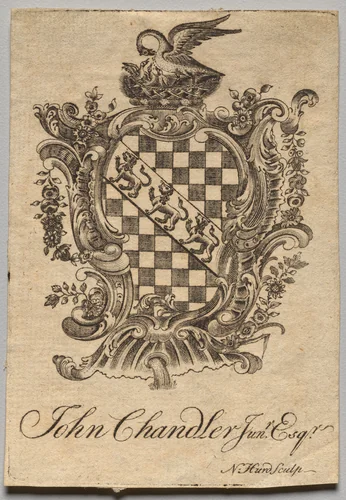
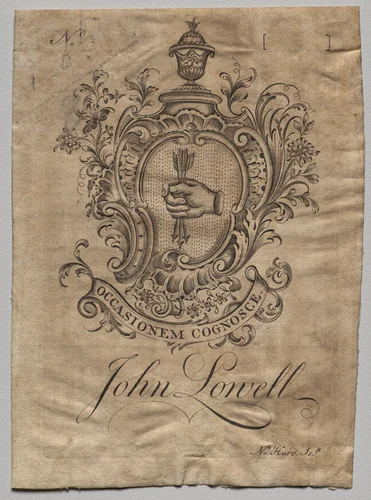
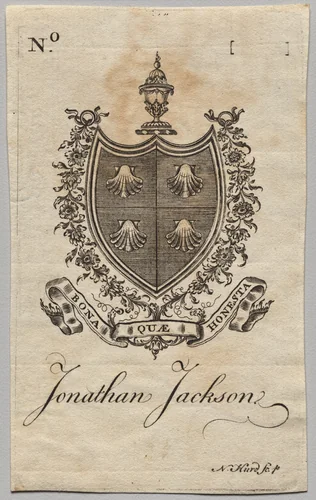
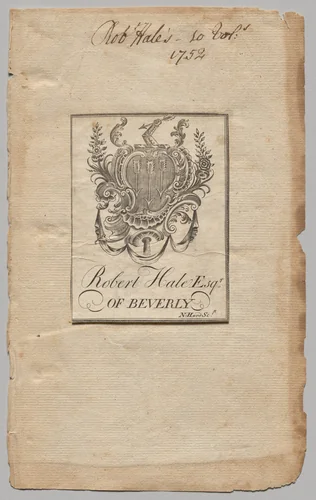
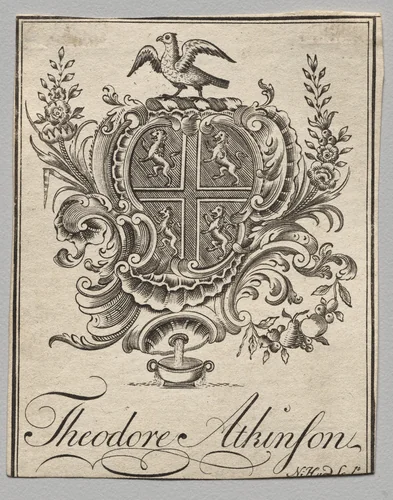
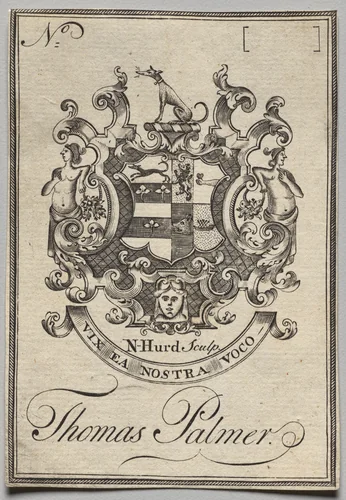
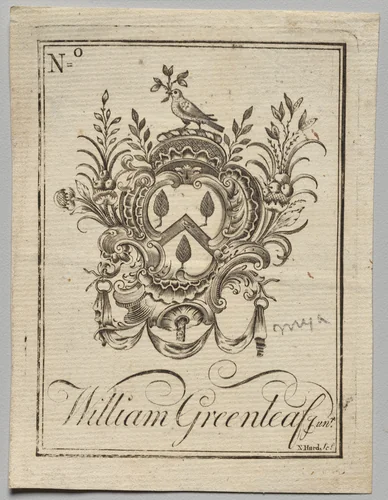
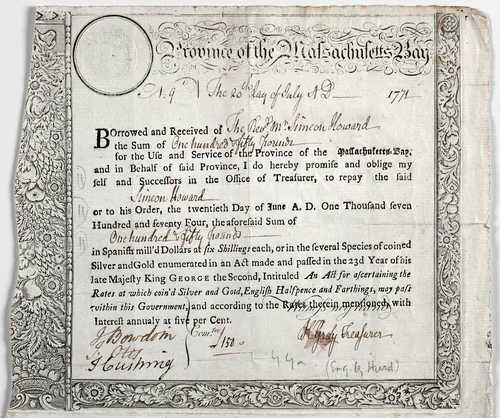
Hurd specialized in intaglio engraving, producing necessary, yet often highly personalized, items for Boston's academic and mercantile elite. Though only fifteen prints are currently cataloged, the surviving works offer a comprehensive view of the technical requirements of a colonial graphic artist. These commissions included heraldic devices, seals, paper currency, and business cards, requiring fluency across copperplate and die engraving. His surviving portfolio includes personalized ownership marks, such as the Bookplate: Coat of Arms with Benjamin Greene inscribed and the precise heraldry of the Bookplate of Thomas Dering.
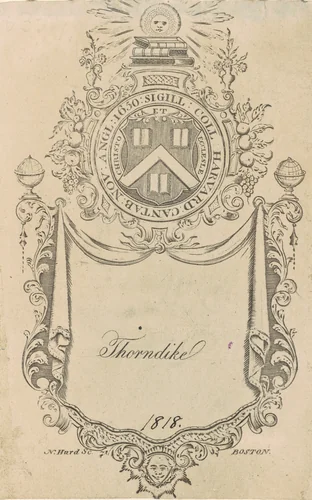
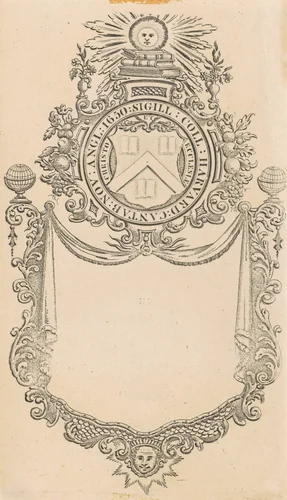
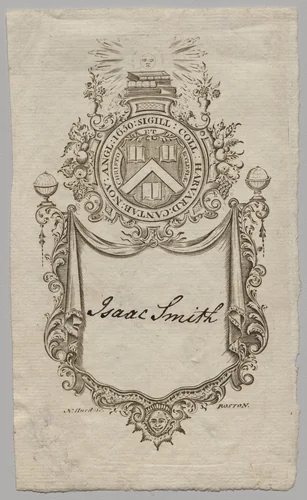
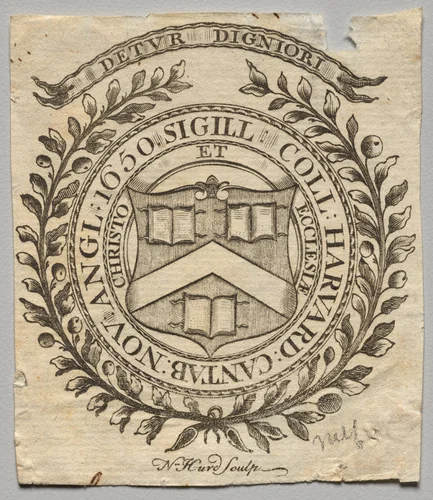
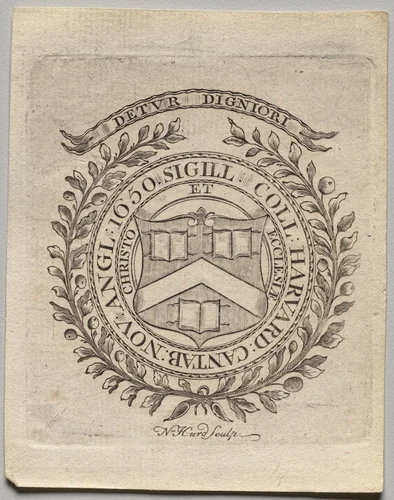
Hurd’s commissions were integral to maintaining the administrative and social structures of the time. His repeated reliance by institutions is demonstrated by the two distinct iterations of the Harvard College Bookplate with the Christo et Ecclesiæ Seal, illustrating his mastery of institutional identity and reliability in colonial branding. It is a subtle observation, given the current ease of digital reproduction and the concept of the public domain, that this pivotal American artist's legacy is defined chiefly by small, protective ownership markers meant to secure the physical identity of a valuable book.
The intrinsic quality and historical significance of Nathaniel Hurd prints ensure their permanent inclusion in major institutional holdings. His works are preserved and studied in depth at institutions including the Metropolitan Museum of Art, the National Gallery of Art, and the Cleveland Museum of Art. For scholars and enthusiasts today, the access to these surviving high-quality prints provides invaluable insight into the establishment of colonial American artistic production, confirming that this foundational engraver’s legacy remains tangible and accessible.
Source: Wikipedia · CC BY-SA 4.0