Nathaniel Currier
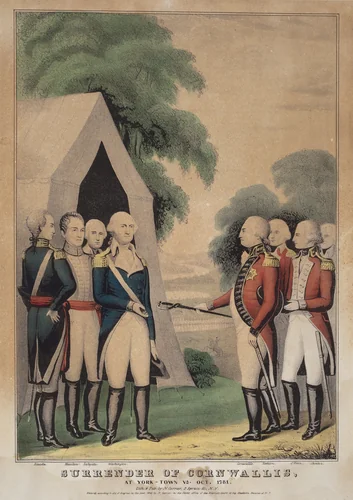
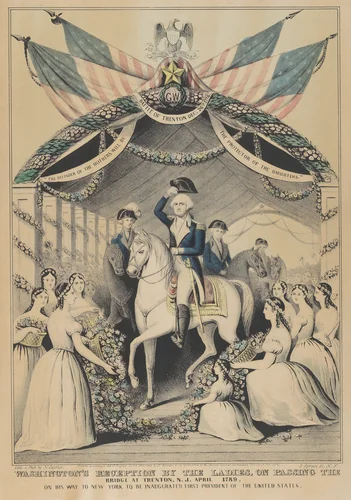
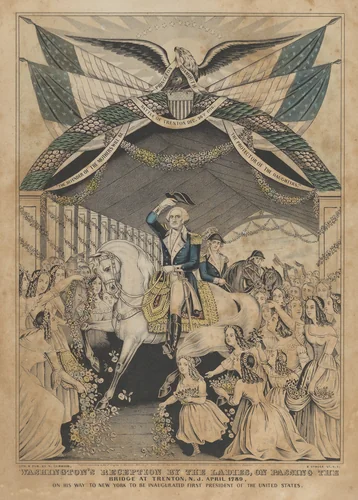
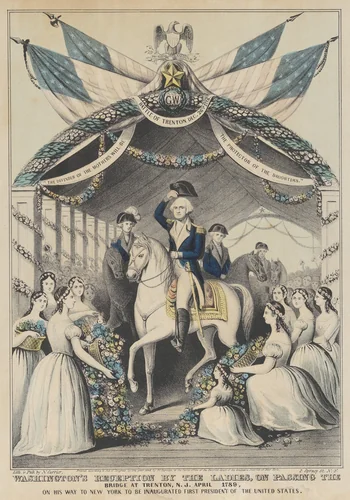
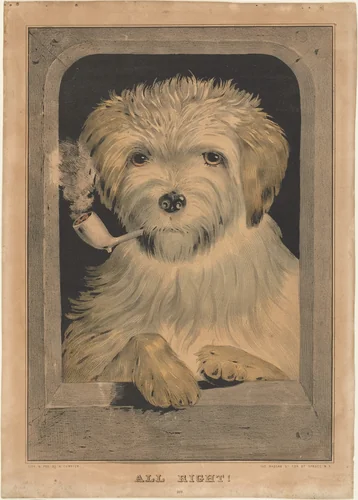
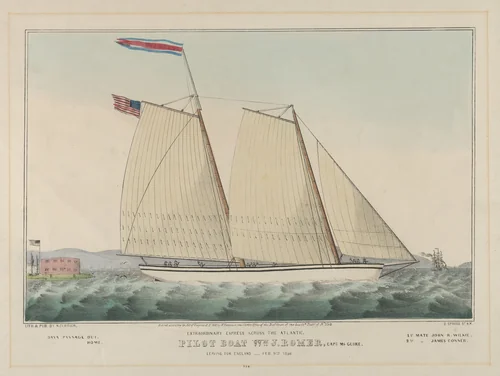
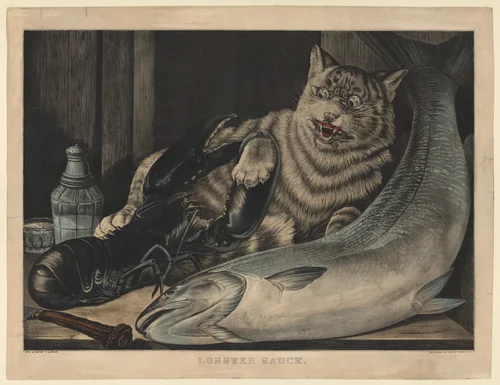
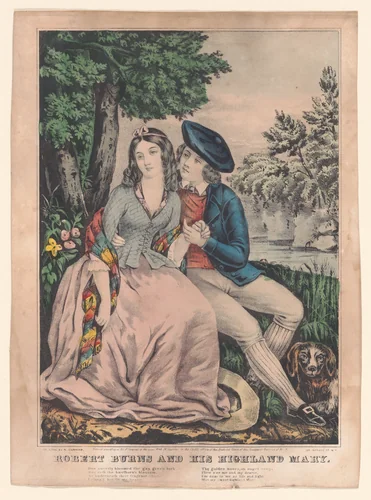
Nathaniel Currier stands as the seminal figure in the history of American popular printmaking. Active as a lithographer from 1813, he exhibited technical skill and commercial acumen that fundamentally altered how visual information was disseminated across the rapidly expanding United States in the mid-nineteenth century. Currier’s initial success in the printing business led to the pivotal partnership with James Ives, formalizing the company Currier & Ives. Under Currier’s technical direction, the firm transformed lithography from a complex, expensive medium into an industrialized process capable of mass-producing affordable, timely images.
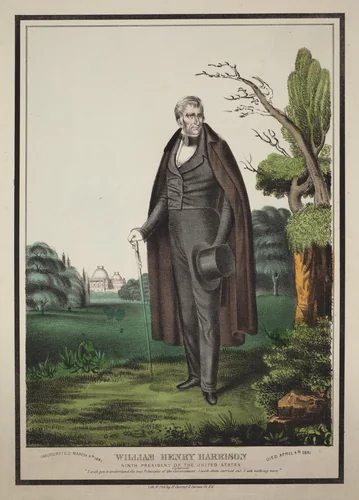
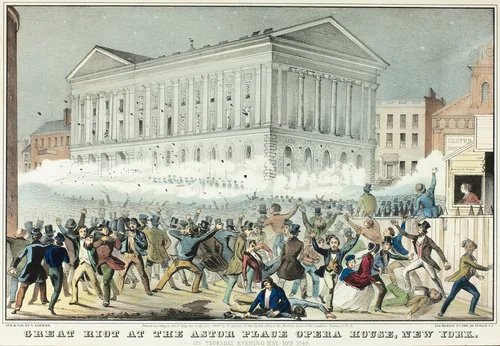
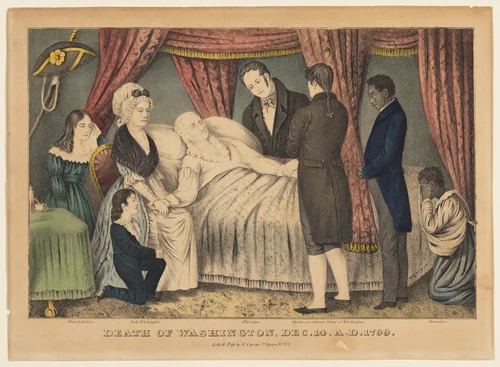
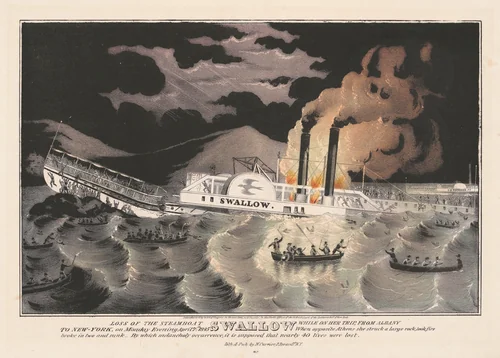
The partnership effectively created the era’s pictorial newspaper, documenting every facet of national life—from domestic sentimentality and technological novelty to immediate, often sensationalized, current events. Currier understood that the market demanded both high-minded history and accessible entertainment. His firm provided detailed historical records such as the commemorative Death of Washington, December 14, A.D. 1799, alongside political documentation like William Henry Harrison: Ninth President of the United States. Perhaps more representative of the firm’s pioneering approach to visual journalism was their dramatic rendering of breaking news, exemplified by Great Riot at the Astor Place.
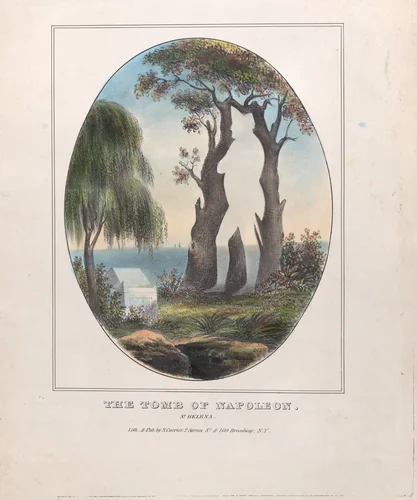
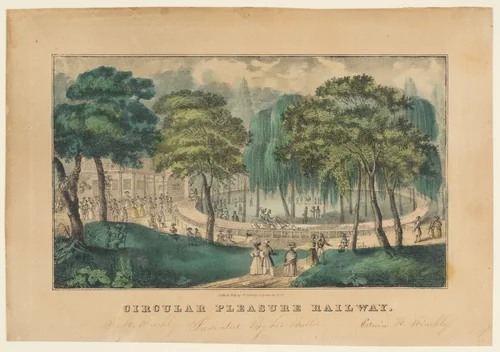
The catalogue often juxtaposed solemn tributes, such as The Tomb of Napoleon, with more lighthearted or speculative subjects, including the whimsical design for the Circular Pleasure Railway, highlighting Currier's sharp sense for the market’s fluctuating interests. This dedication to visual documentation made his prints essential fixtures in parlors, offices, and taverns across the nation.
Today, these historically significant Nathaniel Currier prints are viewed not merely as popular décor but as essential records of 19th-century American culture. Works from Currier’s active period are carefully preserved in prominent collections, including the Metropolitan Museum of Art and the National Gallery of Art. The accessibility he initially championed continues in the present day, with many of these historically important pieces now available as museum-quality, high-quality prints through public domain collections.