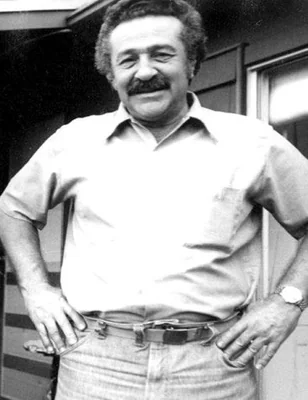
Nathan Oliveira
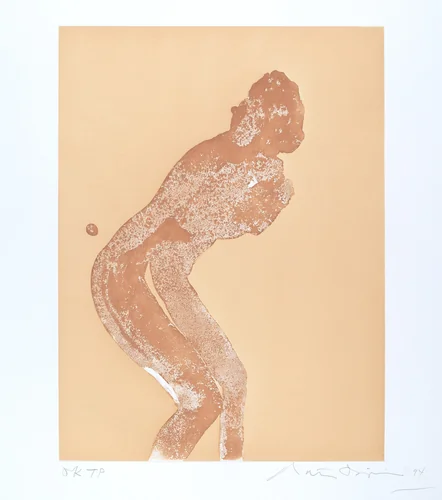
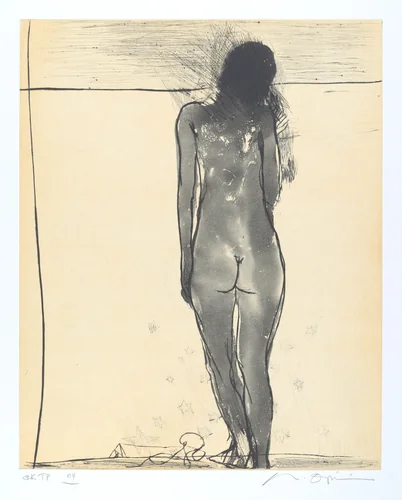
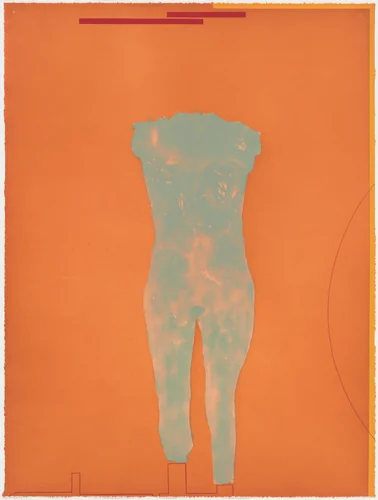
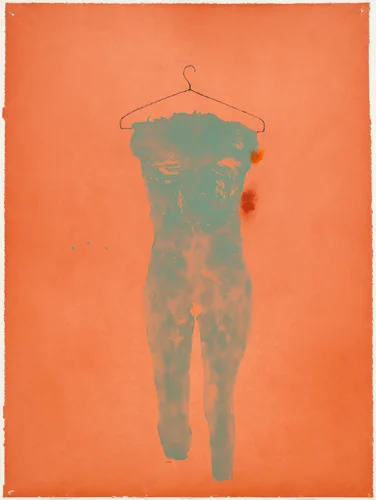
Nathan Oliveira (1928-1997) was a pivotal American artist, highly regarded for his contributions across painting, printmaking, and sculpture over a career spanning nearly five decades. Born in Oakland, California, to immigrant Portuguese parents, Oliveira established himself in the mid-twentieth century as a significant figurative practitioner. While often associated with the Bay Area Figurative Movement, his highly personalized style consistently resisted simple categorization, integrating expressive gesture with profound psychological depth.
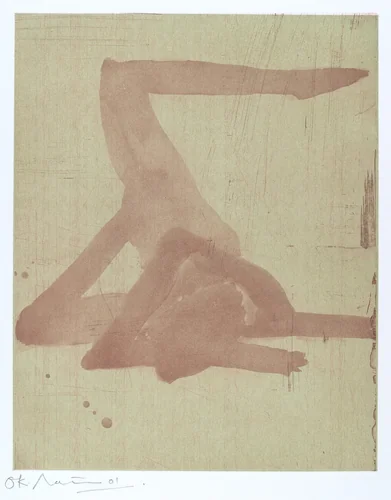
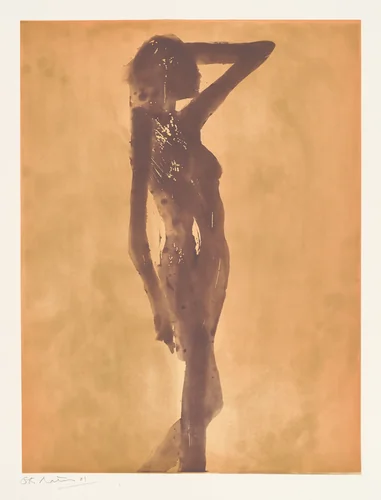
Oliveira’s canvases are characterized by their intense focus on the human form, often presenting solitary subjects or abstracted portraits, such as the haunting study Two Heads. His figures appear suspended in an atmosphere of ambiguous, painterly light, an effect achieved through layered washes of color that emphasize emotional weight over physical description. This commitment to expressionistic figuration granted his work a unique position in post-war American art, balancing the abstraction prevalent during the period with deeply human concerns.
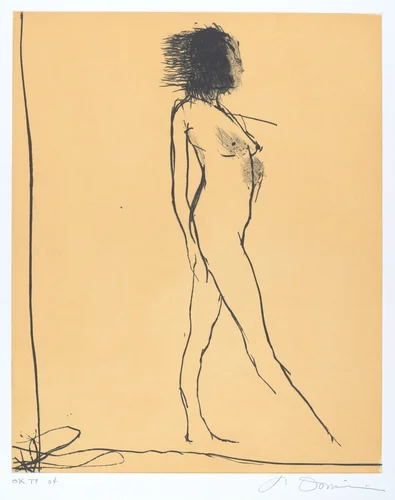
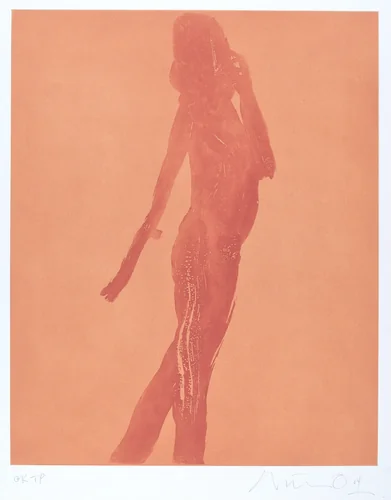
His artistic achievements led to a remarkably active career on the international stage. Since the late 1950s, Oliveira was the subject of nearly one hundred solo exhibitions and was included in hundreds of major group shows worldwide, underscoring his lasting institutional relevance. The National Gallery of Art is among the major collections housing his output. While celebrated for his Nathan Oliveira paintings, he demonstrated masterful command over print media. His graphic works, including lithographs and monotypes, explore a diverse range of subjects, from historical moments captured in the print November 22, 1963 to studies of iconic figures like Georgia O'Keeffe. Today, researchers and enthusiasts often find downloadable artwork and high-quality prints of his graphic output available through institutional archives.
Equally consequential was Oliveira’s commitment to education. He taught studio art for several decades in California, beginning in the early 1950s at the California College of Arts and Crafts in Oakland. After serving as a Visiting Artist at various universities, he settled into a long tenure as a Professor of Studio Art at Stanford University. This dedication suggests that Oliveira’s influence was not confined solely to gallery walls, but also actively shaped the discourse and practice of successive generations of West Coast artists.
Source: Wikipedia · CC BY-SA 4.0