Nancy Andrews
Nancy Andrews is recognized in the history of American photography for an intensely focused output spanning only four years. Active primarily between 1989 and 1993, her disciplined approach to social documentary resulted in a highly cohesive body of work, with approximately fifteen photographs entering the permanent collection of the National Gallery of Art, a significant institutional endorsement that underscores the power and formal quality of her limited output.
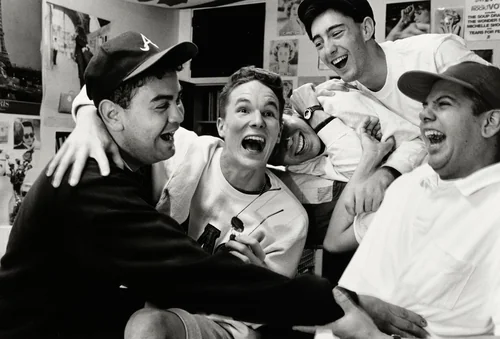
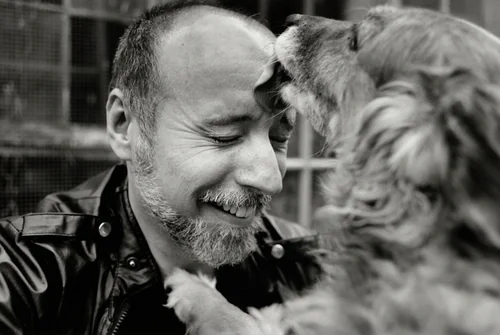
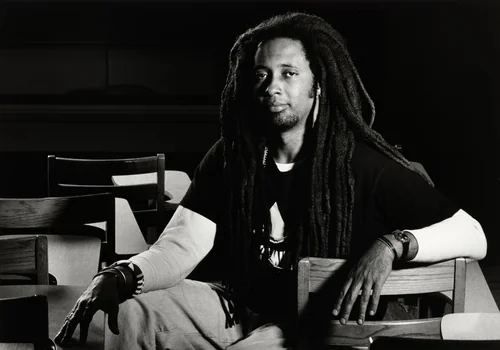
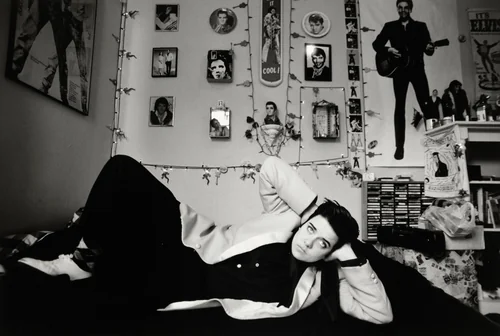
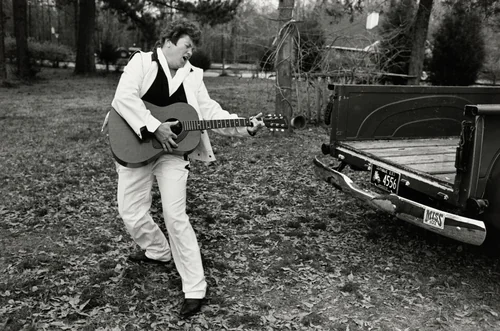
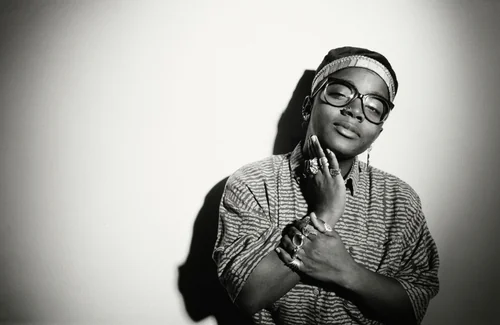
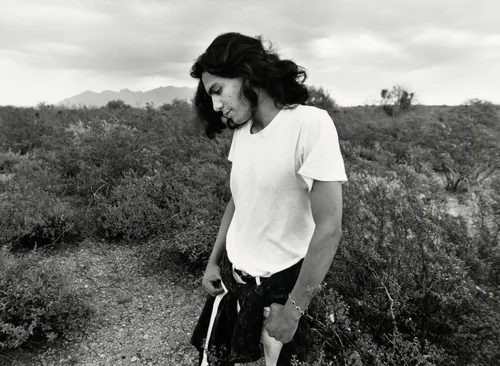
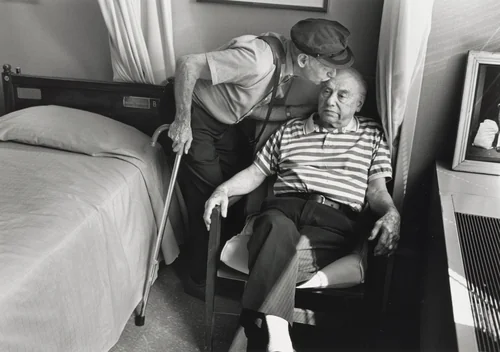
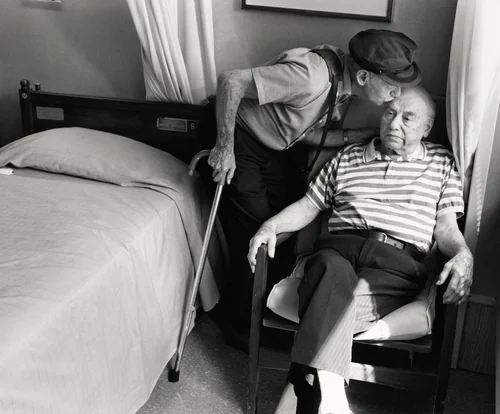
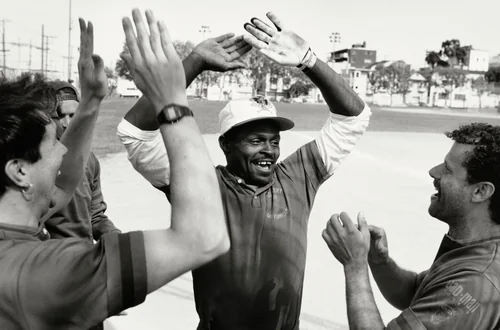
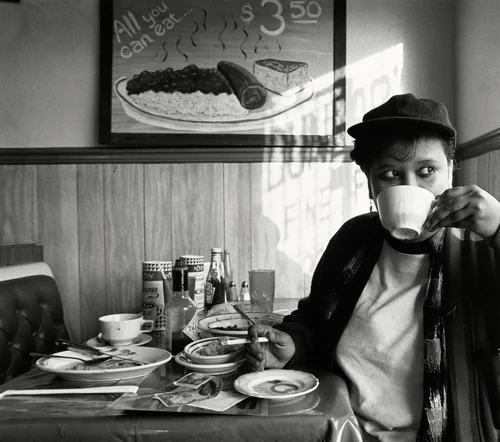
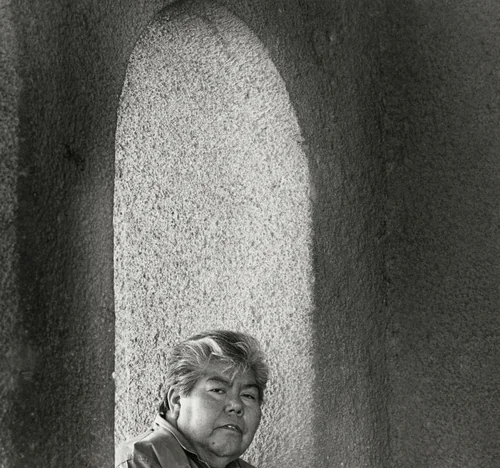
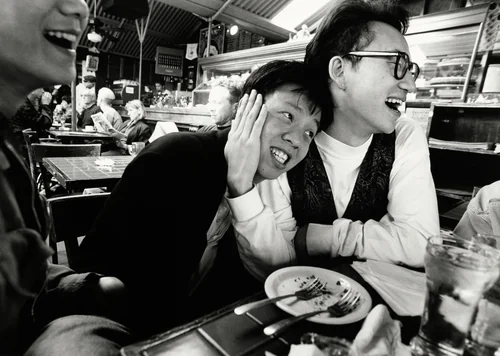
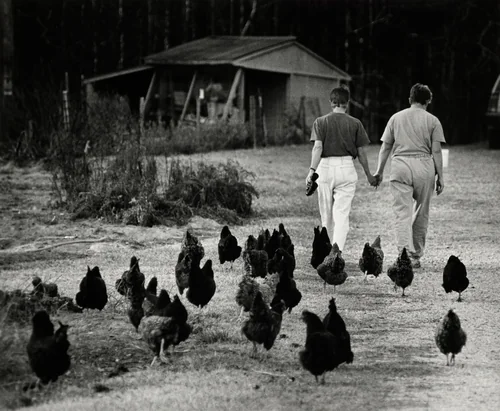
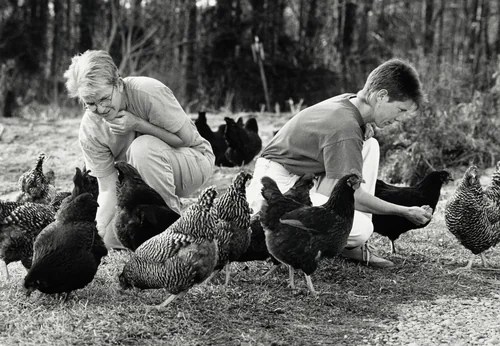
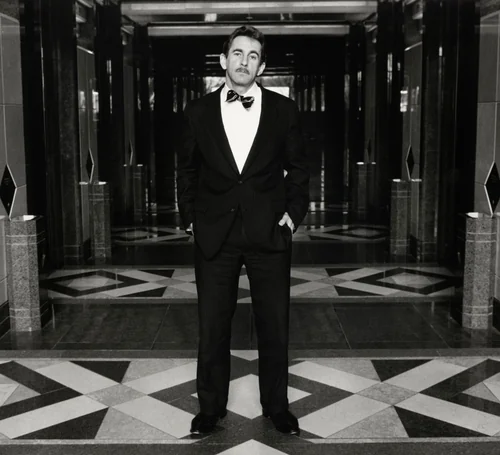
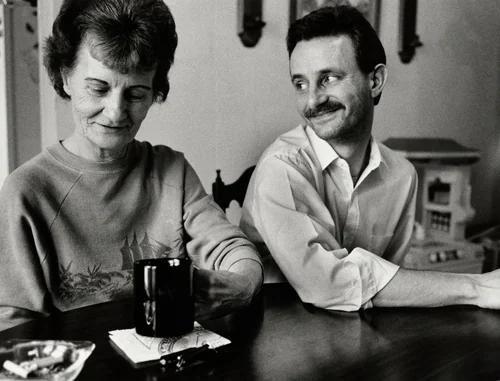
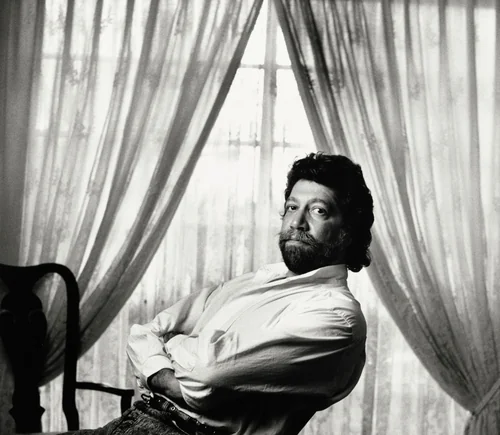
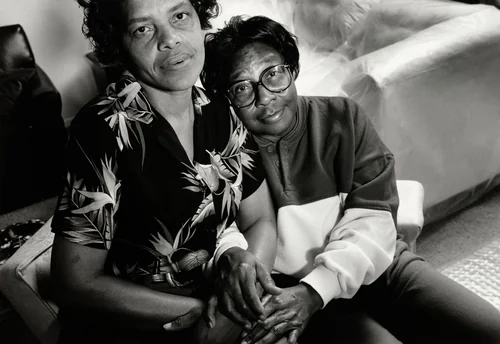
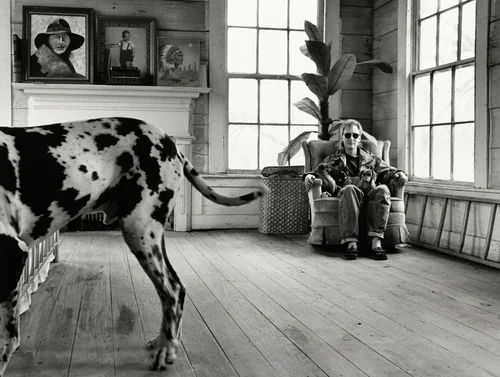
Andrews’s practice centered on straight photography, emphasizing direct observation and unvarnished realism. Unlike contemporaries who focused on sprawling photo-essays, Andrews often distilled her observations into singular, impactful portraits or small group studies, where the surrounding environment acts as an essential secondary character. Works such as Avery's Family and the tripartite portrait Lenora Trussell, Kathy Kigin, and Sam Trussell are characteristic of her style, capturing complex interpersonal relationships and individual identities with precise technical clarity. The method eschewed any form of darkroom theatrics in favor of traditional, high-contrast printing, ensuring the photographs met the rigorous standards for museum-quality display.
The subjects documented by Andrews were frequently individuals whose personal narratives intersected with broader societal concerns of the time. The portraits, including the stark images of Dale McCormick and Frank Kameny, are titled directly after the sitters, indicating a commitment to specificity and recognition, allowing the viewer to engage with the subjects not as generalized figures, but as singular people anchored in a moment of history.
Her ability to secure prominent institutional placement in such a brief career window is a quiet testament to the immediate recognized strength of the work; artistic significance, in this instance, was clearly not measured by volume. Though Nancy Andrews paintings do not exist, her photographs remain essential examples of late 20th-century realism. As photographic archives evolve, these crucial images are occasionally sought by researchers requiring high-quality prints. Eventually, these works will transition into the public domain, offering broader, royalty-free access to this important, succinct photographic record.