Nainsukh
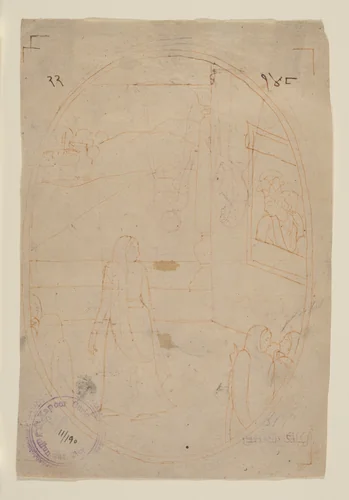
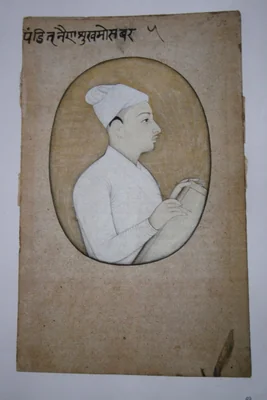
Nainsukh (active 1725-1785) is arguably the most brilliant and innovative Indian artist of the eighteenth century, a central figure in the history of Pahari painting. Emerging from a family of renowned artists in the Guler region, Nainsukh was the younger son of Pandit Seu and the brother of the painter Manaku. His work marked a definitive shift in court painting, moving away from stylized convention toward a profound engagement with observed reality. The sheer psychological depth and technical originality of his compositions earned him the epithet "one of the most original and brilliant of Indian painters."
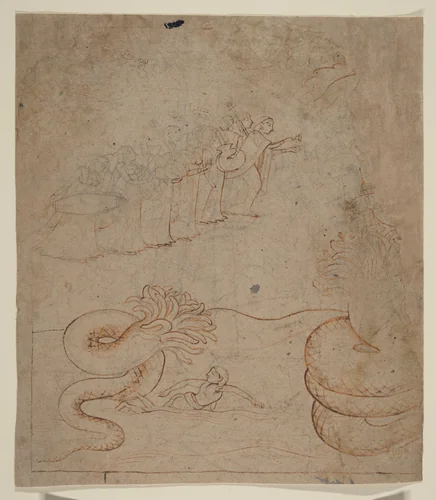
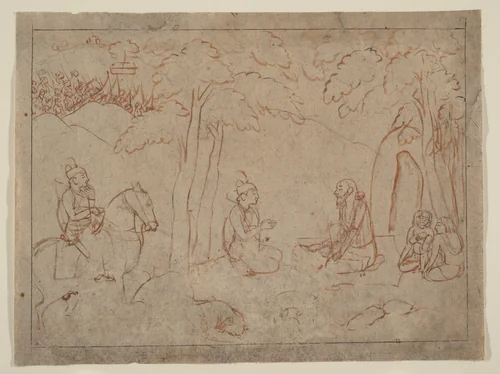
While belonging to the tradition of Pahari painting, Nainsukh innovated by developing a style rooted in meticulous observation, employing subtle chiaroscuro and atmospheric perspective rarely seen in North Indian art of the period. He demonstrated an almost anthropological interest in his sitters, treating individualized portraiture and the daily rituals of the court with serious dignity. This departure distinguished him from the more mythologically focused narratives of his peers, injecting a new sense of realism into the Guler school.
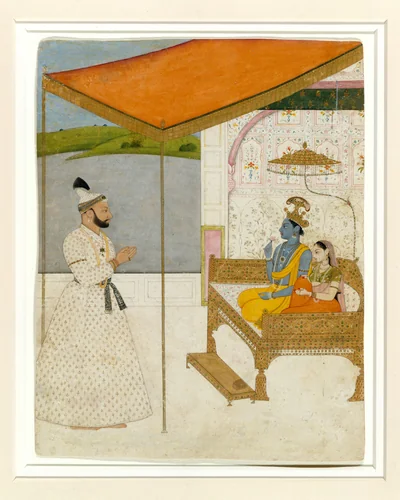
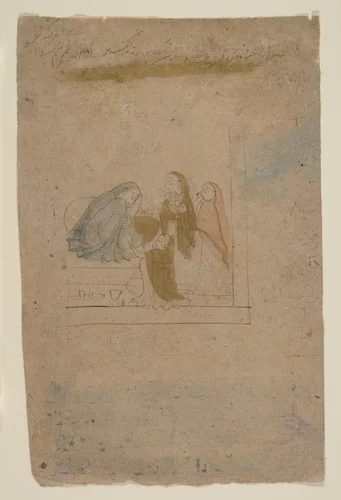
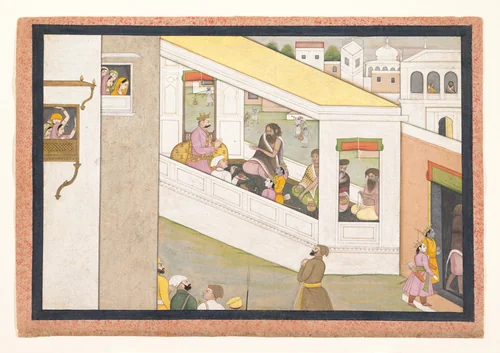
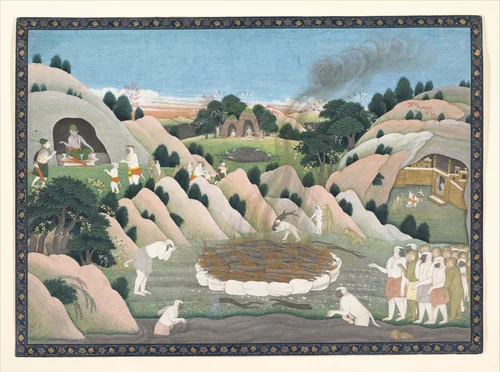
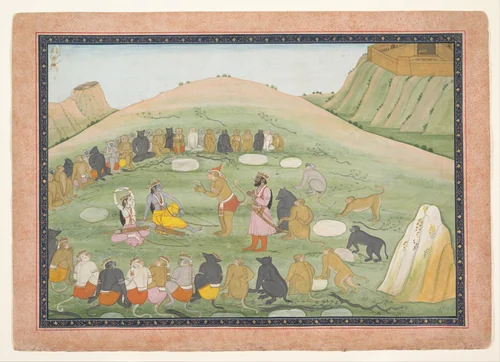
Though the number of confidently attributed Nainsukh paintings remains small—approximately 13 known works—their impact is substantial. These pieces reside in prestigious international institutions, including the Metropolitan Museum of Art and the Cleveland Museum of Art, testament to their museum-quality status. His compositions demonstrate an exceptional capacity for detail, whether capturing moments of intimate repose, such as Raja Balwant Singh’s Vision of Krishna and Radha, or depicting highly charged action.
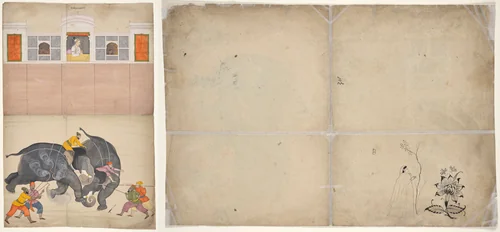
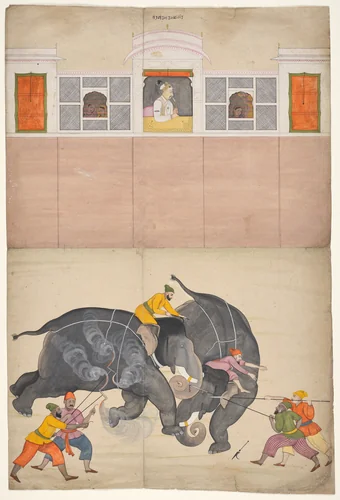
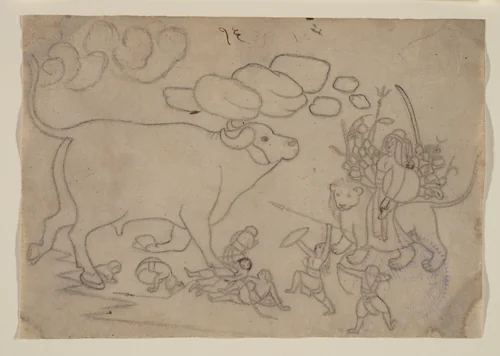
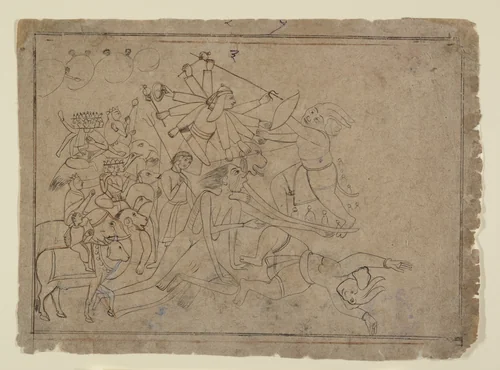
His skill in rendering dynamic movement is powerfully demonstrated in works like Two Elephants Fighting in a Courtyard Before Muhammad Shah, where the artist uses fine line and controlled color to convey force and chaos. Nainsukh’s legacy lies not only in his masterful technique but in his elevation of the mundane and the personal. His focus on the human element ensures that Nainsukh paintings continue to serve as critical documents of eighteenth-century court life. Today, scholars and enthusiasts benefit from the availability of high-quality prints, allowing detailed study of this pivotal artist’s oeuvre.
Source: Wikipedia · CC BY-SA 4.0