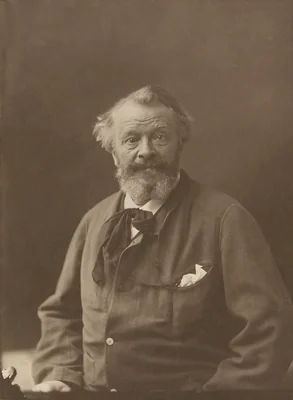
Nadar
Gaspard-Félix Tournachon, universally recognized by the pseudonym Nadar, was a compelling figure whose professional pursuits ranged widely across journalism, caricature, novel writing, and pioneering aeronautics. Nevertheless, his enduring contribution rests firmly on his revolutionary work in portrait photography during the mid-nineteenth century. Initially operating as a highly successful journalist and prolific caricaturist, Nadar developed a keen observational eye, crucial to capturing the psychological essence of his subjects when he transitioned to the camera lens.
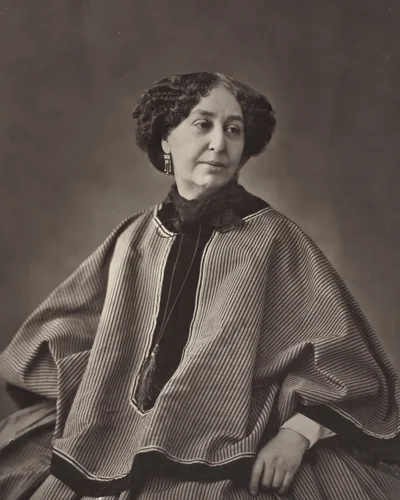
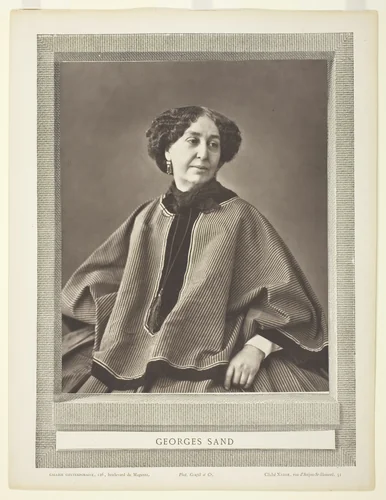
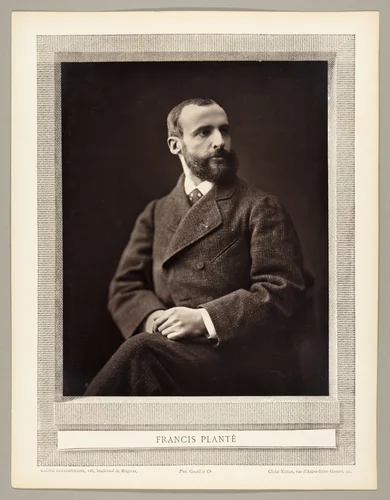
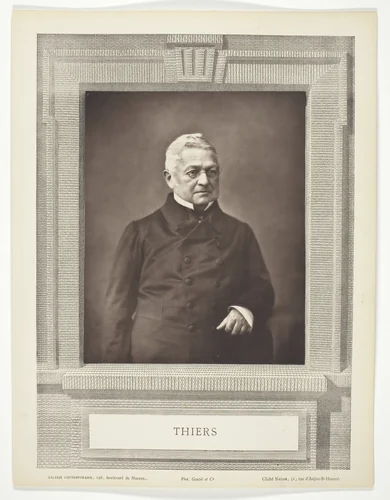
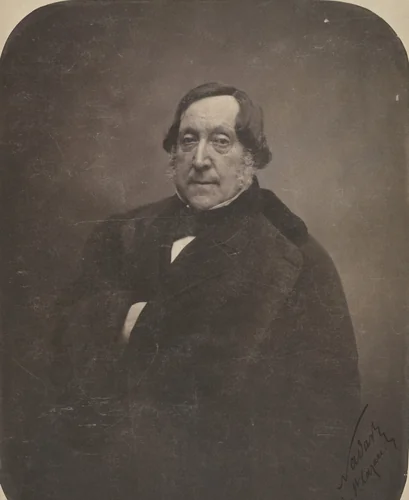
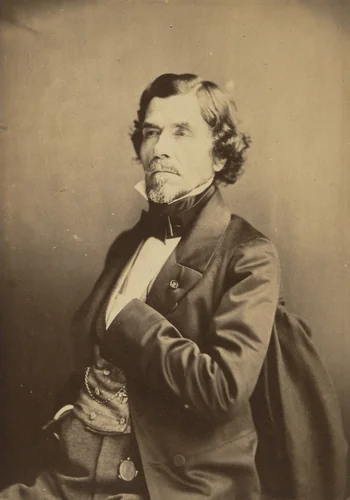
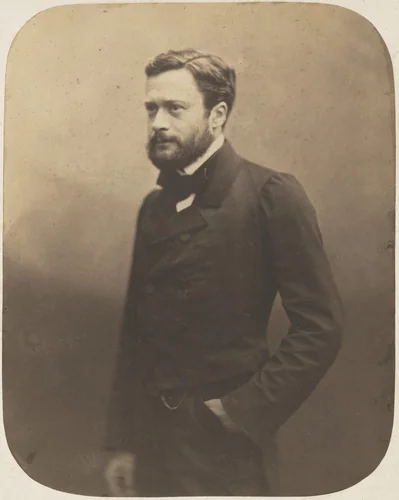
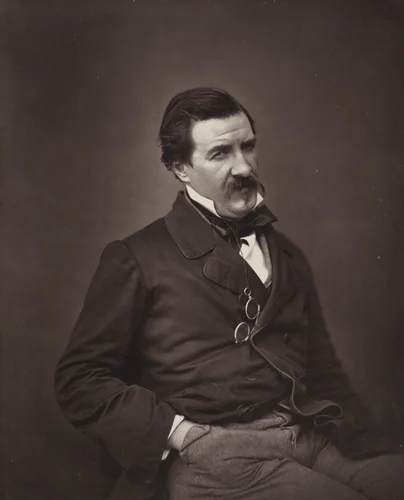
Operating primarily from his famous Parisian studio, Nadar’s approach rejected the stiff, formal posing common to daguerreotypes of the era. He deliberately sought a vérité that emphasized the sitter’s character and emotional expression. His sitters included the intellectual and bohemian elite of the period, whose likenesses he rendered with an intimacy rarely achieved before. The breadth of his documented work reveals this duality, encompassing the sharp, journalistic wit evident in his early Caricature of Henri Mürger, which transitions seamlessly into the profound psychological depth found in photographic studies like Antoine Gustave Droz. Even images emphasizing theatricality, such as Pierrot in pain, maintain a foundational element of authentic presence. The inclusion of works like The London Omnibus suggests an artist deeply immersed in chronicling the dynamic urban fabric of his era.
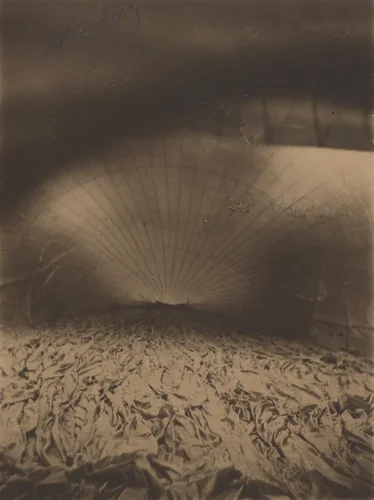
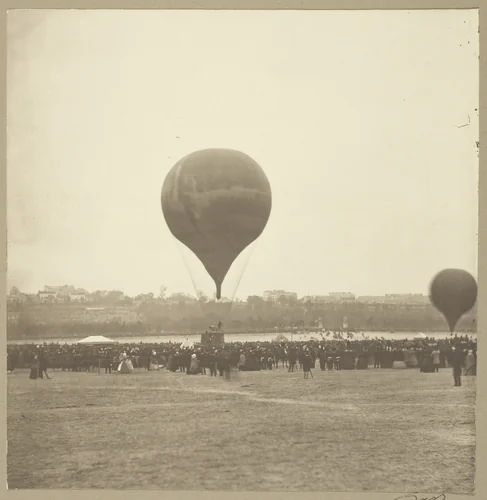
Nadar’s innovation was not confined to ground level. He was an enthusiastic proponent of heavier-than-air flight and an avid balloonist, culminating in a significant technical landmark. In 1858, Nadar became the first person to produce aerial photographs, successfully capturing views of Paris from the vantage point of a hot air balloon, a difficult and groundbreaking feat that cemented his position as a technical as well as artistic innovator. It is perhaps fitting that a man whose primary focus was capturing the immediate, grounded truth of the human face would simultaneously dedicate himself to mastering the impossible perspective of the aerial view.
His profound contributions to the medium are recognized internationally; photographic portraits by Nadar are considered museum-quality and are central components of institutional holdings across the globe, including the Metropolitan Museum of Art and the Art Institute of Chicago. The continued relevance of his work ensures that high-quality prints and archival resources remain highly sought after by collectors seeking foundational documents of 19th-century French culture. His son, Paul Nadar, successfully continued the studio's tradition of technical rigor and sophisticated portraiture for decades after the master’s death.
Source: Wikipedia · CC BY-SA 4.0
![[Paul Nadar at the Breast of His Wet Nurse] by Nadar, photograph, 1856](https://img.artbee.org/bb09708c-8b7e-450a-8ad0-eaacae8972fe/small.webp)
![[Seated Model, Partially Draped] by Nadar, photograph, 1856-1859](https://img.artbee.org/7f6b9fc8-4dd2-4d2e-8320-6c2c94c2d633/small.webp)
![[Standing Female Nude] by Nadar, photograph, 1860-1861](https://img.artbee.org/437d970f-bac2-4855-b0a5-c05ee2cc6e06/small.webp)
![[Self-Portrait in Costume] by Nadar, photograph, 1862-1864](https://img.artbee.org/93d05817-2b5f-482f-8159-e4afeb86b51f/small.webp)
![[Nadar with His Wife, Ernestine, in a Balloon] by Nadar, photograph, 1863-1867](https://img.artbee.org/8f5edd5e-1b5a-466d-8dbd-377cf2d081e3/small.webp)