Moyses van Wtenbrouck
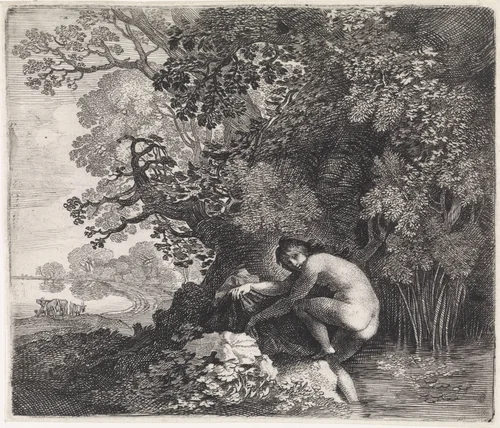
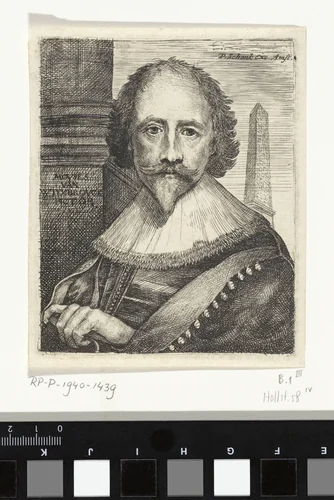
Moyses van Wtenbrouck, a foundational figure within the graphic arts of the Dutch Golden Age, is recognized primarily for his technical mastery as an etcher and, secondarily, as a painter. Active between approximately 1600 and 1618, his documented output, though modest in volume, established a clear lineage in Dutch printmaking that synthesized biblical or mythological subjects with idealized pastoral settings.
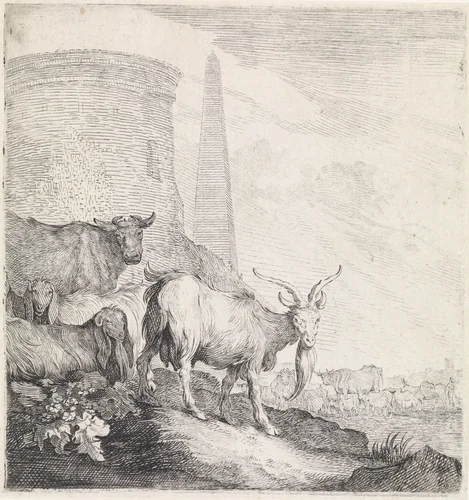
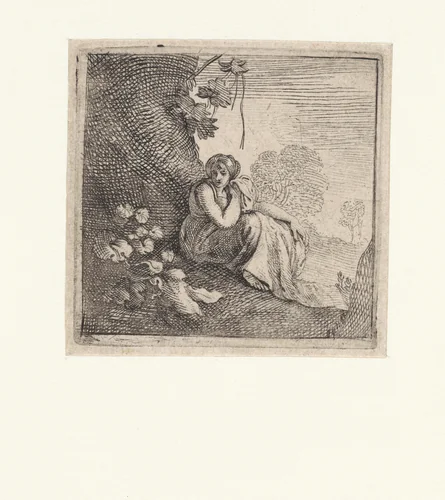
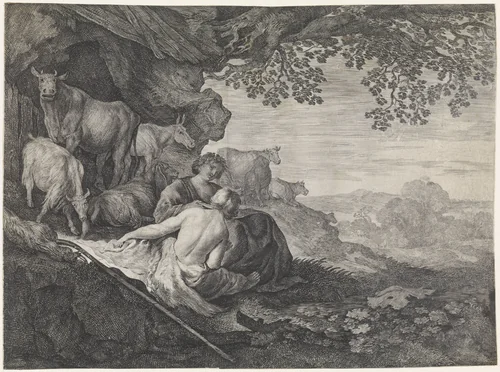
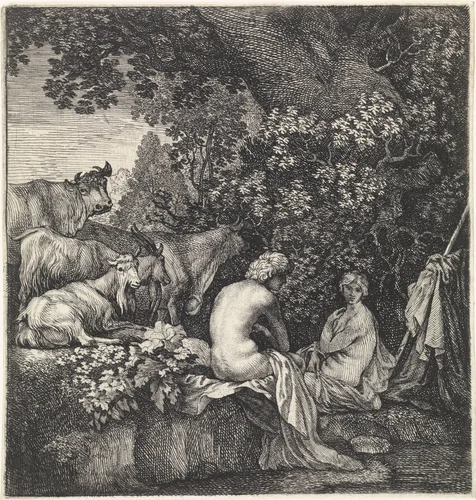
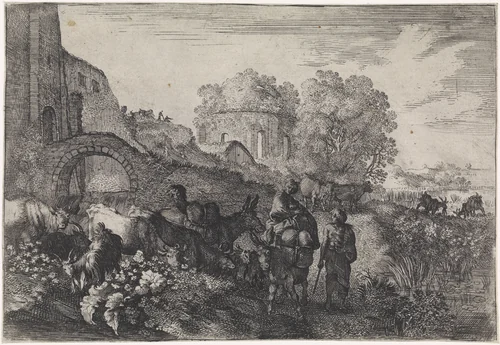
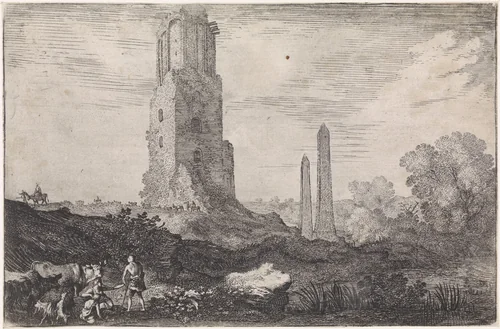
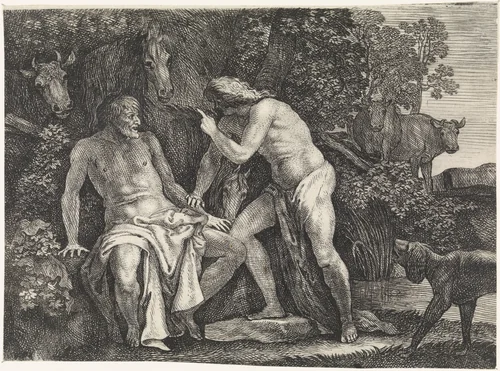
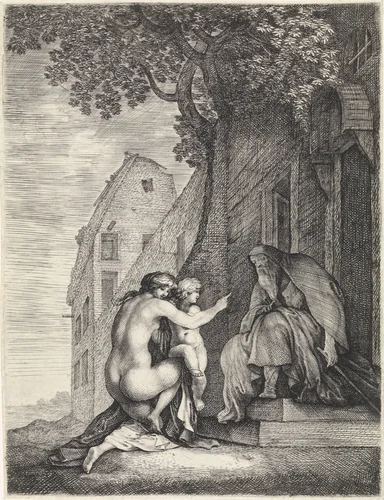
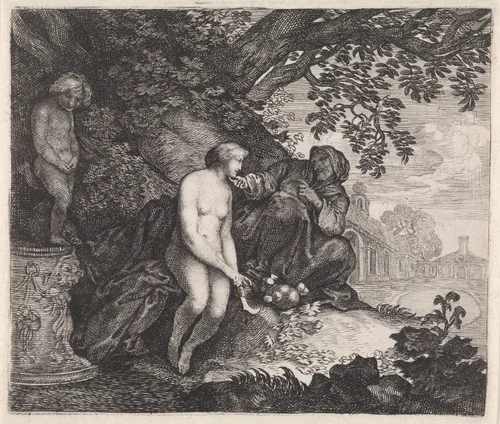
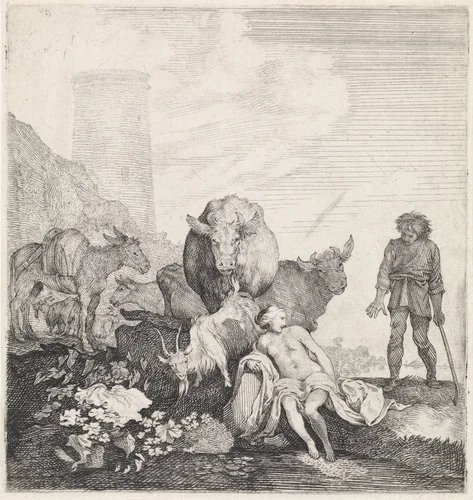
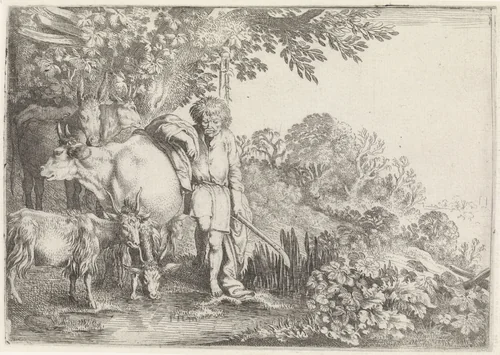
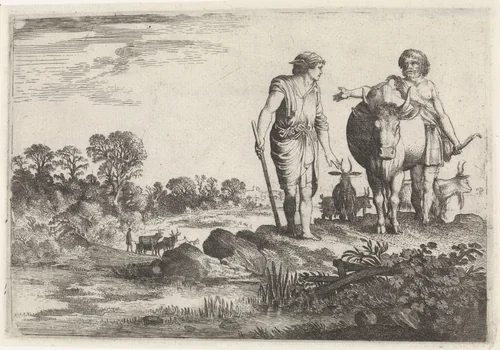
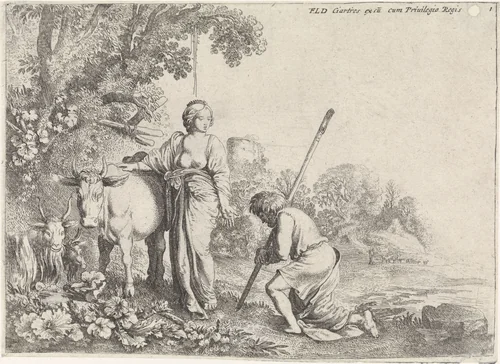
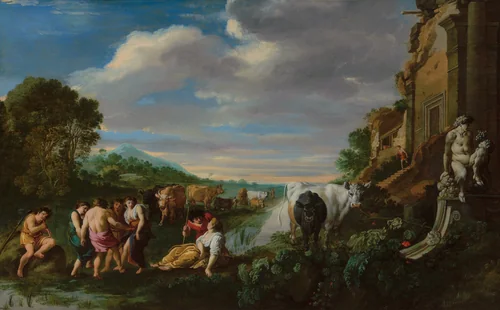
Wtenbrouck specialized in intimate scenes that often borrowed the compositional gravity of Roman antiquity while maintaining the atmospheric depth characteristic of his northern contemporaries. Titles such as Geiten en koeien bij een ronde toren met een obelisk exemplify this fusion, placing common livestock within monumental, faintly ruinous Italianate architecture. His prints, including Herders bij een vijver and Herder en herderin, demonstrate a consistent focus on the bambocciate tradition, where rustic daily life is captured with precision and warmth. Even when tackling serious narrative, such as Hagar in de woestijn, the focus remains on the interplay between figures and the vastness of the environment, skillfully rendered through intricate cross-hatching.
The surviving corpus consists of approximately fifteen distinctive copperplate compositions, now crucial reference points for understanding the print workshop practices of the early 17th century. The enduring influence of his detailed prints, considering the surprisingly brevity of his documented career, speaks volumes of his skill; he perfected the art of the economical line, allowing simple compositions to achieve maximal emotional resonance.
Today, a significant collection of Moyses van Wtenbrouck prints resides in prestigious institutions like the Rijksmuseum, cementing his status in the canon. These museum-quality works, often available as high-quality prints through public domain collections, ensure that this distinctive strain of early Golden Age artistry remains accessible to scholars and enthusiasts worldwide. His legacy as a highly proficient etcher is secure, offering a concise but compelling visual record of the era's taste for classical pastoralism.
Source: Wikipedia · CC BY-SA 4.0