Moses van Uyttenbroeck
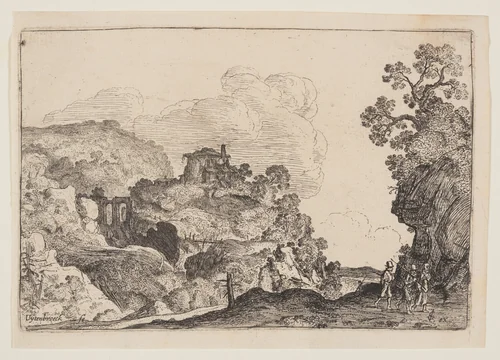
Moses van Uyttenbroeck, alternatively recorded as Moyses van Wtenbrouck, was a vital figure in the Dutch Golden Age, distinguished both as a painter and a highly competent etcher. Active for a concentrated, intense period spanning roughly 1615 to 1620, Uyttenbroeck’s primary legacy rests upon a small but expertly executed body of graphic works that demonstrate a sophisticated handling of classical mythology and narrative drama.
His artistic concentration on printmaking positions him firmly within the period’s burgeoning culture of reproducible media. Unlike artists who concentrated solely on large-scale commissions, Uyttenbroeck utilized the copper plate to rapidly disseminate complex mythological themes derived predominantly from the classical texts of Ovid. This focus confirms an early seventeenth-century trend where etching provided a crucial bridge between scholarly source material and broader public interest.
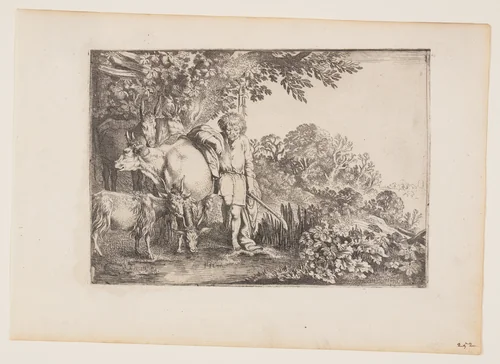
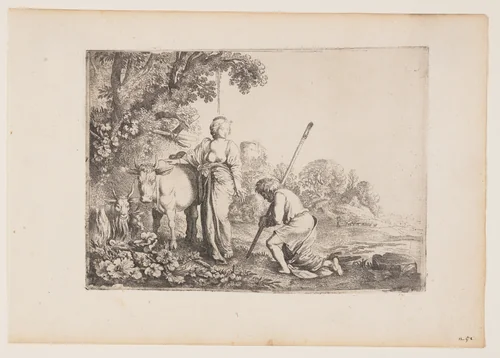
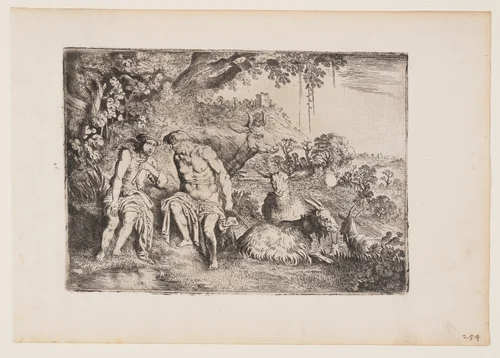
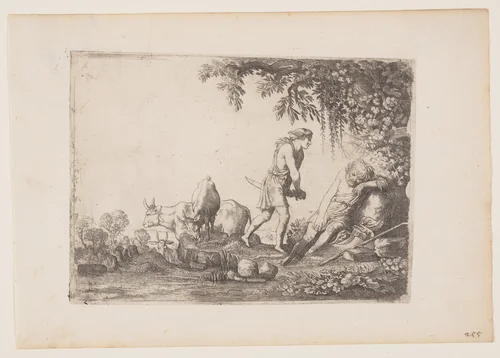
The most defining elements of his known oeuvre are the narrative cycles, particularly the four plates comprising The Story of Mercury and Argus. This series captures sequential moments of high tension, moving from the initial vigilance depicted in Argus Attending his Herd and Juno Delivering Io to the tragic conclusion realized in Mercury Slays Argus. These works showcase Uyttenbroeck’s command over light, shadow, and figural grouping, essential traits that elevated these works to museum-quality prints even centuries later.
These scarce prints are now conserved in major international collections, including the Art Institute of Chicago. The exceptional quality and historical significance of the existing Moses van Uyttenbroeck prints have cemented their status. Due to their age and source, many of the impressions surviving today are now located in the public domain, ensuring continued accessibility for academic study and appreciation.
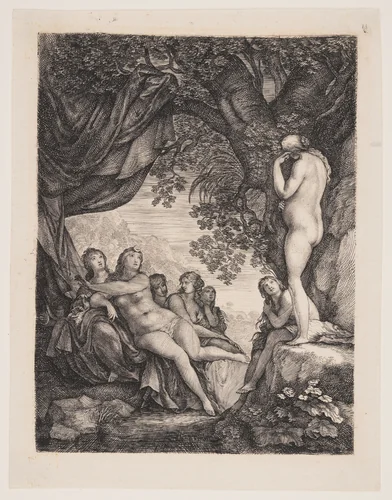
It is perhaps the extreme brevity of Uyttenbroeck’s documented five-year period of print activity that provides the most interesting historical footnote. This rapid, focused output prompts the enjoyable puzzle for scholars: whether the artist simply reached a peak of technical competence early in his life, or if he diverted his considerable talents entirely toward painting commissions, away from the print market. Regardless, the precision evident in works such as Diana and Callisto confirms his essential contribution to the Dutch school of mythological etching.
Source: Wikipedia · CC BY-SA 4.0