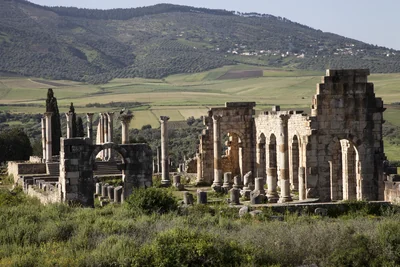
Morocco
Morocco, officially the Kingdom of Morocco, holds a distinctive position in the history of global material culture, functioning as a critical cultural hinge between the Mediterranean Sea and the Atlantic Ocean. Geographically situated at the confluence of diverse civilizations-specifically Arab, Berber, African, and European-its artistic output represents a dynamic synthesis of traditions. This exceptional positioning ensured that Moroccan craft, particularly its celebrated textile production, reached unparalleled levels of technical sophistication throughout the nineteenth century.
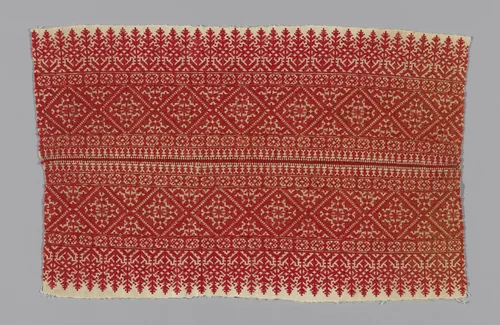
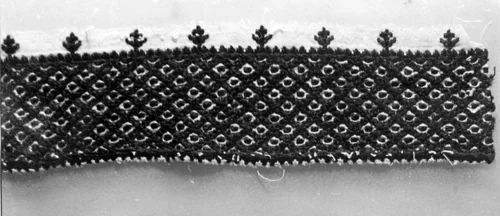
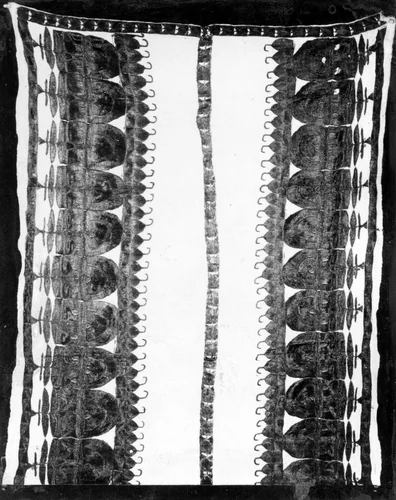
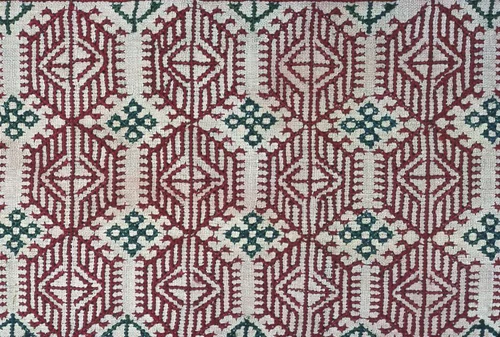
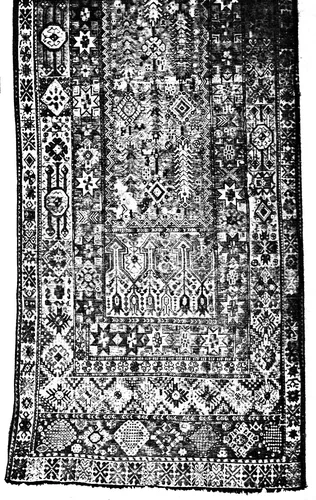
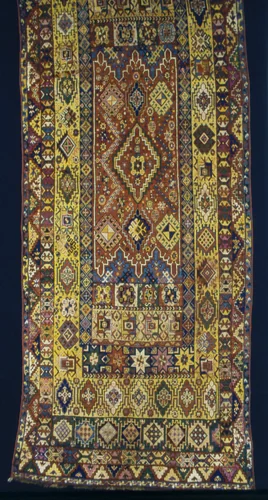
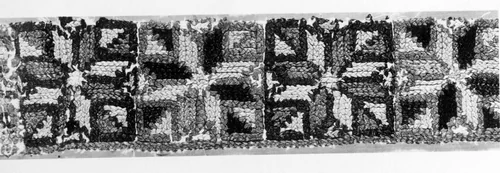
The collection of weavings active between 1801 and 1875, cataloged in major institutions such as the Art Institute of Chicago, provides a concentrated view of this mastery. These eight documented works-including structural pieces like the Carpet and nuanced samples such as the Fragment (Border)-showcase the artisan's command over complex knotting, natural dyeing, and geometric abstraction. The visual lexicon employed during this era relied heavily on intricate repeat patterns and a refined, often restrained, color palette that contrasts sharply with the flamboyant styles that would emerge later in the century.
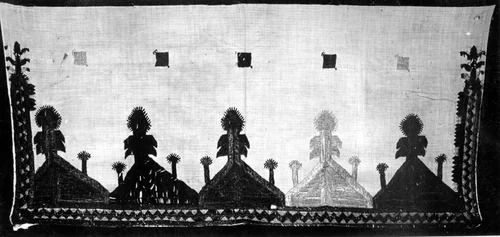
The sustained excellence across pieces like the Scarf and various early fragments demonstrates not only local technical skill but also the far-reaching trade routes that connected the country, bordered by Algeria to the east and the contested territory of Western Sahara to the south. While Arabic and Berber serve as the official languages of the Kingdom, the sophisticated, non-verbal language communicated by Morocco’s textiles-the precise spacing, the tension of the weave-is universally eloquent, requiring no translation.
The preservation of these historical artifacts ensures their continued influence. Today, the integrity of these museum-quality objects is accessible through high-quality prints and downloadable artwork, offering modern researchers and designers direct insight into the enduring aesthetic power of early nineteenth-century Morocco prints.
Source: Wikipedia · CC BY-SA 4.0