Moritz von Schwind
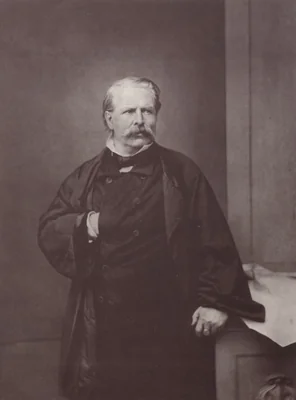
Moritz von Schwind (1804-1864) was an Austrian painter and draftsman who, despite working across the transitional styles of the early to mid-nineteenth century, established himself as one of the era’s foremost exponents of Romantic lyrical expression. Born in Vienna, Schwind developed an intensely personalized aesthetic, prioritizing emotional narrative and the rich imaginative source material of Central European cultural history over the academic classicism of his contemporaries.
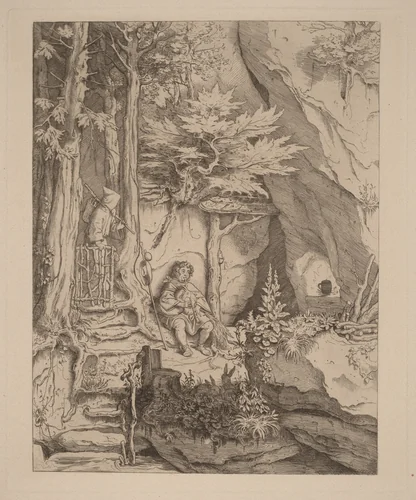
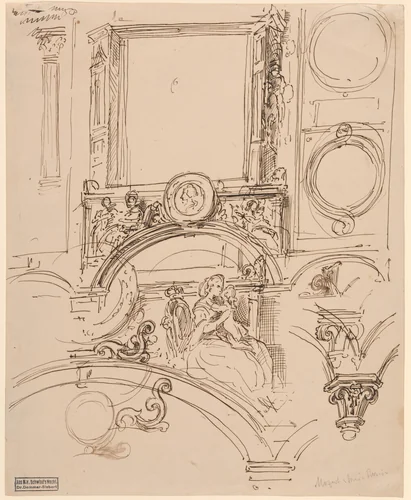
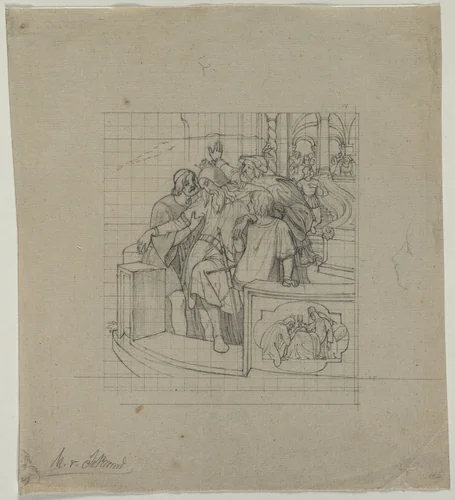
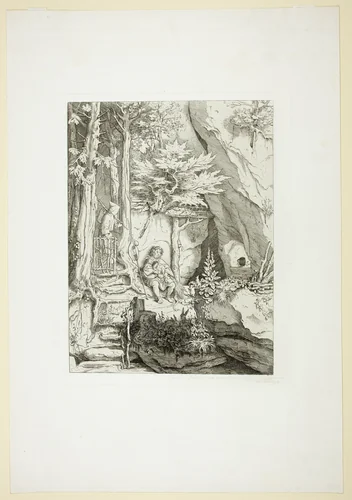
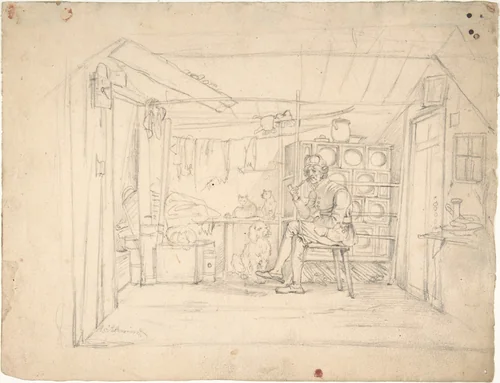
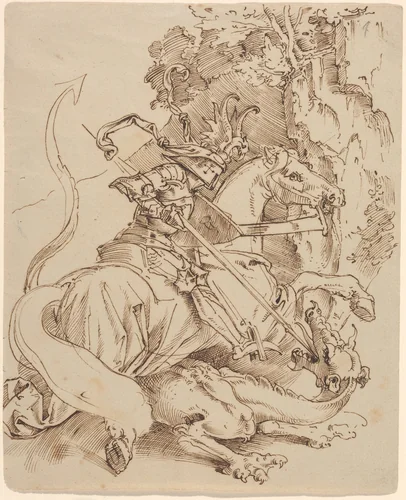
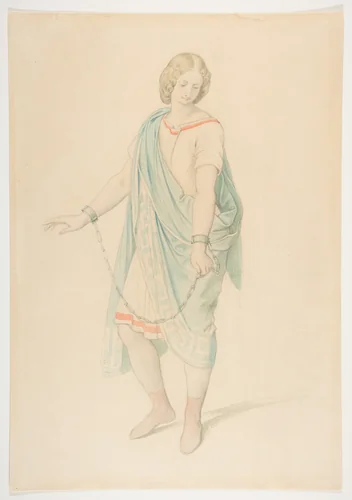
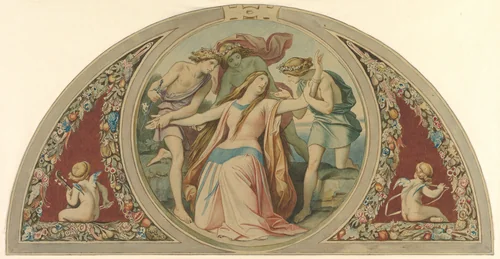
Schwind’s essential artistic genius was profoundly lyrical. He drew direct inspiration from the enduring themes of chivalry, medieval folklore, and the collected songs of the people. This focus positioned him as a crucial figure in the revival of nationalistic narrative painting, where the subject matter often hovered between history, legend, and the supernatural. His compositions range dramatically, from the focused, intimate character study seen in A Monk with a Bagpipe Player to explorations of mythic tragedy, such as the evocative print The King of Thule. He demonstrated a powerful facility for integrating detailed allegory into grand designs, exemplified by the complex vision of Architectural Details for a Wall Decoration with Empress Maria Theresia Embracing the Young Wolfgang Amadeus Mozart, showcasing his distinctive blend of historical figure and personalized fantasy.
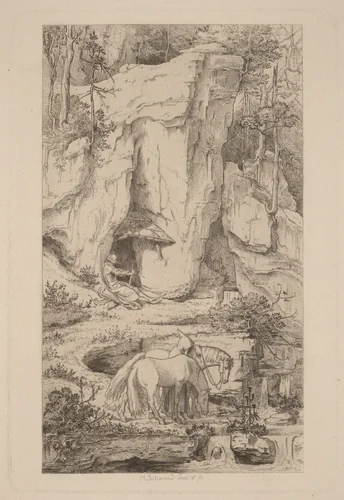
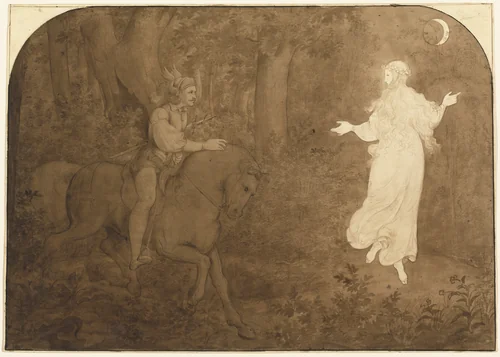
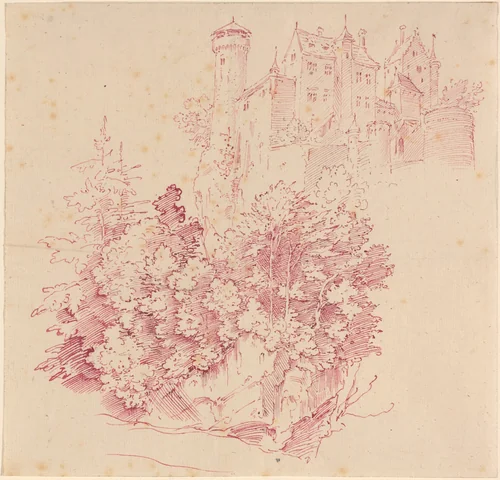
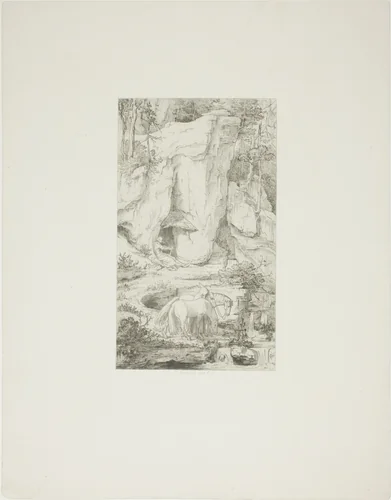
Though he was a significant muralist, Schwind’s legacy rests equally on the clarity and emotional depth of his graphic work. His substantial output of drawings and high-quality prints, including studies like The Apparition in the Forest, demonstrates a compositional mastery vital to the understanding of mid-century Germanic draftsmanship. His oeuvre is represented in major international institutions, with significant examples of Moritz von Schwind prints and drawings housed in the collections of the Metropolitan Museum of Art, the Art Institute of Chicago, and the National Gallery of Art.
Today, much of Schwind’s historical production has entered the public domain, ensuring the widespread availability of his works, including high-quality prints and downloadable artwork. It is perhaps a fitting, yet subtly ironic, conclusion to the life of this preeminent Austrian romantic master that, having shaped the visual imagination of his homeland, he ultimately died in Pöcking, Bavaria, and was subsequently buried in the Alter Südfriedhof in Munich.
Source: Wikipedia · CC BY-SA 4.0