Moretto da Brescia
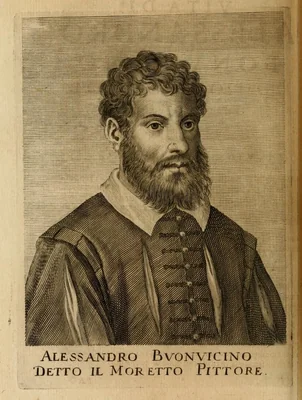
Alessandro Bonvicino, known to posterity as Il Moretto da Brescia, stands as a foundational master of the regional Italian Renaissance, occupying a unique position among the painters operating outside Venice during the sixteenth century. Active across the late fifteenth and mid-sixteenth centuries, Moretto was already recognized as a master painter by 1516, even though the bulk of his dated professional output spans the period 1524 to 1554. While his artistic identity is inextricably tied to Brescia, where he primarily worked, his reputation secured important commissions across Northern Italy, including Bergamo, Milan, Verona, and Asola.
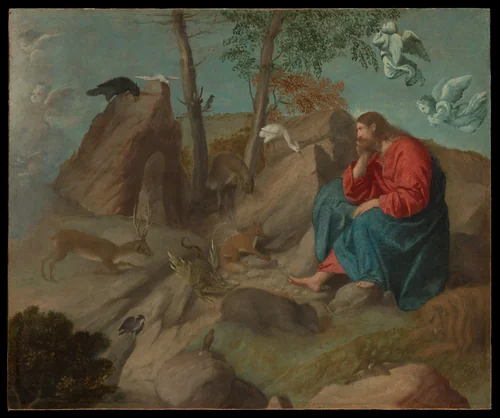
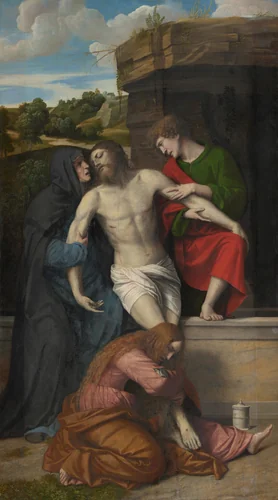
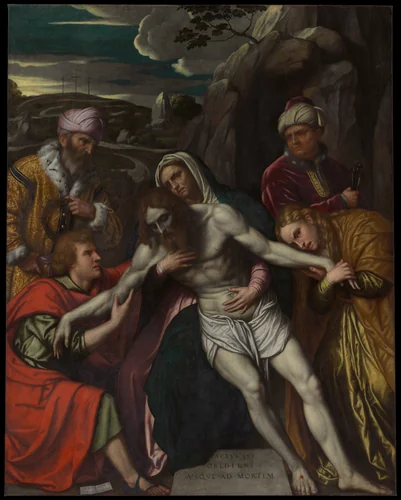
The core of Moretto da Brescia paintings is religious devotion. He specialized in large-scale altarpieces, many of which remain in situ in the churches for which they were originally commissioned. These works, characterized by their controlled clarity and dignified compositions, tend toward a reflective sedateness that distinguishes them from the more exuberant palette of some Venetian contemporaries. His ability to render emotion through subtle gesture is evident in major surviving pieces, such as the compelling Christ in the Wilderness and the profound Pietà.
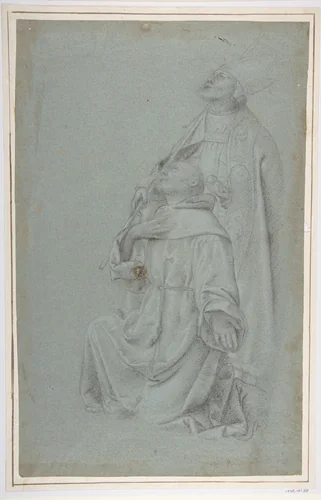
Moretto demonstrated a practical flexibility with his chosen media. Though a considerable number of his monumental works were executed on traditional wood panels, the majority of his extensive catalogue exists on canvas, a pragmatic choice reflecting the emerging trends of sixteenth-century workshop production. Furthermore, the relative rarity of surviving preparatory studies is a curious footnote in his prolific career; only a handful of drawings attributed to the master remain, making the assurance and finality of his finished compositions all the more remarkable.
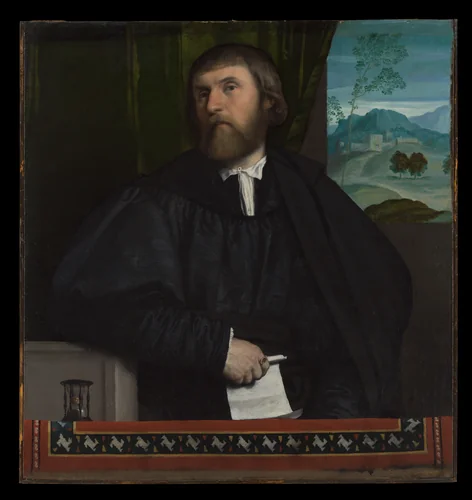
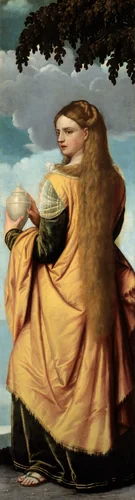
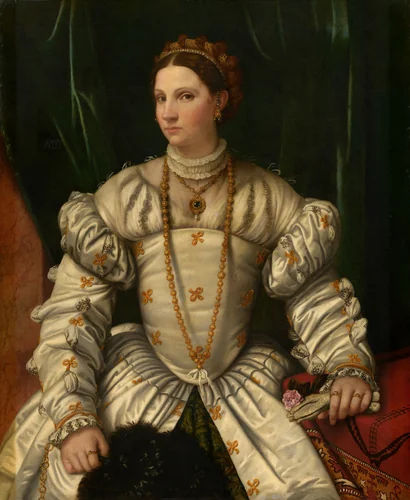
His legacy is maintained through key holdings in international institutions, including his subtle character studies like Portrait of a Man and religious icons such as Mary Magdalene. Through the availability of downloadable artwork and museum-quality resources, many of his significant works, particularly those residing in the public domain, are accessible as high-quality prints, allowing detailed examination of this restrained yet powerful master.
Source: Wikipedia · CC BY-SA 4.0