Minangkabau people
The Minangkabau people, known interchangeably as the Minangkabos or simply Minang, constitute a significant Austronesian ethnic group native to the Minangkabau Highlands of the Western Sumatra region of the Indonesian archipelago. Their culture is historically distinguished by a complex matriarchal society (Adat Bundo Kanduang) and highly refined artistic traditions, particularly in architecture and textiles. Artistic activity is reliably documented as early as 1801, placing Minangkabau textile production firmly within the early historical phase before extensive colonial intervention drastically altered regional aesthetics and trade.
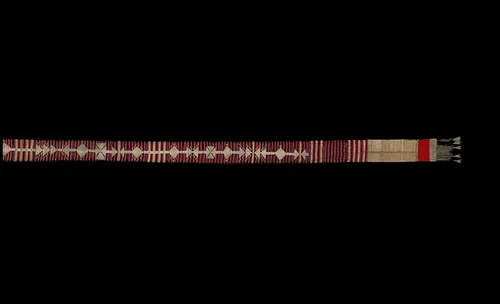
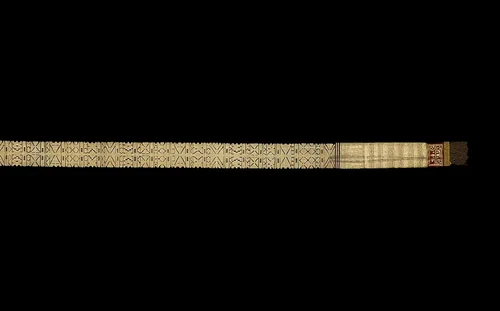
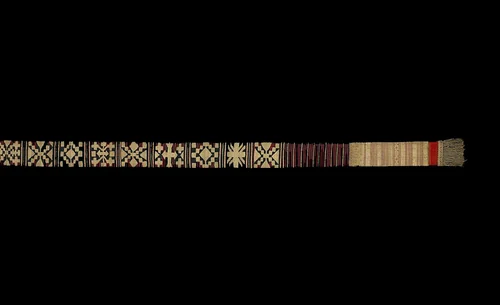
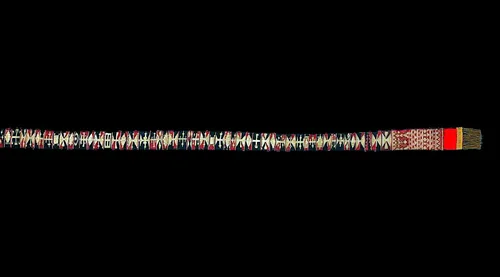
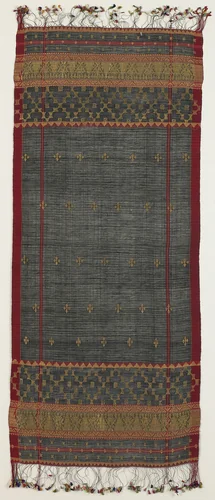
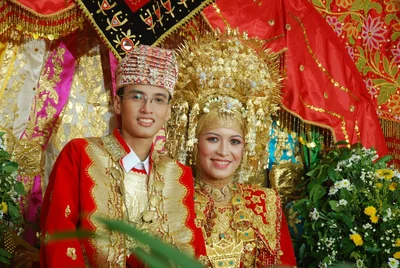
The Minangkabau textile tradition centers on ceremonial function and material status, creating garments essential for weddings, installations of clan leaders, and festivals. Surviving examples held in institutions such as the Art Institute of Chicago reveal mastery over supplementary weft techniques, often incorporating high-cost fibers and metallic threads sourced through local trade networks. These pieces serve as crucial historical markers of social ranking and wealth.
The focus of the historical textile archive remains concentrated on two critical forms: the selendang (Shoulder or Head Cloth) and the ikak pinggang (Ceremonial Waist Sash). It is a curious observation that the vast majority of documented works are dedicated solely to the ikak pinggang; the sheer proliferation of these sashes suggests a deep cultural preoccupation with ritually defining and binding the social center during pivotal ceremonial occasions.
These artifacts, which represent the pinnacle of regional craftsmanship, are frequently sought after for study. Although the original textiles are preserved as museum-quality works in institutional collections, the legacy of this artistry continues globally. Researchers and enthusiasts often rely on documented collections for specialized Minangkabau people prints. Due to the meticulous detail and historical importance of these garments, there is a consistent demand for high-quality prints derived from this important lineage of Southeast Asian textile art.
Source: Wikipedia · CC BY-SA 4.0