Min Zhen
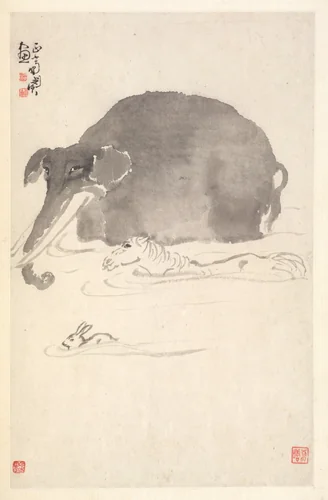
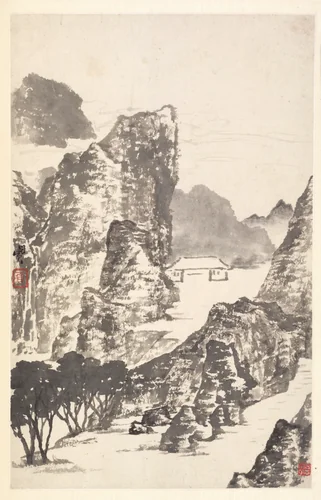
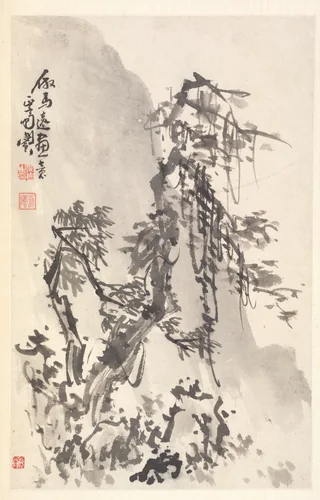
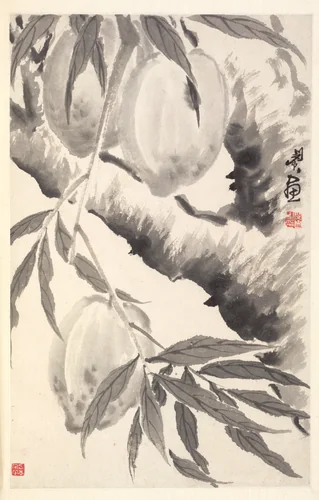
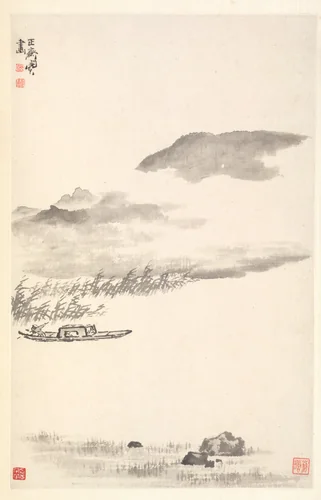
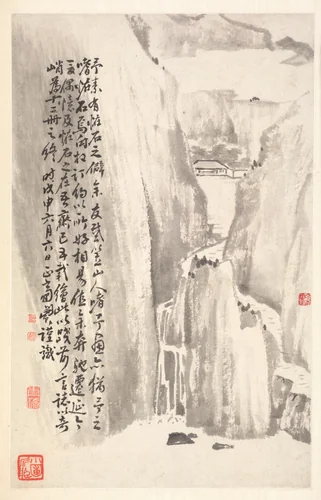
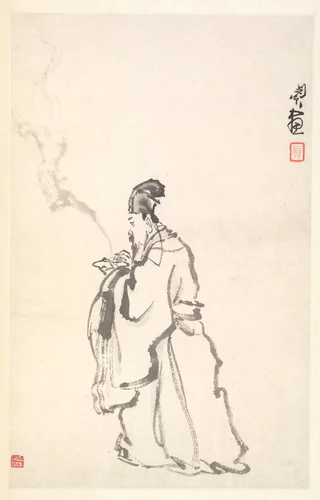
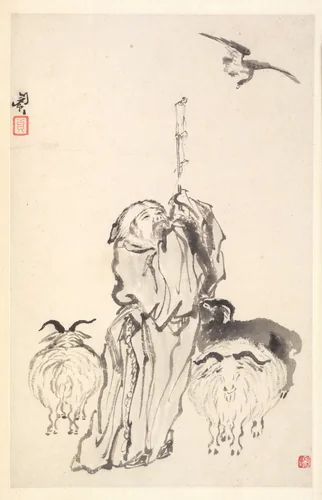
Min Zhen (active c. 1788) was a noteworthy Chinese painter and seal carver whose figure subjects and unconventional painting methods mark him as an important figure of the late Qing Dynasty. Born in Nanchang, Jiangxi, he spent the majority of his life in Hubei, navigating the shifting artistic currents of the late 18th century while maintaining a highly individualistic style. His focused output, which includes dynamic scroll paintings and intimate album leaves, is characterized by its immediacy and expressive freedom.
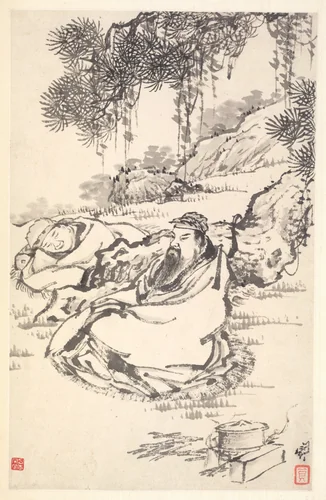
Min Zhen’s early life was marked by personal tragedy, having been orphaned at a young age. This independent background may have contributed to his frequent, though informal, association with the Eight Eccentrics of Yangzhou. Like that celebrated group, Min Zhen favored an approach that prioritized emotional truth and spontaneous execution over the rigid academic conventions of the era. His work is primarily known for its skilled depiction of human figures, often capturing the subtle humor or psychological intensity of his subjects in ways that set his artistry apart from the prevalent focus on idealized landscapes of the period.
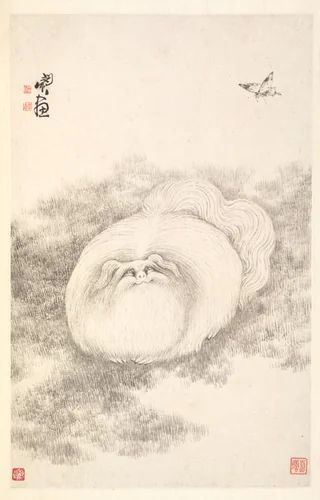
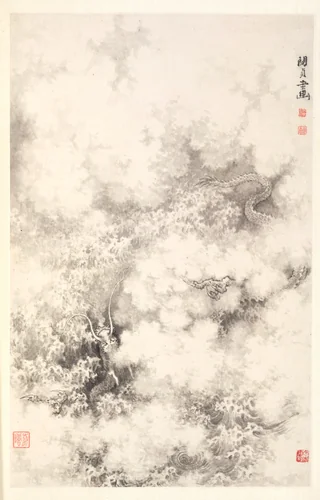
Beyond traditional brushwork, Min Zhen was highly recognized for his technical innovation, specifically his occasional employment of zhimo, or finger painting. This unique technique utilized the hand, palm, and fingernails in lieu of a brush, lending a striking, raw texture to his compositions, such as the powerful depiction of Dragon amid Clouds. This willingness to subvert established methods confirms his place within the tradition of artistic eccentricity. Whether working with finger paint or fine brushwork, the underlying quality of Min Zhen paintings is a vibrant directness, evidenced equally in mythical subjects and in charming genre scenes like Cat and Butterfly.
Although his active period centered around the close of the 18th century, Min Zhen’s reputation endures, ensuring his works are held in prestigious international collections, including the Cleveland Museum of Art. Because many of these significant pieces are now considered to be in the public domain, they are widely accessible as high-quality prints and downloadable artwork. This sustained availability ensures that the inventive spirit and unique style found in Min Zhen prints remain central to the study of Qing Dynasty figure painting.
Source: Wikipedia · CC BY-SA 4.0