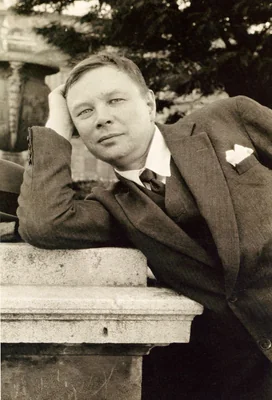
Mikhail Larionov
Mikhail Larionov (1881-1964) was a central, kinetic force within the Russian avant-garde, responsible for charting the course of the nation’s earliest steps toward pure abstraction. Active particularly during the dynamic period between 1906 and 1913, Larionov’s early experimentation moved rapidly from Neo-Primitivism, which celebrated Russian folk iconography and provincial art, to a radical non-objective aesthetic.
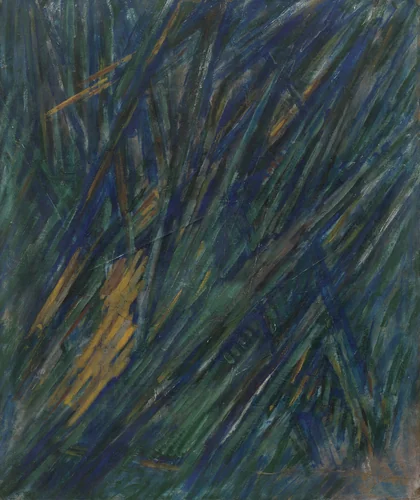
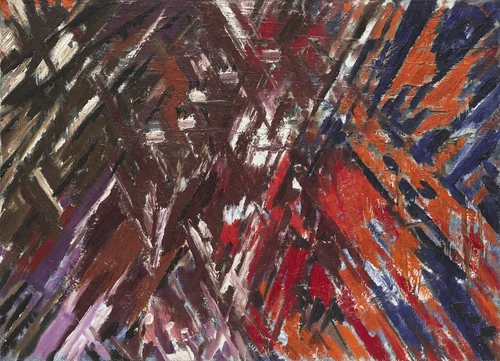
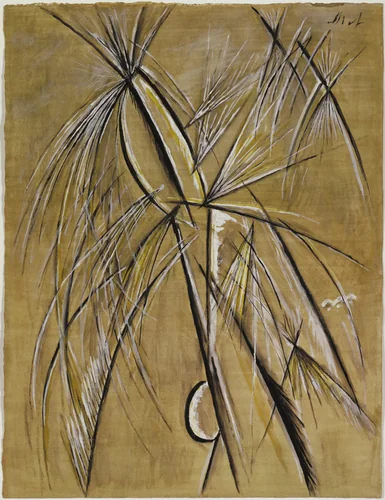
His most profound conceptual contribution was Rayonism, a term he introduced to define an art of light and energy. This style sought to visualize the reflected rays of different colored objects and the dynamic intersections of light waves, effectively treating subject matter as a source of energy rather than mere form. This breakthrough, formalized around 1912, established him as a key innovator alongside contemporaries like Wassily Kandinsky, asserting a highly intellectual yet intensely visual form of modernism.
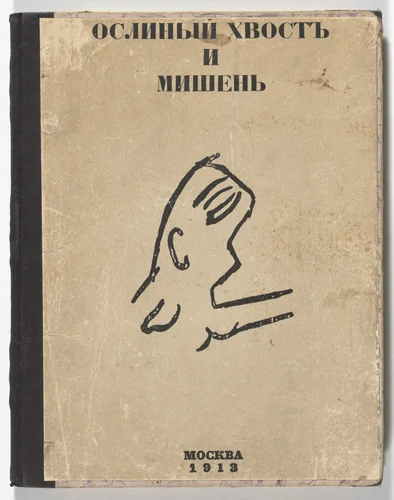
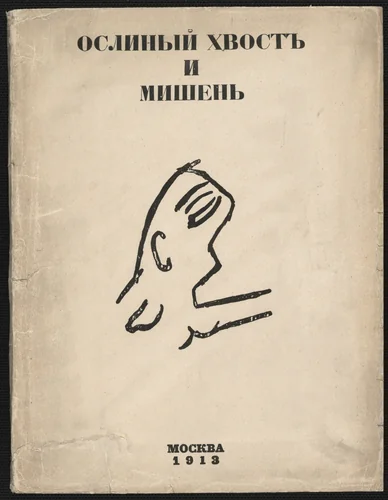
Larionov was instrumental in organizing and polarizing the Moscow art scene. He was a co-founder of the Knave of Diamonds group (1910), which introduced contemporary French influences like Fauvism and Cubism to Russian audiences. However, Larionov soon broke with this group, deeming it too conservative. He subsequently established the far more rebellious Donkey’s Tail (1912), an organization dedicated to creating a uniquely Russian modernist language, often merging academic painting with raw, unschooled vernacular aesthetics.
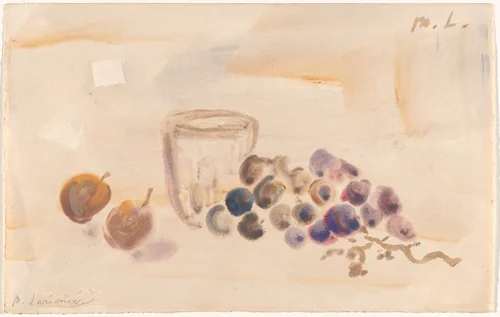
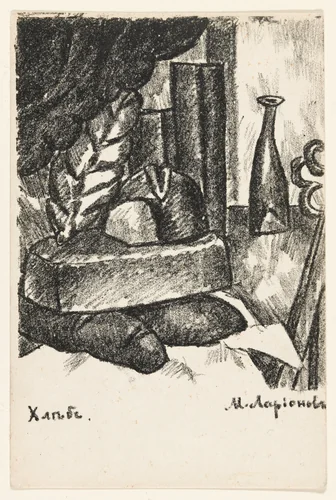
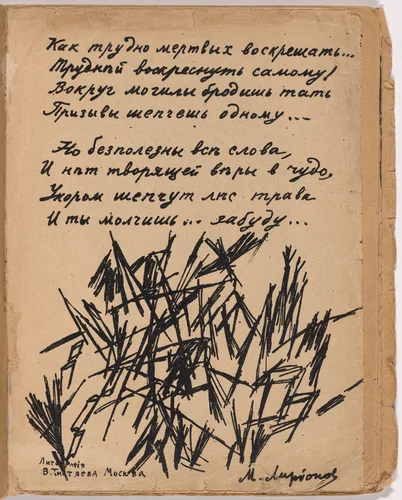
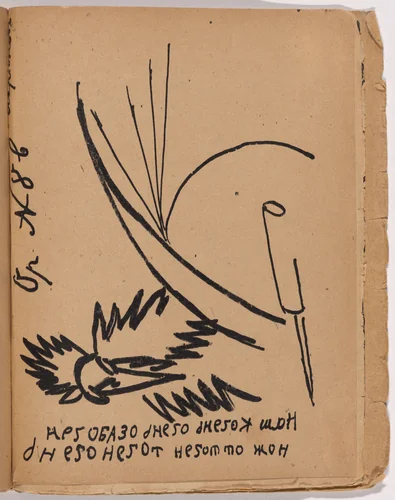
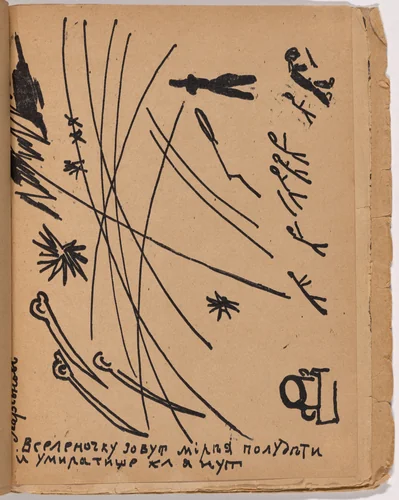
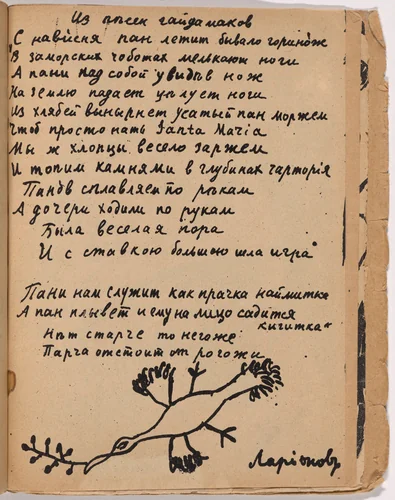
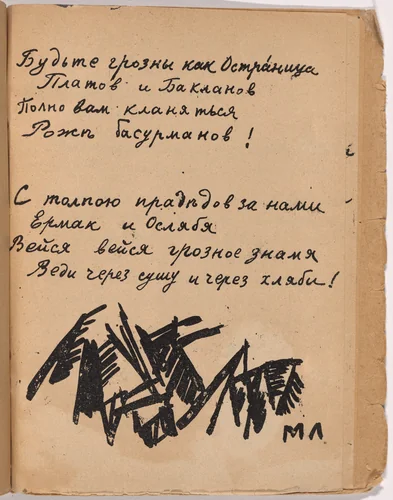
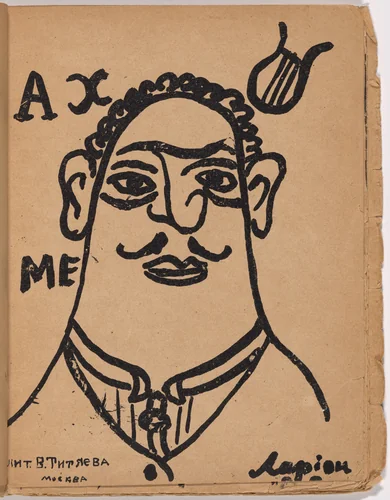
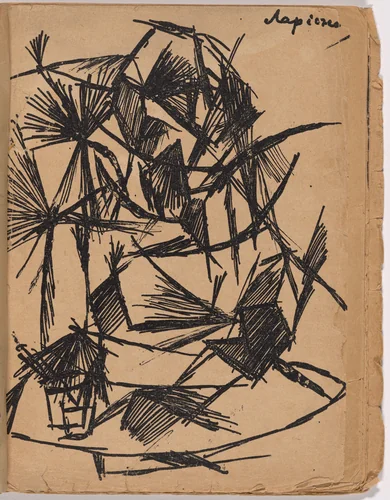
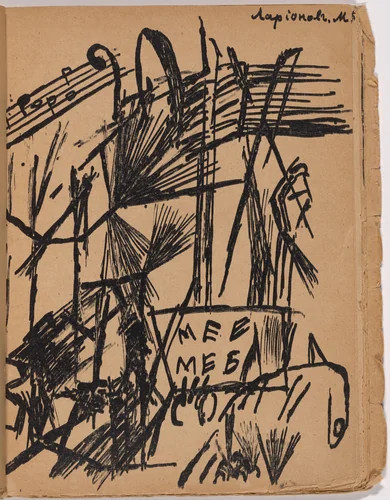
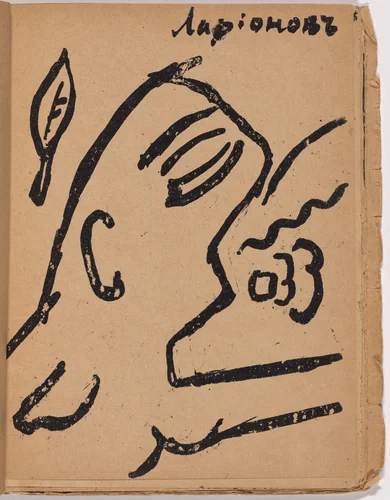
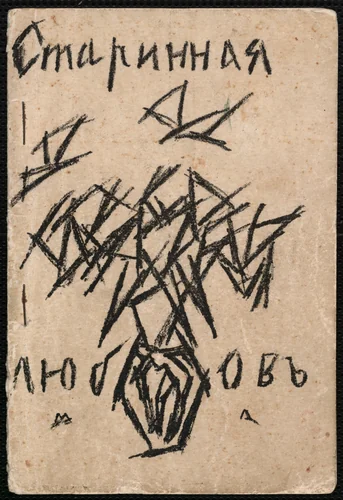
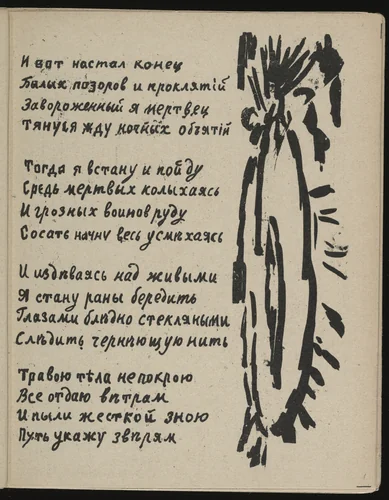
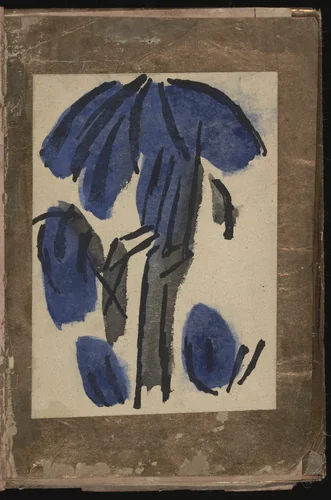
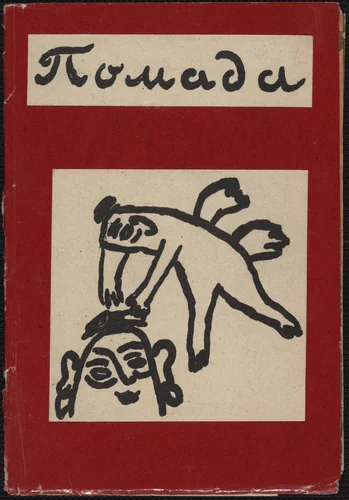
His early, productive period yielded two significant early paintings, Still Life and Bread, alongside eleven illustrated books that pushed the boundaries of visual and literary expression, including the innovative lithographic folios of Mirskontsa (Worldbackwards). The density of early output by Larionov confirms his place in museum-quality collections worldwide, including the Museum of Modern Art. It is worth noting that his lifelong artistic and romantic partnership with Natalia Goncharova, one of the most enduring collaborations in twentieth-century art, began while they were still students.
Following his groundbreaking work in abstraction, the trajectory of Larionov’s career shifted dramatically. He moved away from pure painting to focus on stage design and costume, working extensively with Sergei Diaghilev’s Ballets Russes in Europe. His earlier radicalism, however, remains his defining legacy. Due to the passage of time, many of these influential Mikhail Larionov prints and early illustrations are now in the public domain, making high-quality prints widely available for study and enjoyment.
Source: Wikipedia · CC BY-SA 4.0