Michiel Jansz. van Mierevelt
Michiel Jansz. van Mierevelt (1567-1641) was the preeminent portraitist of the early Dutch Golden Age, a draftsman and painter whose technical precision and prolific output defined the visual identity of the newly formed Dutch Republic’s ruling class. Active from roughly 1597 to 1640, Van Mierevelt established a visual vocabulary of power, refinement, and Protestant sobriety that catered directly to the political and military elite.
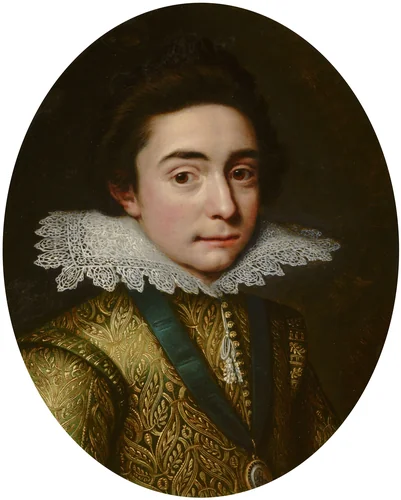
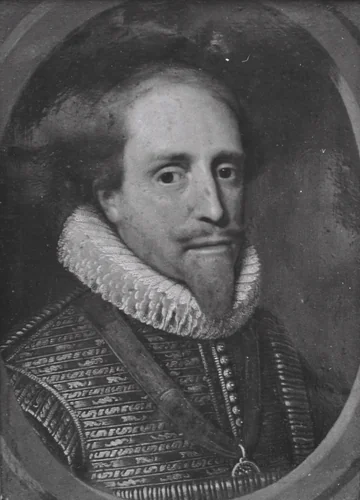
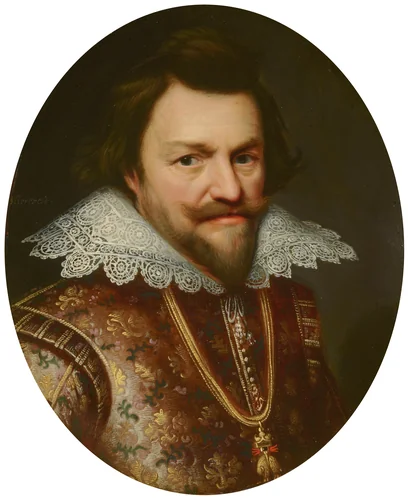
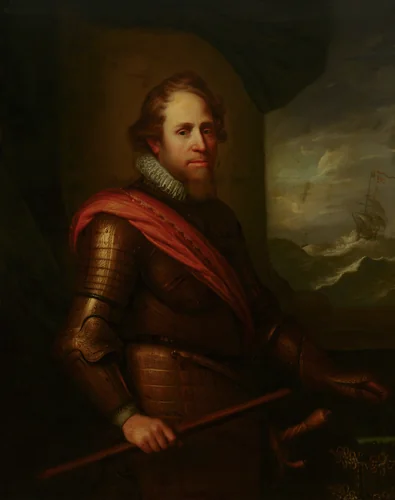
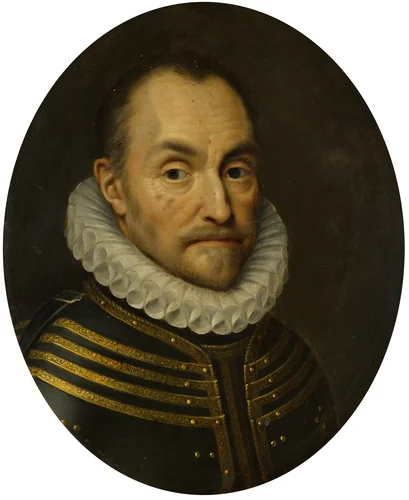
His career flourished through official commissions from Europe’s highest echelons. His sitters included key figures in both military strategy and diplomacy, such as Stadholder Maurits, Prince of Orange, whose likeness appears in the definitive Portrait of Stadholder Maurits (1567-1625), Prince of Orange. Other significant commissions included the ill-fated ‘Winter King,’ Friedrich V of Bohemia, featured in Portrait of Friedrich V (1596-1632), and the influential diplomats François van Aerssen and Cornelis van Aerssen. These Michiel Jansz. van Mierevelt paintings served a practical purpose, shaping the public perception of authority and facilitating the exchange of images across international courts.
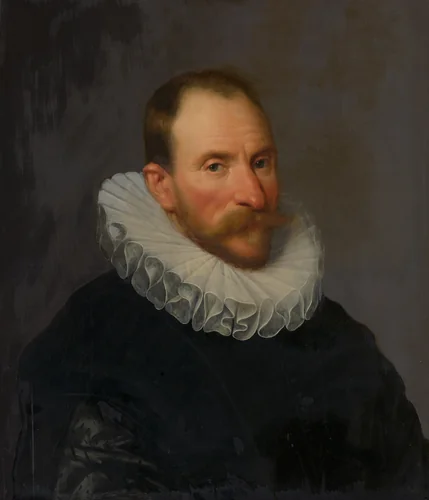
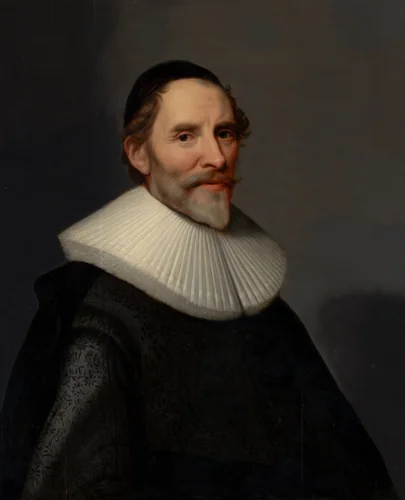
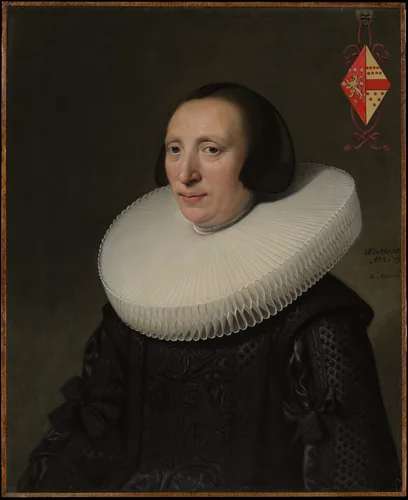
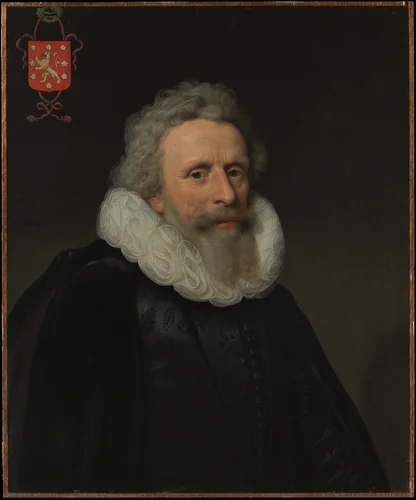
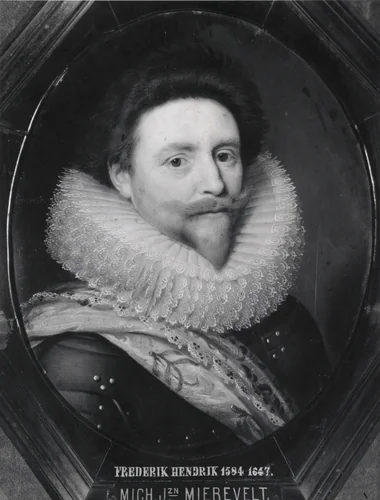
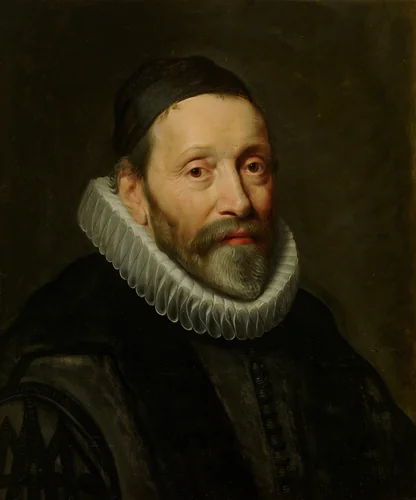
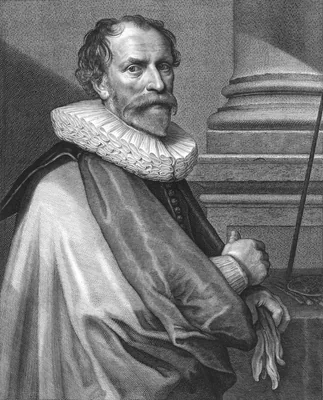
Van Mierevelt perfected a standardized approach to portraiture. The sitters typically appear in three-quarter view, illuminated crisply against a dark ground, their status conveyed through the intricate rendering of lace collars, rich fabrics, and ceremonial armor. So sought-after were his services that the sheer volume of production suggests he operated one of the most efficient, proto-industrial studios in the Low Countries, skillfully managing numerous assistants to meet the relentless demand for official images. This strategic business model allowed him to dominate the market for decades.
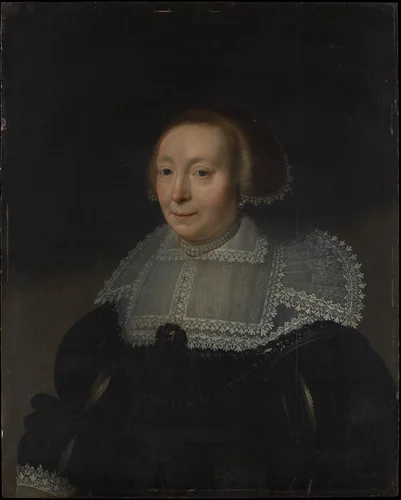
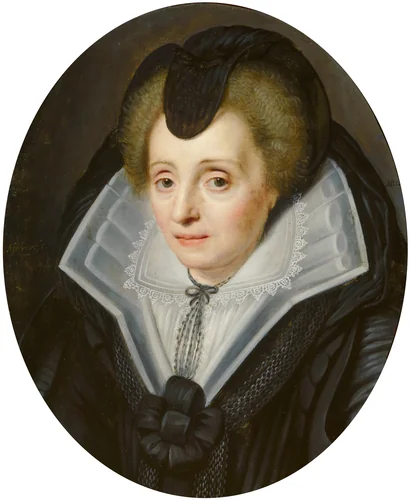
Today, Van Mierevelt’s work forms a crucial documentary archive of the period, with prime examples, such as Portrait of a Woman with a Lace Collar, held in major repositories including the Metropolitan Museum of Art and the Mauritshuis. The consistency and quality of his oeuvre ensure his continuing historical relevance. Though the original canvases are reserved for museum-quality collections, many of his portraits are available as high-quality prints, allowing modern viewers to engage with these powerful historical images through the growing catalogue of public domain resources.
Source: Wikipedia · CC BY-SA 4.0