Michiel Coxie
Michiel Coxie the Elder (c. 1499-1566), also known by his Latinized name Coxius, stands as a pivotal figure in sixteenth-century Flemish artistic production. His prolific output, spanning nearly half a century, established him not only as a master painter of altarpieces and portraits but also as a highly sought-after designer across diverse media.
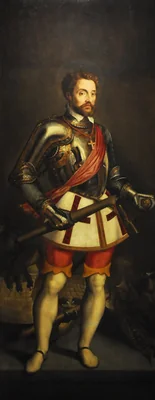
Coxie’s extensive skill set allowed him to command significant influence in the principal cities of Flanders. He functioned equally successfully as a meticulous draughtsman designing prints and as a visionary conceiver of grand scale textiles. His design oeuvre extended to stained-glass windows and tapestry series, confirming his reputation as a formidable multi-media artist of the Renaissance period. Such versatility made him indispensable to the highest levels of European power, and his career peaked with appointments as court painter. Unusually, he served successively as court painter to the Emperor Charles V and then, following the Imperial succession, to King Philip II of Spain, maintaining high-level artistic authority despite changing political tides. This longevity confirms his consistent ability to translate complex ideological demands into compelling visual narratives.
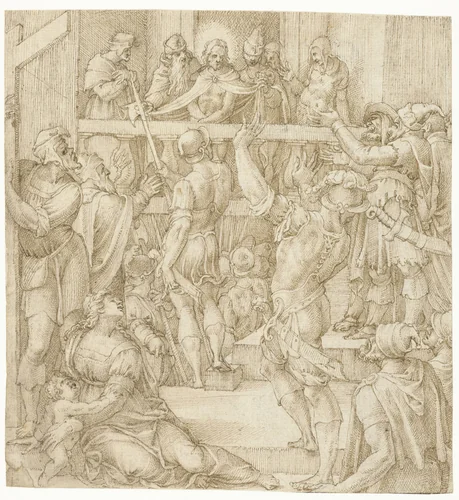
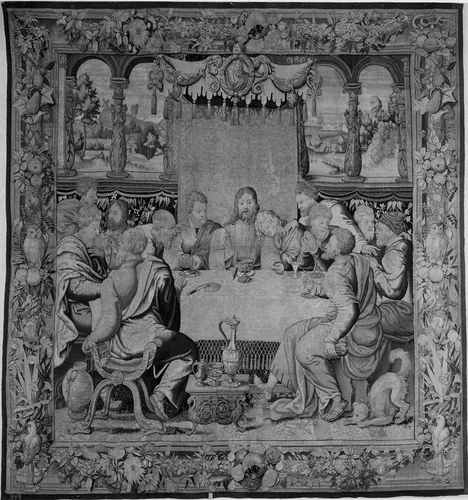
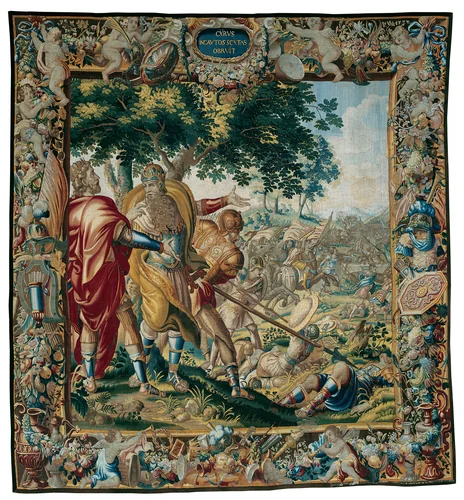
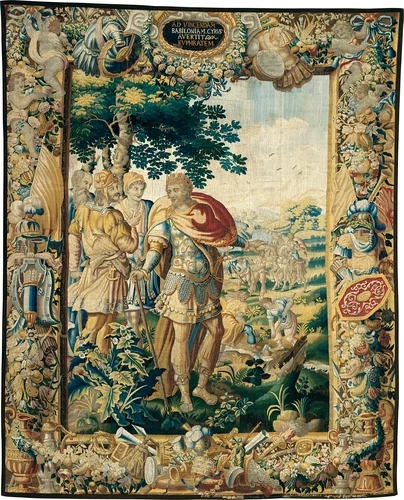
His extant body of work, though varied in medium, demonstrates a keen focus on biblical and mythological subject matter. Notable religious paintings include the devotional work Christus aan het volk getoond and the dramatic The Last Supper. Furthermore, Coxie’s design sensibility is especially evident in complex narrative sequences such as The Story of Cyrus, represented by preparatory studies like Cyrus Defeats Spargapises and The Diversion of the Euphrates. These compositions, executed with refined detail, often serve as exceptional examples of museum-quality historical design.
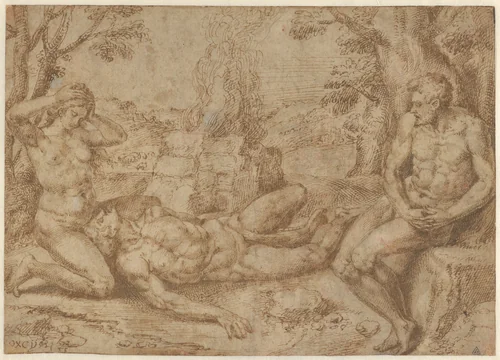
Coxie’s influence extended beyond his lifetime, shaping visual culture through the prints based on his drawings and paintings. Today, representative works, including textiles, drawings, and paintings like Adam and Eve Mourning the Death of Abel, are held in leading global institutions such as the Rijksmuseum, the Metropolitan Museum of Art, and the Art Institute of Chicago. The lasting significance of Michiel Coxie paintings and designs ensures they remain crucial documents of Netherlandish Renaissance art, accessible to scholars and the public through high-quality prints and archival collections.
Source: Wikipedia · CC BY-SA 4.0