Michele Marieschi
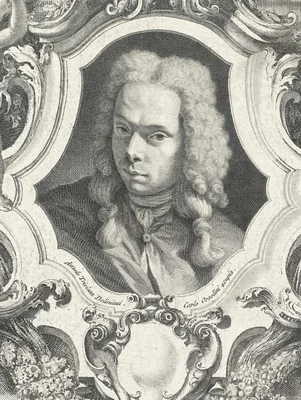
Michele Marieschi (c. 1710-1744) was an influential Italian painter and engraver whose brief but luminous career was instrumental in defining the genre of the Venetian veduta during the eighteenth century. A highly specialized artist, Marieschi is celebrated for his precise, atmospheric cityscapes, which focused almost entirely on the architectural drama and daily life of Venice. His documented active period, spanning roughly 1736 to 1741, represents a concentrated burst of creativity that cemented his reputation alongside contemporary masters like Canaletto.
Marieschi’s interpretation of familiar Venetian scenes, such as the sweeping panorama of S. Giorgio Maggiore, transcends mere topographical recording. He approached his canvases and copper plates with a dramatic sensibility rooted in his background creating architectural paintings, which suggests an early professional interest in stage design. This experience allowed him to manipulate perspective and light with striking theatricality, crafting compositions that often possess an energetic flair missing in more restrained documentary studies. Marieschi’s capacity to elevate the visual data of the Grand Canal or the bustling Rialto market into an engaging, orchestrated scene distinguishes his work from purely objective recording. Indeed, for Marieschi, even a standard view of the waterfront, such as The church of Santa Maria della Salute seen across the water with gondolas in the foreground, appears carefully staged to maximize its dramatic impact.
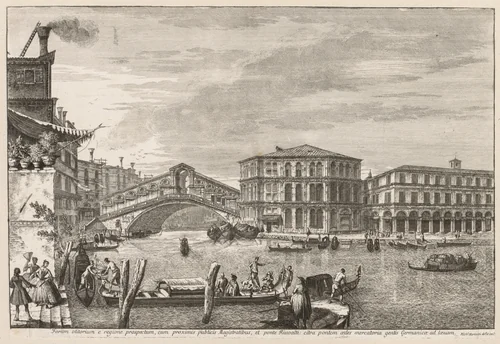
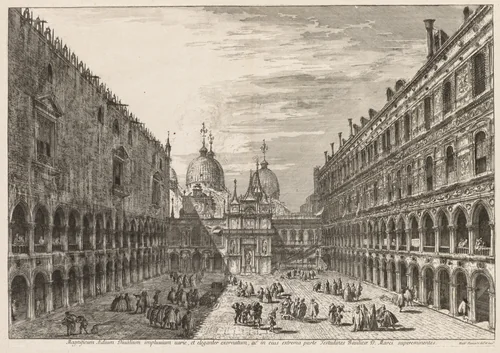
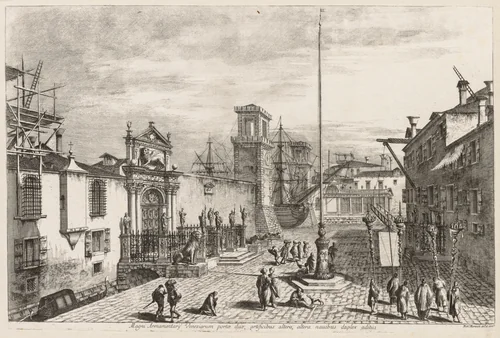
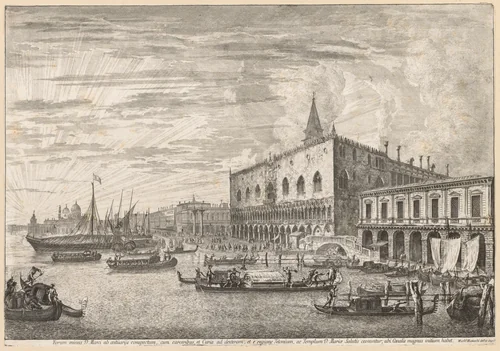
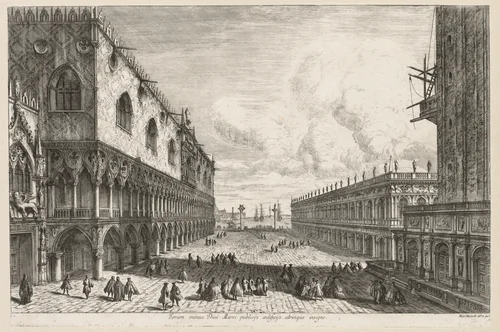
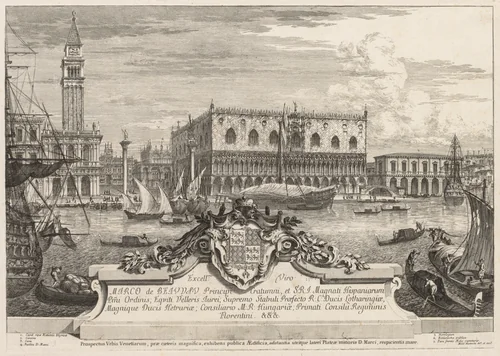
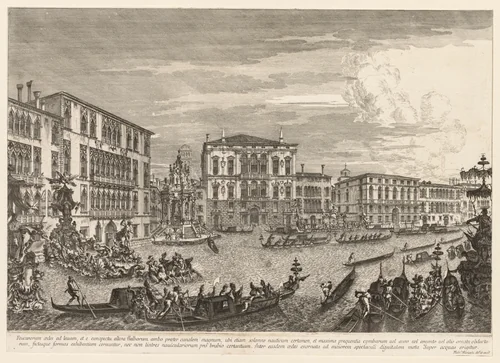
Although recognized for exceptional Michele Marieschi paintings, his influence was amplified through printmaking. His most significant graphic project was the series Magnificentiores Selectioresque Urbis Venetiarum Prospectus (Views of Venice), published in 1741. This collection of detailed engravings, featuring plates like Plate 9: The bridge and market of the Rialto, Venice, was highly sought after, broadening the distribution of his iconic compositions throughout Europe.
Marieschi’s profound contributions to the veduta tradition ensure his enduring legacy. Today, original works and preparatory sketches are preserved in eminent international institutions, including the Cleveland Museum of Art and the Metropolitan Museum of Art, serving as the benchmark for museum-quality viewing. Furthermore, a substantial portion of his graphic output is now in the public domain, allowing enthusiasts to access and appreciate high-quality prints of his definitive Venetian views.
Source: Wikipedia · CC BY-SA 4.0