Michael Wolgemut
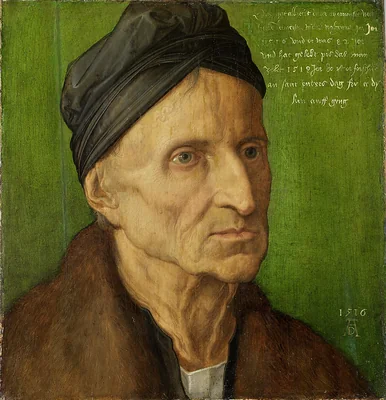
Michael Wolgemut (1434-1519) stands as one of the most vital, yet often historically understated, figures in the establishment of German print culture. Active in Nuremberg from 1454 until his death, Wolgemut operated a highly successful and technologically advanced workshop that served as a crucible for both traditional painting commissions and innovative mass-media woodcut production. While he is frequently remembered as the master who trained a young Albrecht Dürer, Wolgemut’s own commercial acumen and artistic output were instrumental in positioning Nuremberg as the dominant center for publishing in the Holy Roman Empire.
Wolgemut successfully navigated the artistic shift from the late Gothic style toward the emerging detail and naturalism of the Northern Renaissance. His workshop was comprehensive, encompassing both large-scale panel paintings and, crucially, the rigorous design and cutting of printing blocks. It is in the arena of the graphic arts that his influence was most deeply felt, providing the visual infrastructure for theological and historical texts that reached a vast audience.
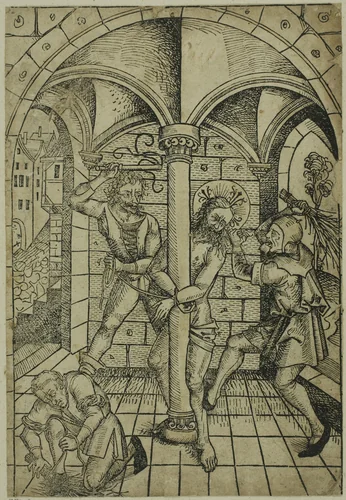
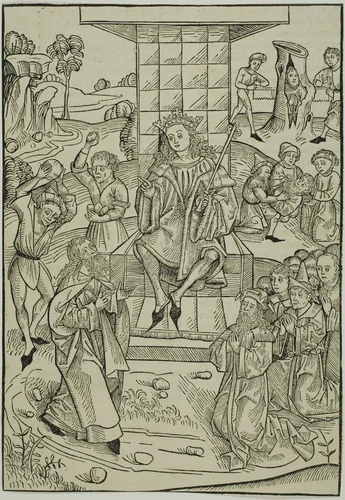
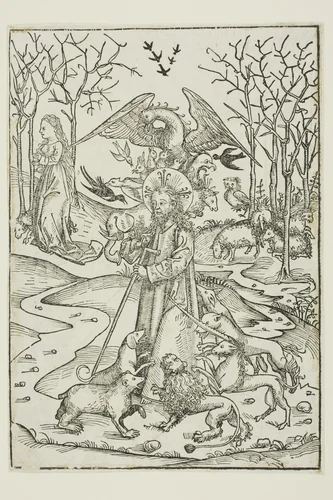
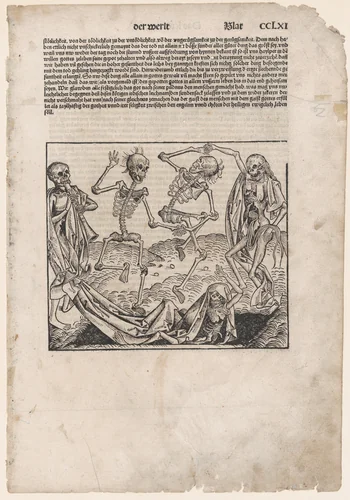
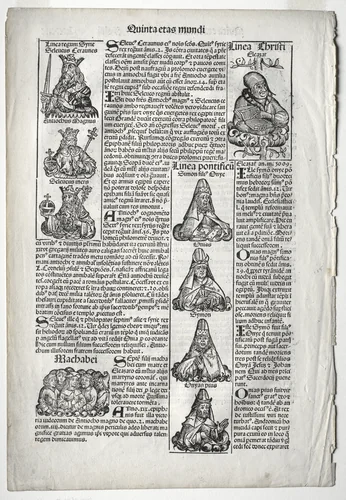
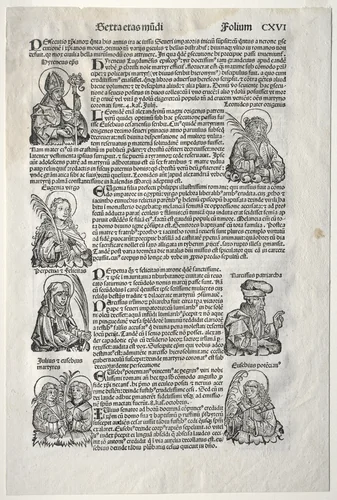
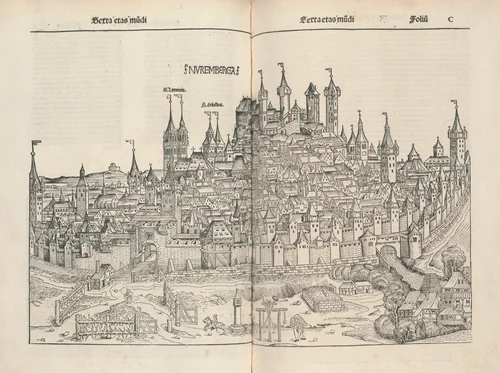
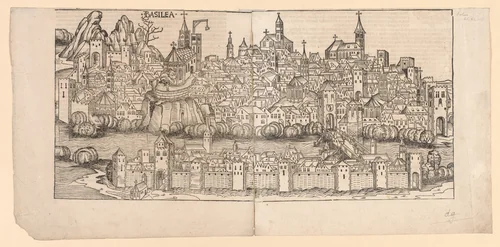
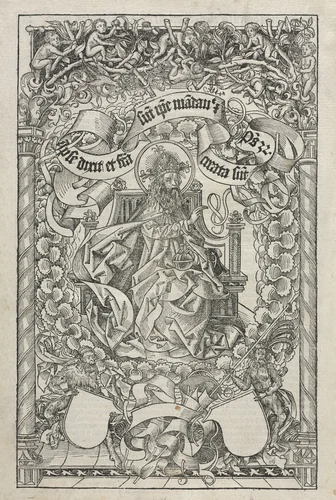
His most celebrated achievement was the extensive provision of illustrations for the 1493 Nuremberg Chronicle (or Weltchronik), a massive project chronicling world history. In collaboration with his stepson Hans Pleydenwurff, Wolgemut’s shop created thousands of distinct images, ranging from city views to evocative allegories such as the powerful Image of Death (Imago Mortis). Similarly, his contributions to the devotional volume Schatzbehalter (Treasury) included striking religious scenes like Christ Crowned with Thorns and Christ Bearing the Cross, prints marked by a profound emotional intensity characteristic of late fifteenth-century piety.
The success of Wolgemut’s enterprise hinged not only on artistic talent but on sophisticated production management. It is perhaps the highest testament to his organizational skill that a workshop producing such high-volume, historically monumental output maintained consistently high-quality prints. Today, these Michael Wolgemut prints are preserved in major institutions globally, including the National Gallery of Art. Many of his key pieces are now housed in the public domain, making high-quality prints accessible for scholarly research and appreciation.
Source: Wikipedia · CC BY-SA 4.0