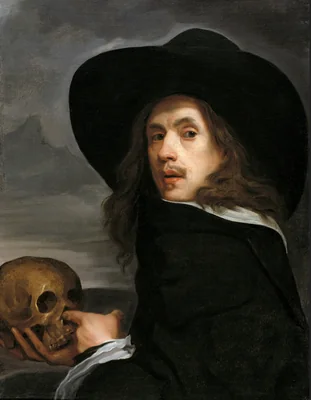
Michael Sweerts
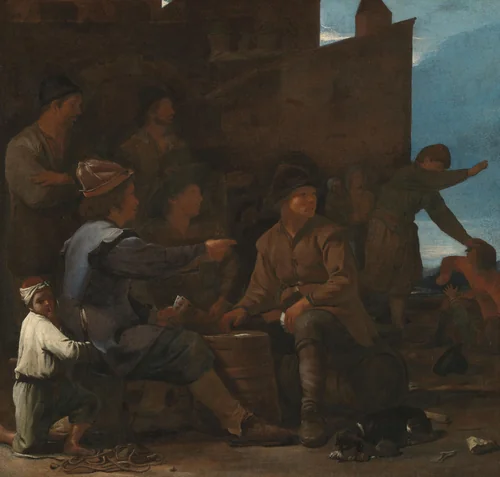
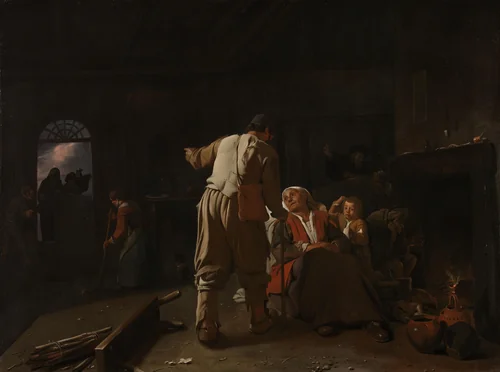
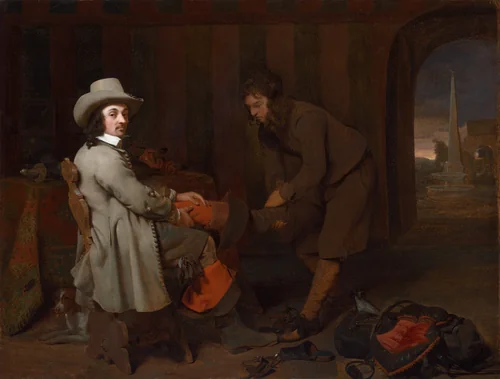
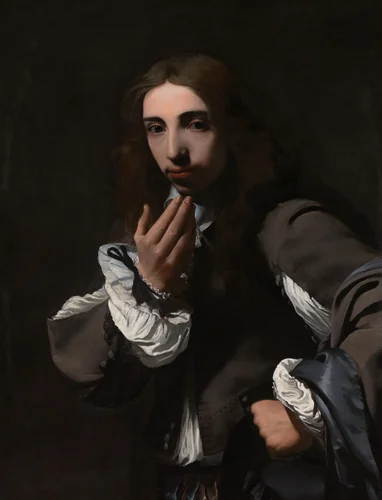
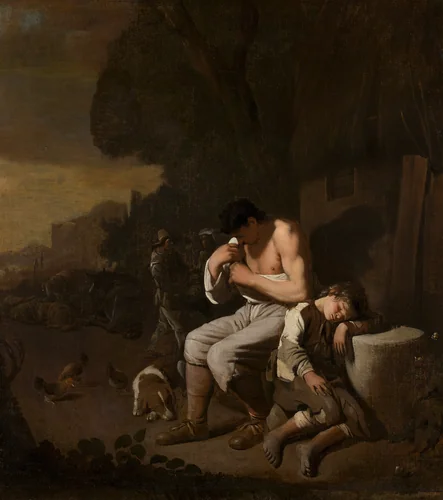
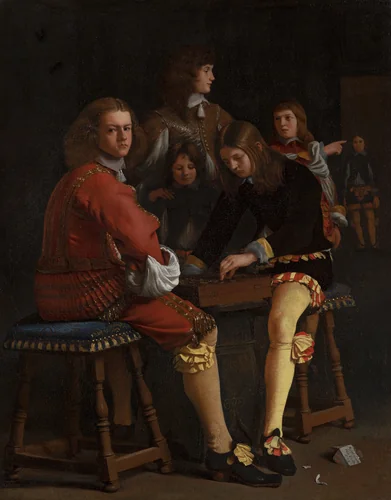
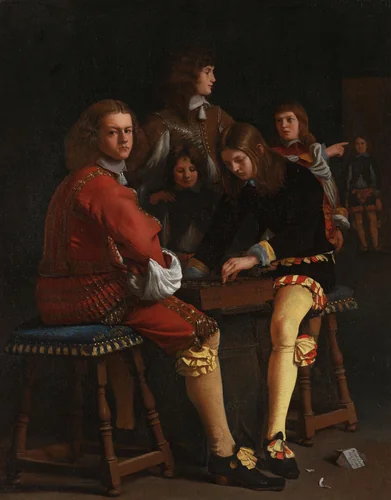
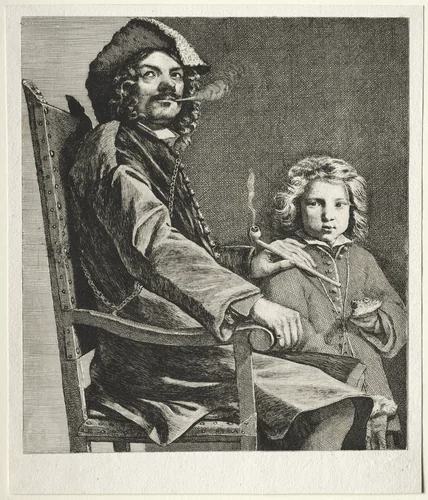
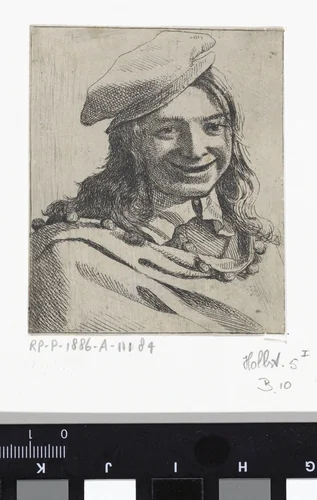
Michael Sweerts (1624-1664) was a highly individualistic Flemish painter and printmaker whose brief but potent career saw him traverse some of the furthest reaches of the Baroque art world. An artist of unusual mobility, Sweerts is renowned for his compelling fusion of Northern European genre tradition, character study (tronies), and the classical influences absorbed during his formative years in Italy. His concise body of work is considered museum-quality, confirming his place among the most sophisticated realist painters of his era.
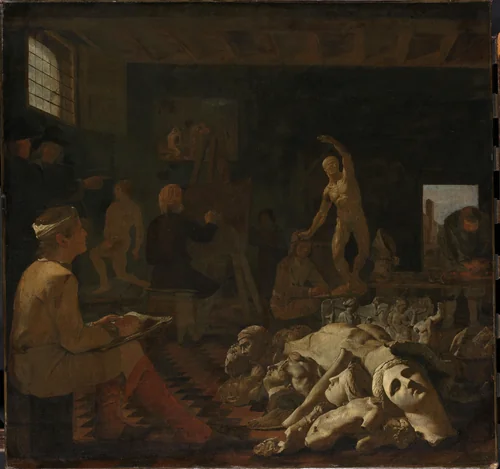
Sweerts established his reputation during his lengthy residence in Rome. While he was nominally associated with the Schildersbent, the collective of Northern artists known for their boisterous lifestyle, Sweerts’s work and reported demeanor suggest a temperament far more reserved and focused on meticulous observation than the group’s notorious antics. This discipline is evident in compositions like A Painter’s Studio, which functions not merely as an interior scene but as a formal meditation on the mechanics and status of painting itself.
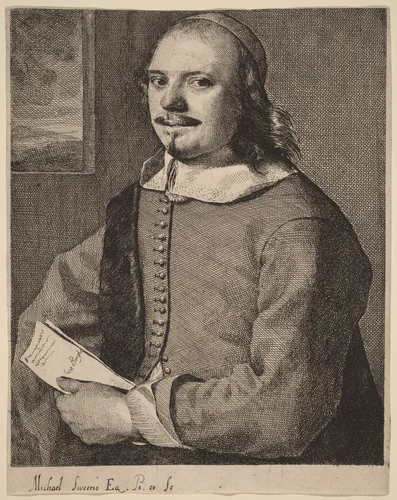
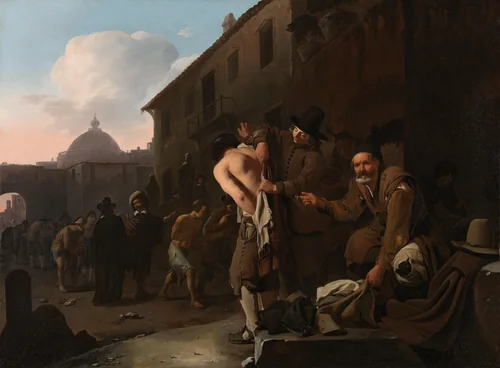
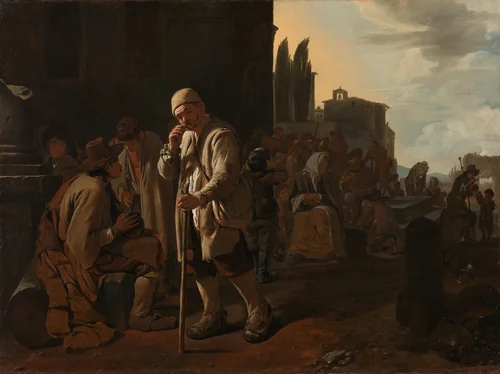
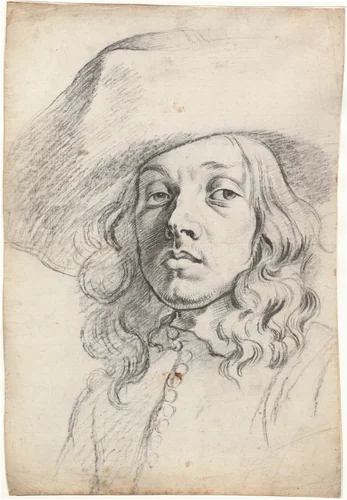
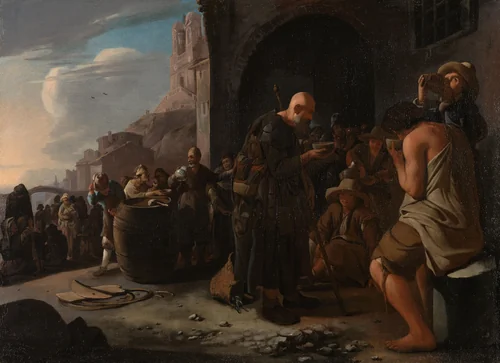
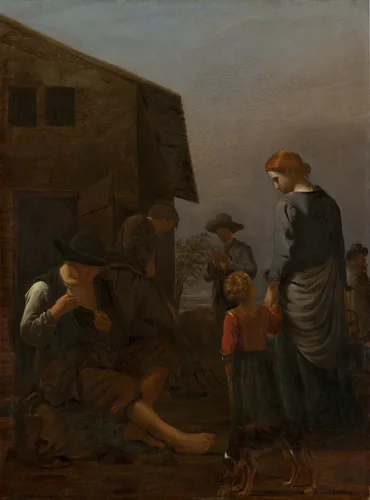
His subjects often focused on didactic themes and social commentary. Upon returning north to Brussels and later Amsterdam, Sweerts produced a remarkable series depicting the Acts of Mercy. In works such as Clothing the Naked and Feeding the Hungry, he presented human need with stark, unvarnished dignity, utilizing his keen sense of light and shadow to imbue the figures with a powerful psychological presence. His proficiency extended equally to portraiture, as demonstrated by the sensitive likenesses of figures like Willem van der Borcht and Jan van den Enden.
Sweerts’s career ended unexpectedly in 1661 when he abandoned painting to join a missionary effort, traveling through Persia and ultimately dying in Goa, India. This final, dramatic relocation underscores the extraordinary trajectory of his life, distinguishing him uniquely from his contemporaries. Though many Michael Sweerts paintings and prints remain in exclusive public and private holdings, a number of his striking images have entered the public domain, offering opportunities for scholars and enthusiasts to access downloadable artwork and high-quality prints for study and appreciation.
Source: Wikipedia · CC BY-SA 4.0