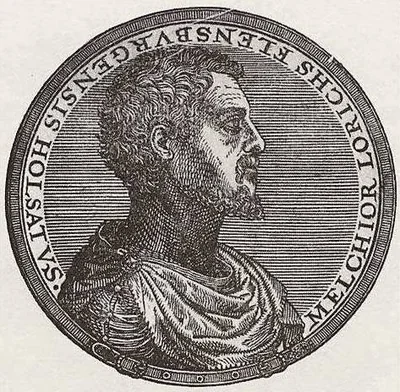
Melchior Lorck
Melchior Lorck (1540-1614) stands as a pivotal figure in Northern Renaissance art, recognized for his expansive practice as a painter, draughtsman, and master printmaker of Danish-German heritage. His historical importance rests on two foundational pillars: he is considered the first Danish artist of whom a significant biographical and attributable artistic record survives, and he generated a visual archive of 16th-century Turkey unparalleled in its detail and scope. This body of work, captured across years of travel and intensive observation, remains a unique and irreplaceable primary resource for cultural historians and ethnographers.
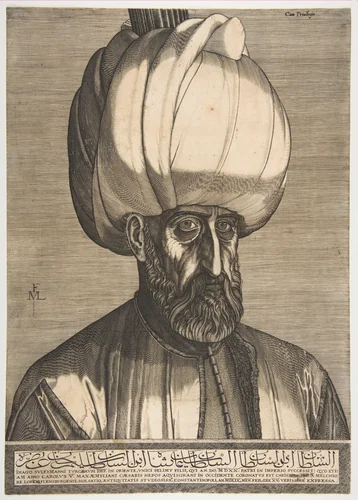
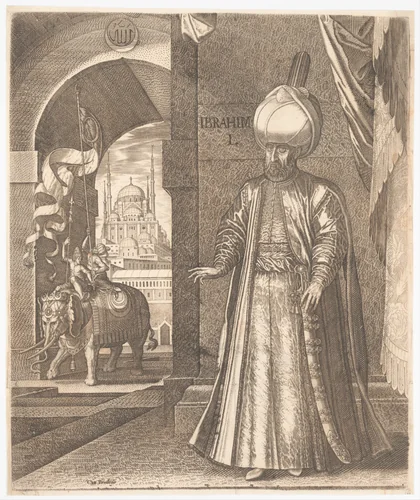
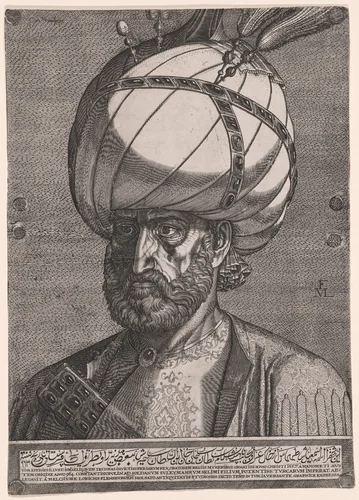
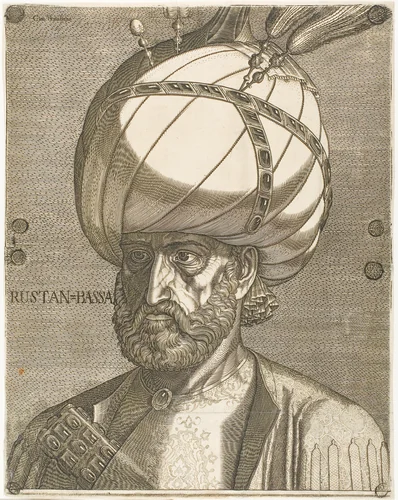
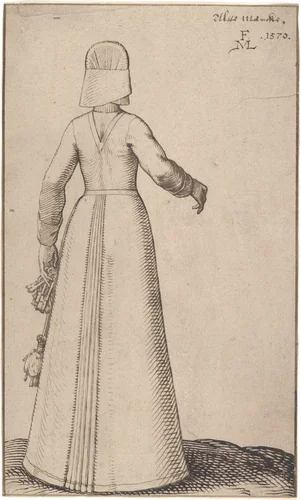
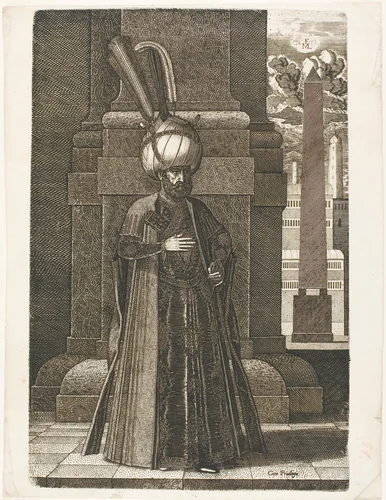
Lorck’s documentation of the Ottoman Empire moves beyond typical Renaissance exoticism or fleeting travelogue. His meticulous rendering of court life, military attire, infrastructure, and daily customs provided European audiences with an unprecedented, high-fidelity view of the superpower to the East. Works such as his detailed portrait of the Sultan, Süleyman the Magnificent, are not merely likenesses but carefully composed records of imperial presentation, intended to function as authoritative visual data. The depth of detail suggests an artist less interested in caricature than in exhaustive, almost administrative visual cataloging—a dedication surprising for a foreign visitor, and one that elevates his status beyond mere chronicler to pioneering visual ethnographer.
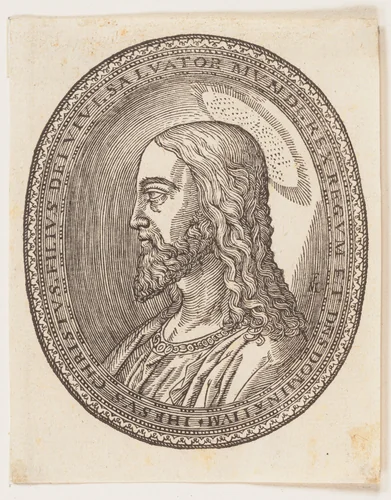
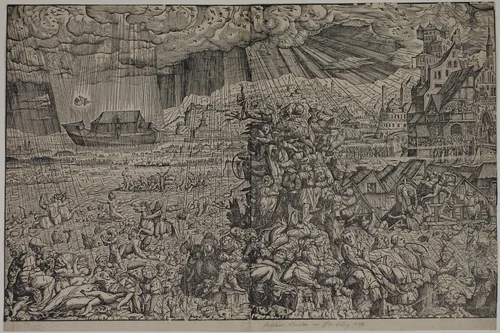
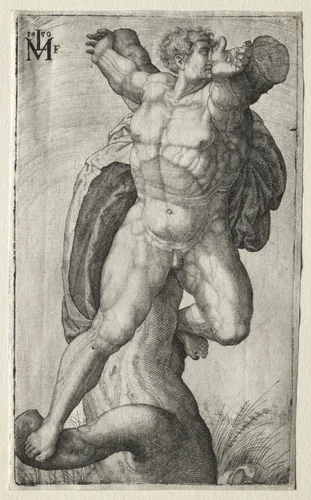
While celebrated for his documentary prints, Lorck's artistic output demonstrates significant technical and thematic versatility. His oeuvre encompasses profound religious subjects like the dramatic woodcut The Deluge, alongside classical studies such as Christ, left profile, and intimate anatomical observations exemplified by Crucified Man. The complexity of his engravings solidified his reputation as a master technician in an age where printmaking was rapidly accelerating. Today, institutional holdings of Melchior Lorck prints are maintained by major institutions, including the Metropolitan Museum of Art, the Art Institute of Chicago, and the Cleveland Museum of Art, testifying to the enduring museum-quality of his historical work. Much of this important visual legacy is now available through public domain initiatives, ensuring widespread accessibility to high-quality prints and allowing researchers to study this foundational artist.
Source: Wikipedia · CC BY-SA 4.0
![[Wohlgerissene und geschnittene Figuren ... ] by Melchior Lorck, book, 1614-1631](https://img.artbee.org/c7d47c14-6923-44b8-9467-cc7a7c0ae712/small.webp)