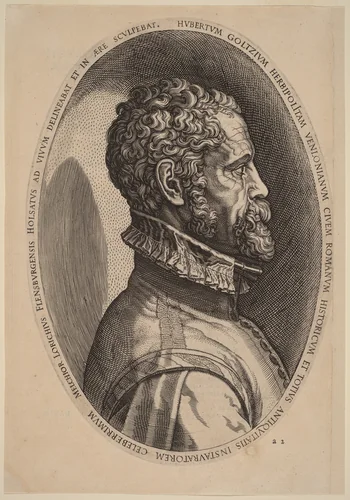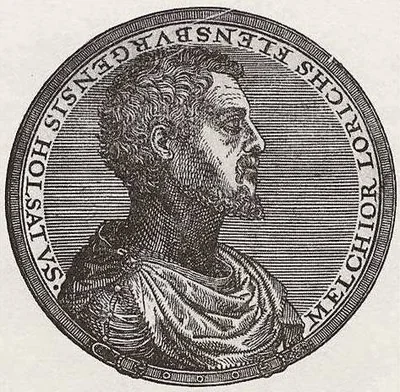
Melchior Lorch
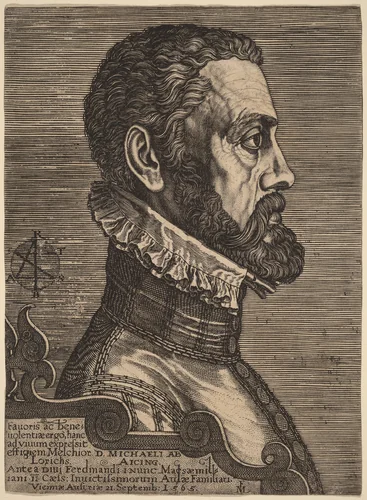
Melchior Lorch (circa 1527-1590), a painter, draughtsman, and master printmaker of Danish-German provenance, occupies a unique position in Northern Renaissance art history. He is distinguished not only as the first Danish artist for whom a substantial biography and attributable corpus of work can be firmly established but, more significantly, for undertaking one of the most ambitious ethnographic projects of the sixteenth century.
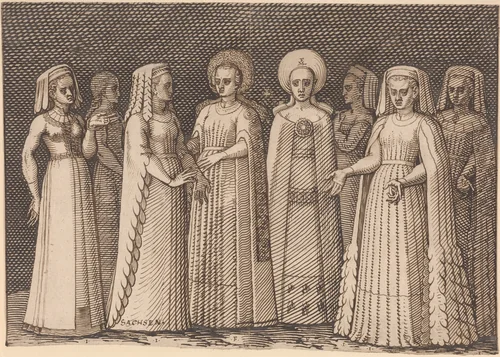
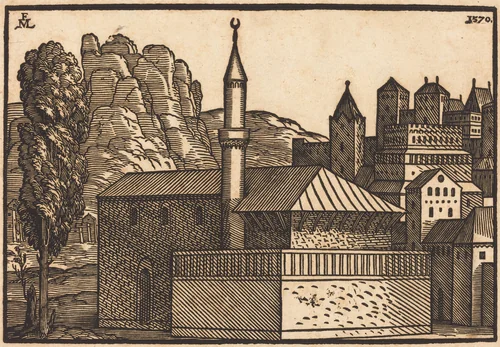
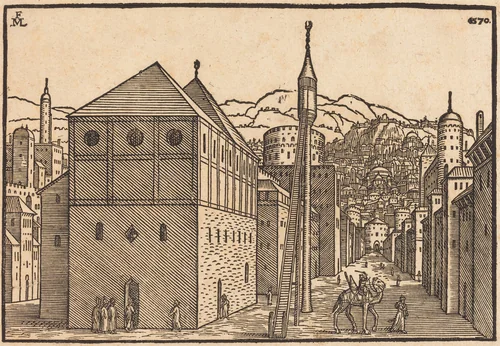
Lorch’s primary fame rests upon his monumental visual documentation of the Ottoman Empire. Having traveled extensively and observed meticulously while in the service of Emperor Ferdinand I, he compiled what remains the most thorough and detailed visual record of 16th century Turkish life and customs. This body of work transcended mere illustration, serving as an invaluable, unique primary source for historians and scholars exploring the social structures, architecture, military organization, and daily attire of the era. This dedication to ethnographic observation places him among the period’s most meticulous documentary artists, a distinct counterpoint to the purely mythological or religious narratives dominating contemporary European artistic output.
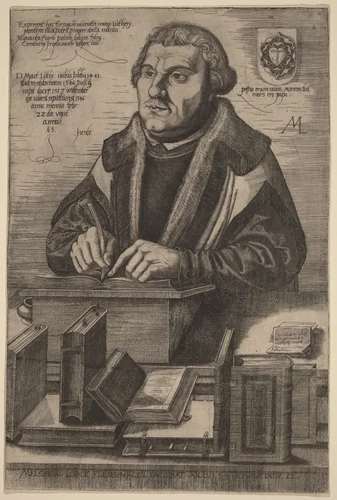
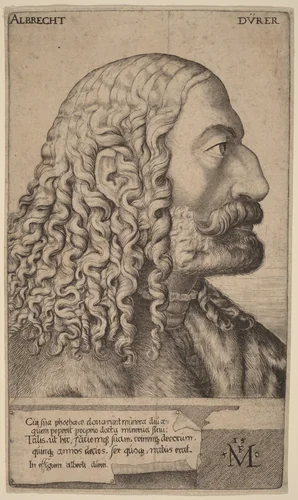
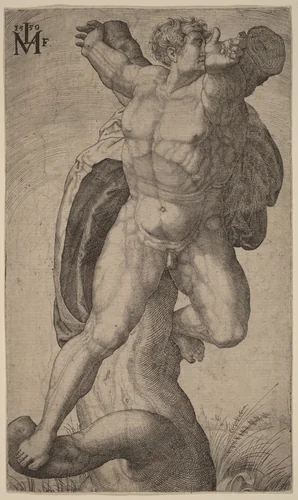
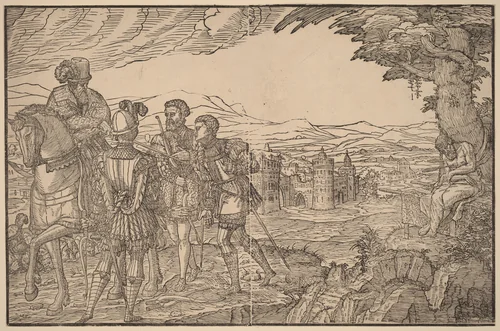
While revered for his travel documentation, Lorch demonstrated significant proficiency in traditional portraiture and classical subjects, confirming his rigor across media. This range is evident in works such as his engravings of the seminal religious figure Martin Luther and the great German master Albrecht Dürer, or the highly detailed drawing The King's Son. The quality of the surviving eight prints and single drawing confirms his technical mastery, often utilizing engraving and woodcut to disseminate highly specific visual information. It is perhaps worth noting that Lorch was a relentless advocate for the accuracy of his own visual depictions, a quality that likely explains his ability to secure sustained royal patronage for such a long and complex endeavor.
The surviving corpus of Melchior Lorch prints and drawings, held in prominent institutions like the National Gallery of Art, ensures his continuing historical relevance. Due to the age of the original plates, much of this historical depiction is now available in the public domain. This accessibility allows researchers and collectors alike to study or acquire high-quality prints and downloadable artwork, ensuring that Lorch's unique contribution to Renaissance visualization endures long after the historical customs he documented have passed from daily existence.
Source: Wikipedia · CC BY-SA 4.0