Mei Qing
Mei Qing (1623-1690) remains a significant painter, calligrapher, and poet of the early Qing Dynasty, achieving mastery across the traditional "Three Perfections" central to the literati tradition. His active career, spanning nearly seven decades, yielded exceptional shan shui (mountain and water) paintings, many of which are now held in major Western institutions, including the Metropolitan Museum of Art and the Cleveland Museum of Art, confirming his stature within the canon of 17th-century Chinese art.
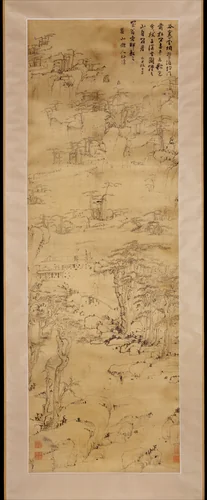
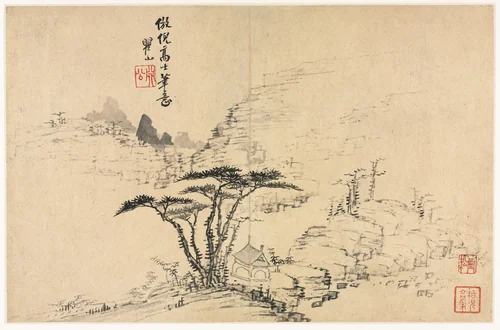
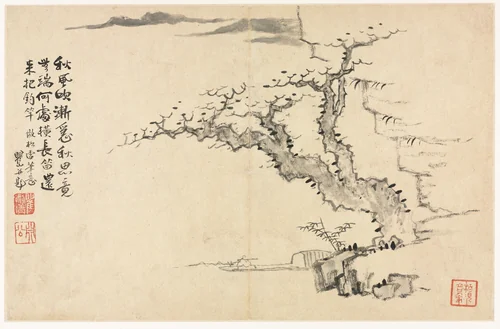
Mei Qing’s artistic identity was forged in a dual commitment: rigorous study of historical precedent and the immersive, almost documentary, depiction of specific geographical locales. While much of his early work engaged in necessary academic practice, evident in titles such as Landscapes after Various Styles of Old Masters, he utilized these historical dialogues as a platform for increasingly personal expression. This methodical absorption of the past allowed him to develop a visual vocabulary that felt both classically grounded and intensely individual.
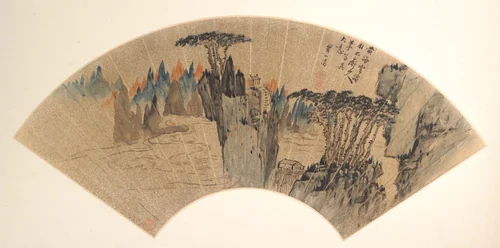
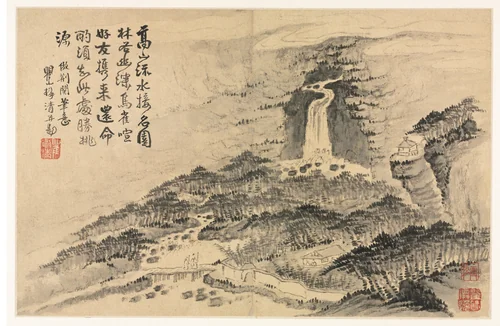
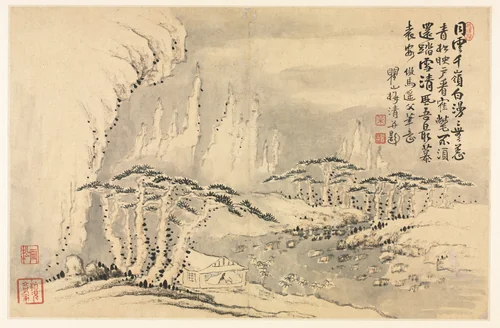
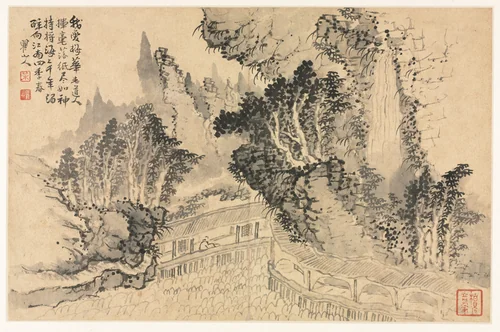
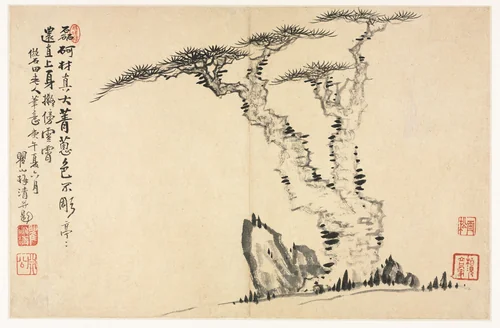
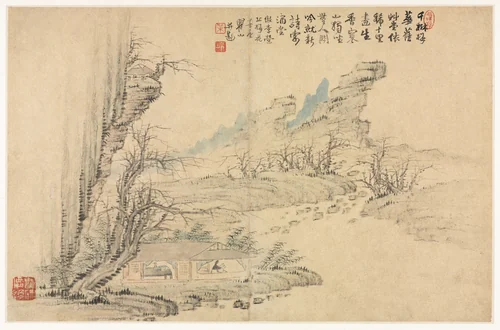
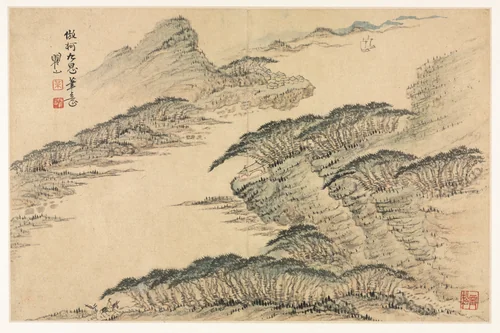
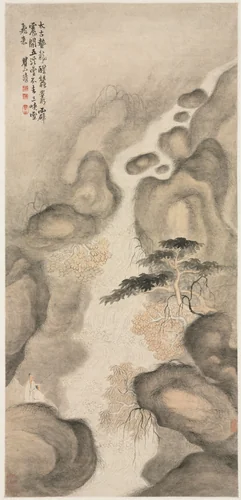
His true distinction emerged in his sustained, almost obsessive, documentation of Mount Huang (Yellow Mountain). Unlike contemporaries who favored generalized, conceptual renderings of scenery, Mei Qing returned to this sacred site repeatedly, translating its sheer cliffs, volatile mists, and gnarled pines into a cohesive style that defined his maturity. Works such as Peaks of Mount Huang and Strolling in a Misty Valley illustrate a dedication to precise observation interwoven with calligraphic energy, often capturing the ephemeral atmospheric conditions that lend the peaks their mystique. The enduring appeal of these classic Mei Qing paintings ensures their preservation and continued study.
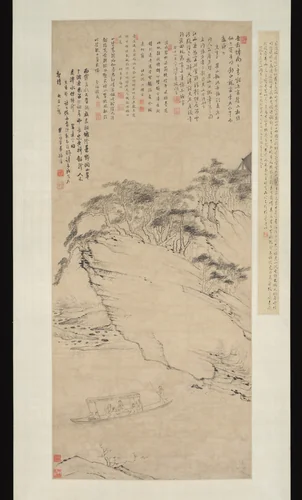
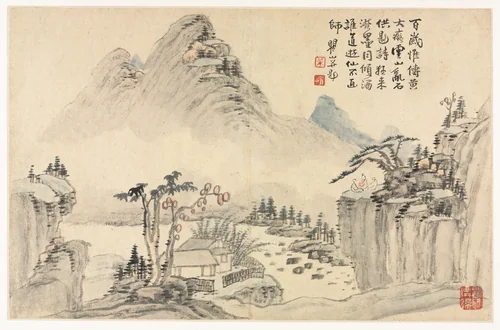
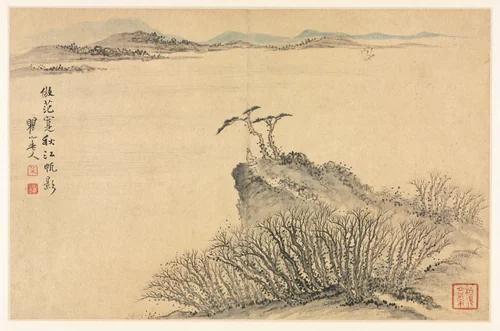
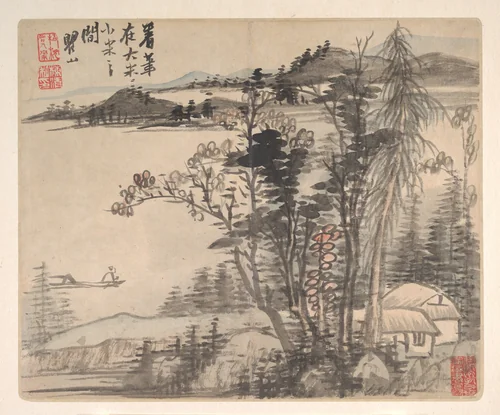
The technical precision and sophisticated composition evident in pieces like Boating beneath Echo Hill cemented his reputation as a crucial innovator who perfected the synthesis of poetry, brushwork, and natural observation. Because many of these classic images have entered the public domain, high-quality prints are widely available today, offering researchers and enthusiasts royalty-free access to some of the most refined examples of Qing Dynasty painting. Mei Qing stands, ultimately, not merely as a follower of tradition, but as the definer of a landscape aesthetic that remains foundational to the literati ideal.
Source: Wikipedia · CC BY-SA 4.0