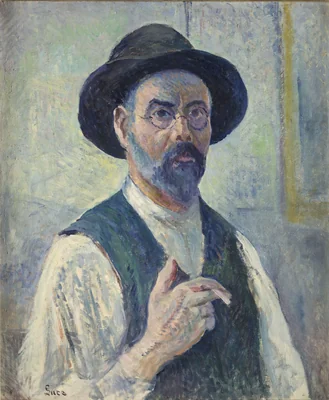
Maximilien Luce
Maximilien Luce (1858-1941) occupies a pivotal position in the evolution of French post-Impressionist drawing and painting, celebrated particularly for his engagement with both aesthetic innovation and pressing social concerns. A versatile artist, Luce’s career mapped the major artistic shifts of the late nineteenth century, transitioning adeptly across styles while maintaining a core commitment to keenly observed reality.
Luce began his professional life not in the studio, but as a skilled wood-engraver, an early discipline that contributed to the sharp clarity and structural rigor evident in his later graphic works. This technical foundation proved invaluable when he subsequently concentrated on painting, moving rapidly through various aesthetic methodologies. Initially embracing the loose brushwork and spontaneous observation of Impressionism, Luce soon became a central adherent of Neo-impressionism. Within this movement, he applied the meticulous, scientific approach of Pointillism, creating canvases characterized by systematic color division and luminous effect. Later in life, he returned to a more fluid, traditional Impressionist handling, showcasing his lifelong technical mastery.
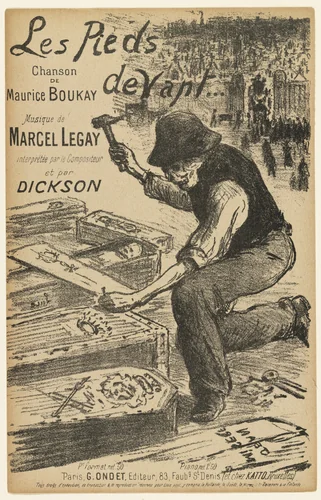
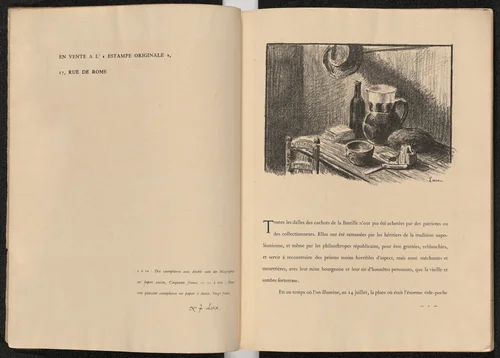
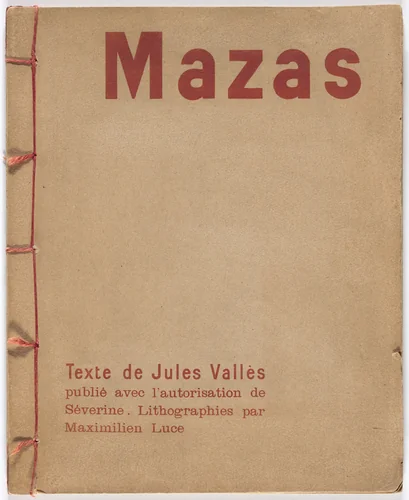
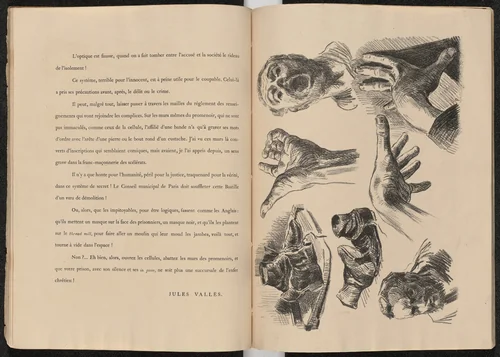
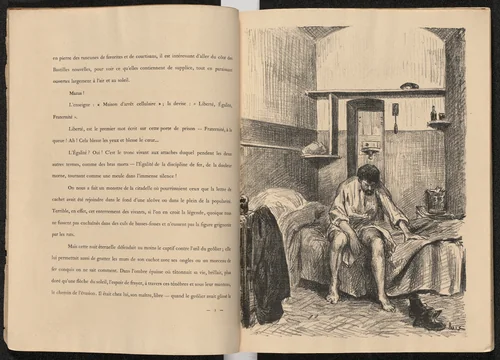
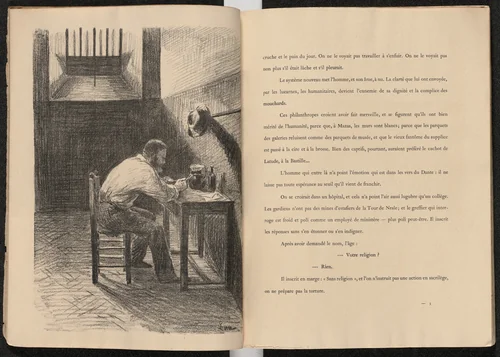
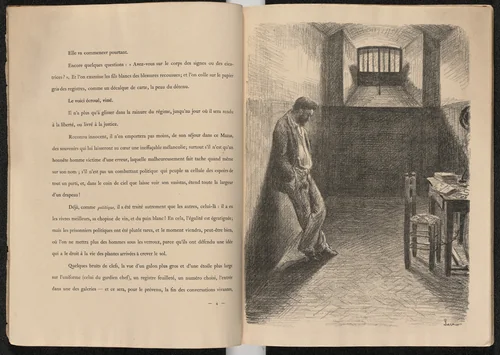
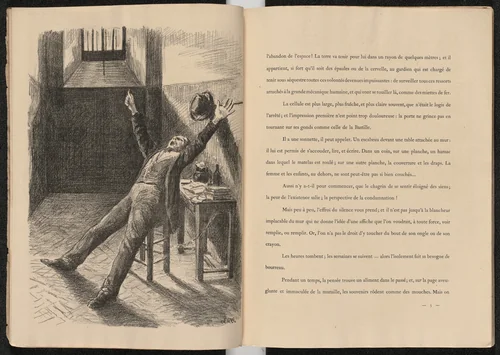
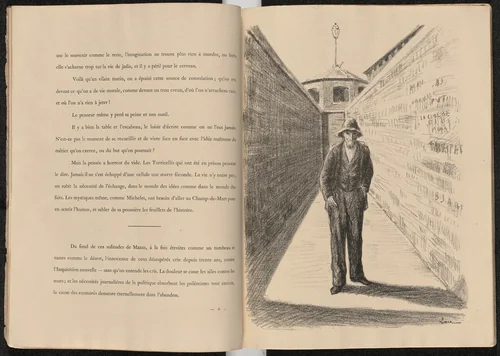
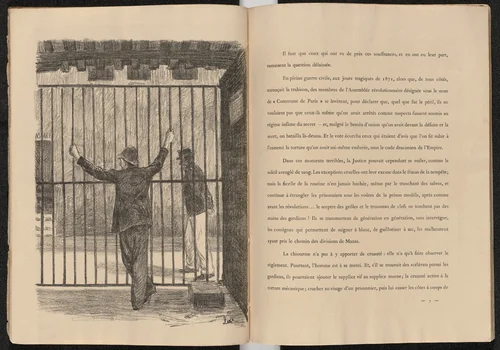
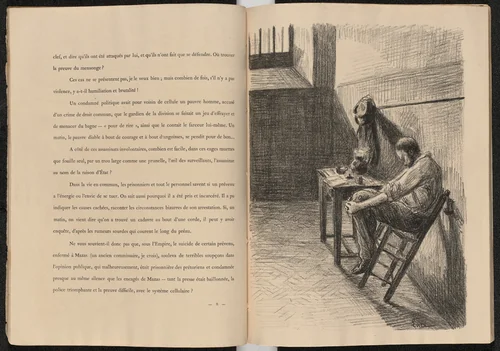
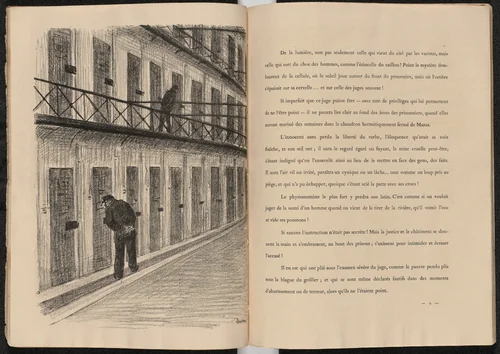
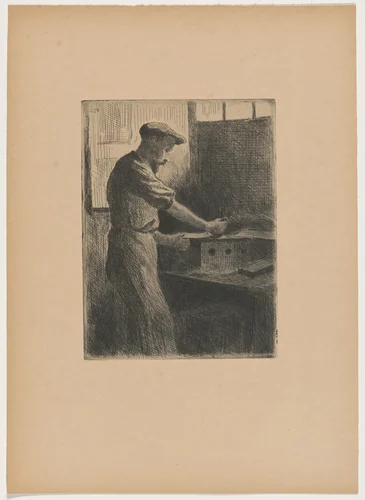
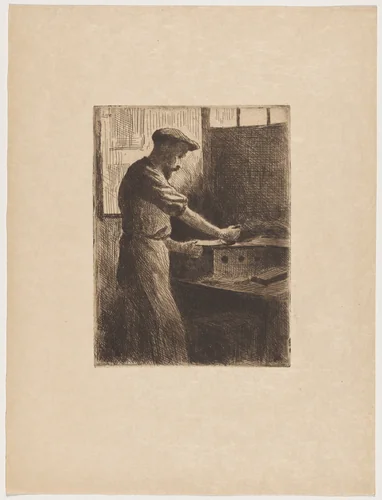
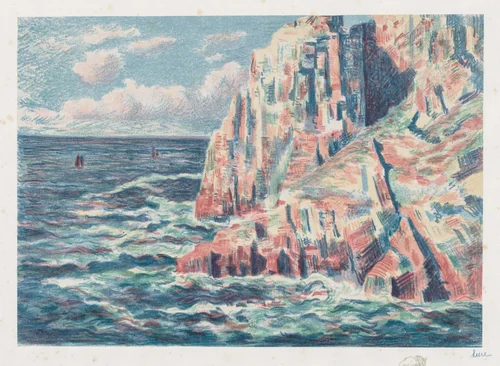
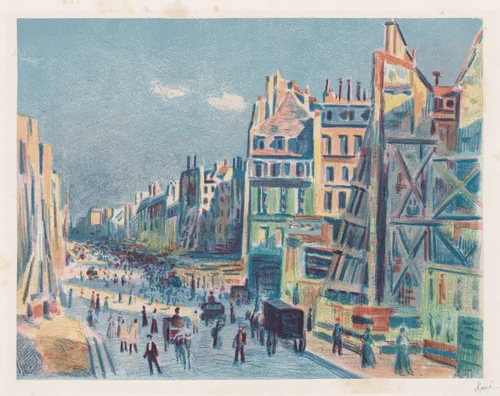
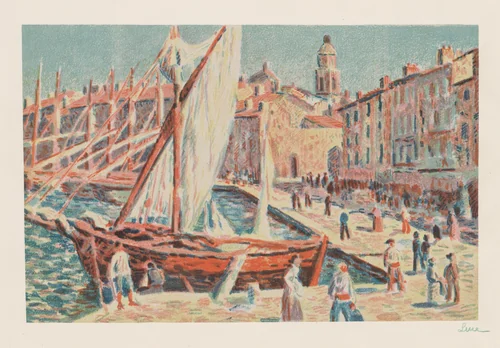
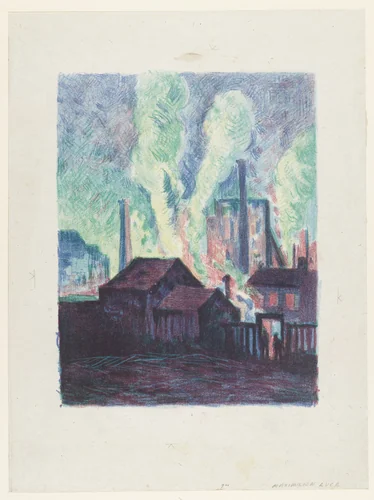
Between 1890 and 1895, Luce was particularly prolific in graphic media, producing at least eleven illustrated books and numerous standalone prints. These works often addressed contemporary Parisian life and, notably, reflected his deeply held anarchist beliefs. His illustrations for works such as Mazas, including plates like Feet First (Les Pieds devant), demonstrate his capacity to distill complex social narratives into striking visual compositions. It is perhaps this willingness to tackle subjects ranging from intimate domestic scenes to politically charged industrial settings that provides his oeuvre with its distinctive weight and enduring relevance.
Luce’s influence persists, his work having secured places in foundational American institutions including the Museum of Modern Art, the Art Institute of Chicago, and the National Gallery of Art. For those interested in studying the mechanics of fin-de-siècle graphic production, his output offers unique insight; many Maximilien Luce prints and illustrations are now in the public domain, offering downloadable artwork for study. His legacy is one of rigorous experimentation coupled with social empathy, ensuring his ongoing status as a key transitional figure in modern French art.
Source: Wikipedia · CC BY-SA 4.0