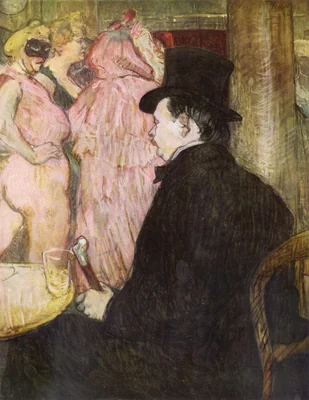
Maxime Dethomas
Maxime-Pierre Jules Dethomas (1861-1929) was a prominent French painter, draughtsman, and printmaker whose influence transcended the studio, profoundly shaping the visual culture of the stage during the fin-de-siècle. Highly regarded by his contemporaries, Dethomas maintained a visible presence both within France and abroad, exhibiting widely and contributing regularly to influential journals, notably Impressionistes et Symbolistes. His enduring significance is underscored by the inclusion of his graphic works in major American collections, including the Museum of Modern Art and the National Gallery of Art.
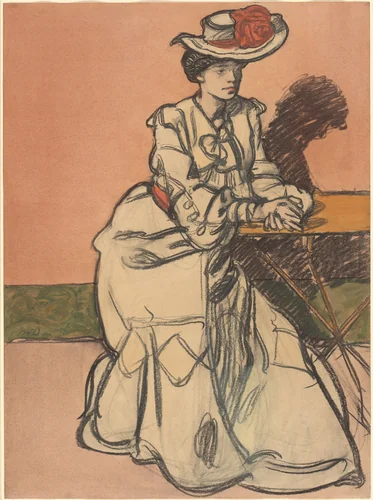
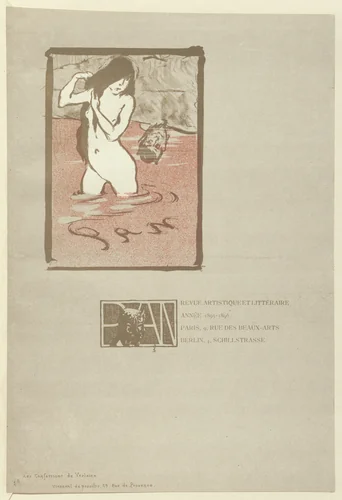
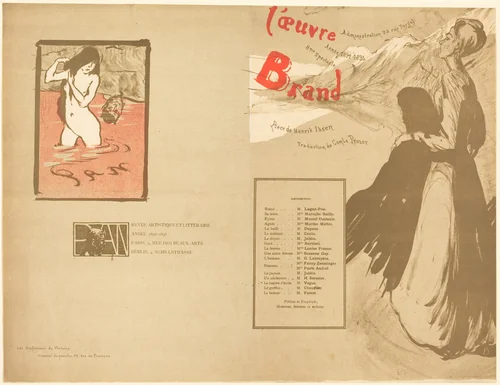
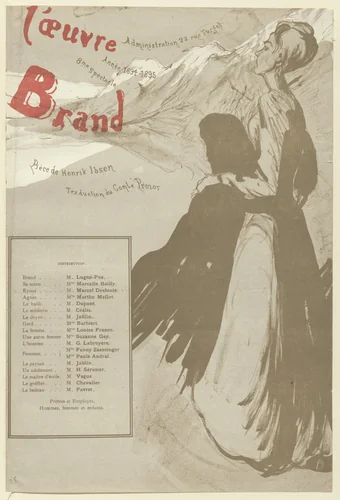
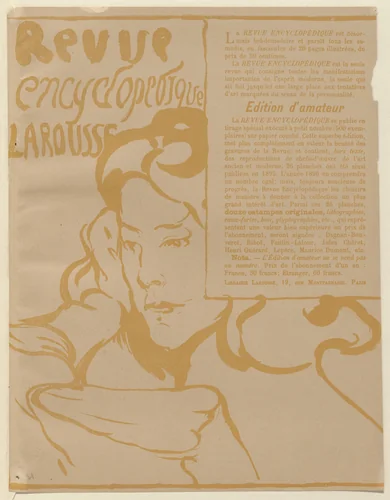
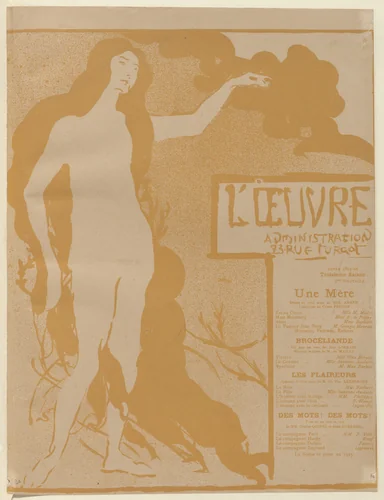
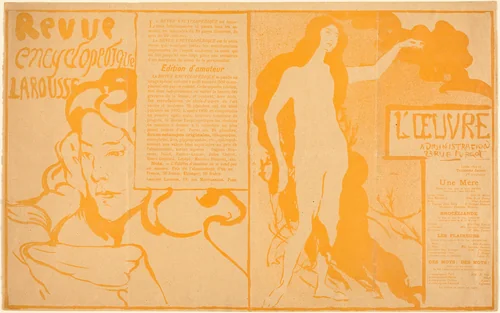
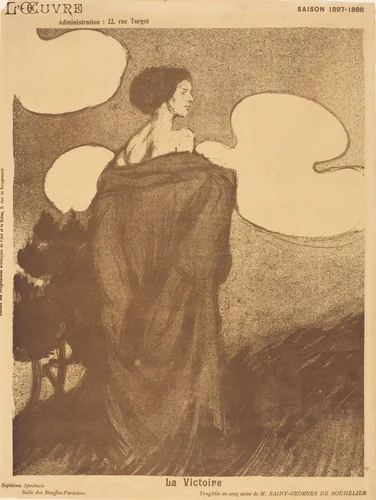
Dethomas’s graphic work, active particularly between 1890 and 1898, captures the sophisticated energy of the modern Parisian subject. Through lithography and drawing, he distilled the essential character of urban life, evident in pieces like An Elegant Parisiènne Seated in a Café. Simultaneously, his work as a commercial illustrator secured his visibility. His designs for periodicals, such as the sophisticated advertisements for Revue encyclopédique Larousse or program designs for Ibsen’s Brand, demonstrate his dexterity in applying fine art principles to the nascent field of graphic design. The surviving collection of Dethomas prints and drawings illustrates his ability to move seamlessly between subtle caricature and evocative illustration.
Beyond his easel work, Dethomas was an essential figure in modern art’s institutional formation. He served as a founding committee member of the Salon d'Automne, a platform crucial for challenging the academic establishment and providing exposure for avant-garde artists. This organizational role suggests his influence was structural as well as aesthetic, placing him at the nexus of administrative power and artistic innovation.
Perhaps his most far-reaching impact lay in his exceptional work as a theater-set and costume designer, an arena where he was among the best known practitioners of his generation. Dethomas demonstrated a rare ability to translate two-dimensional draughtsmanship into evocative, three-dimensional stage environments. This broad contribution to French culture was formally recognized in 1912, when he was awarded the Chevalier de la Légion d'honneur. Today, many of his artworks are available in the public domain, ensuring scholars and enthusiasts can access high-quality prints and drawings, studying the subtle artistry of this complex modern figure.
Source: Wikipedia · CC BY-SA 4.0