Max Rosenthal
Max Rosenthal was a significant Polish-American artist whose active period between 1885 and 1899 established him as a master of the reproductive arts in the United States. Proficient across multiple disciplines, he was a skilled painter, draftsman, etcher, and, critically for his legacy, a highly sophisticated lithographer. Operating during the final quarter of the nineteenth century, Rosenthal capitalized on the era’s demand for precise, reproducible imagery, translating original artworks and sketches into accessible, museum-quality prints.
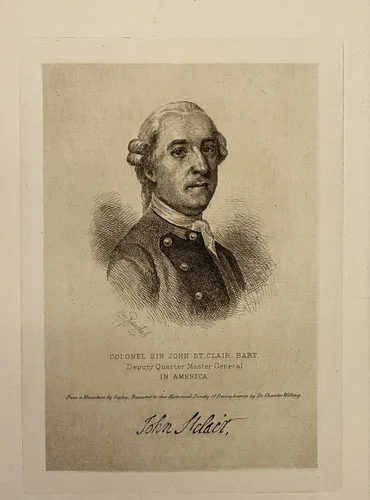
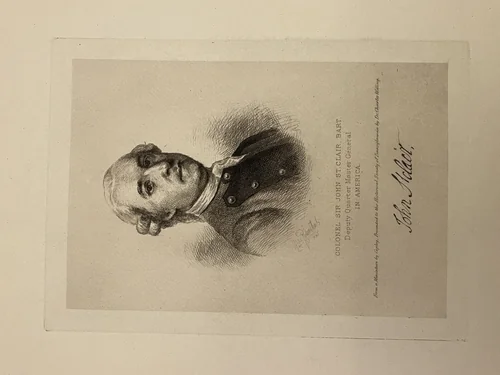
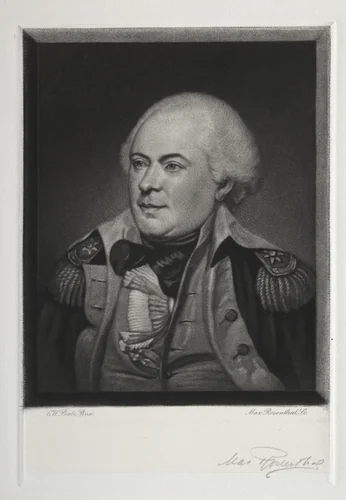
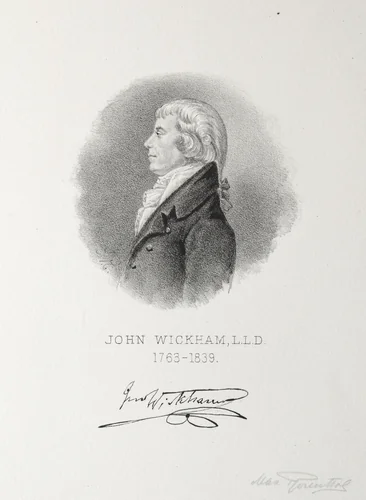
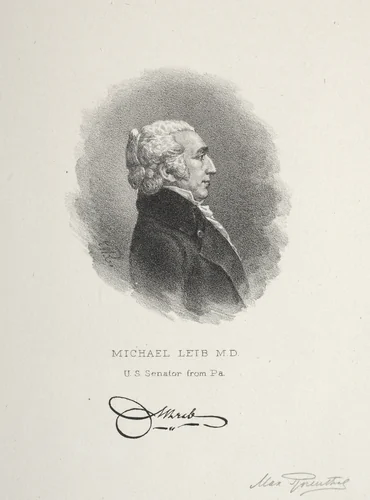
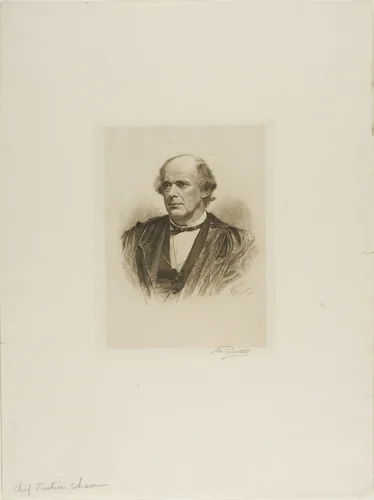
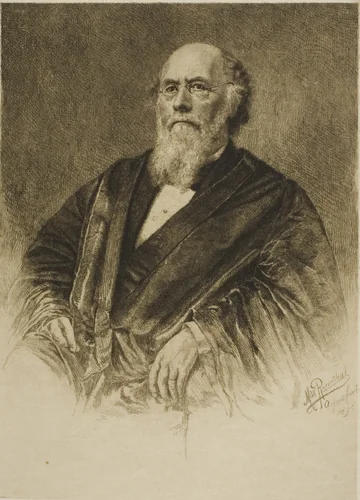
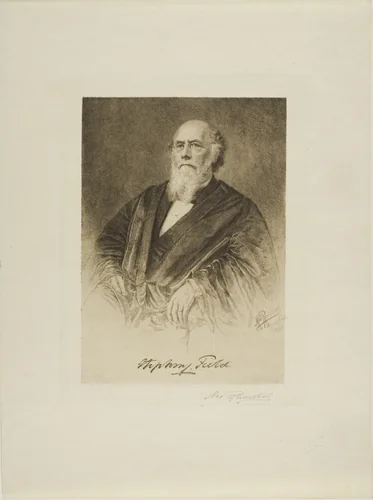
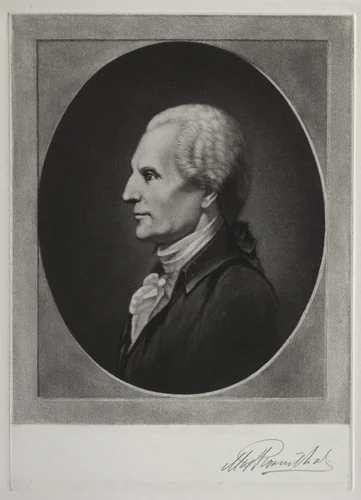
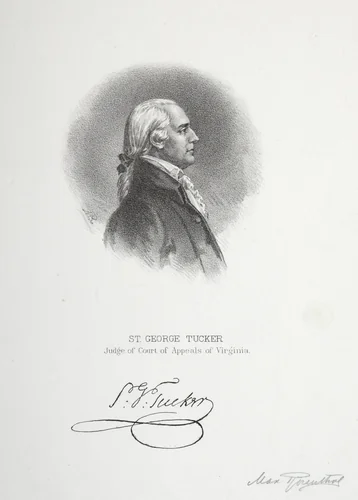
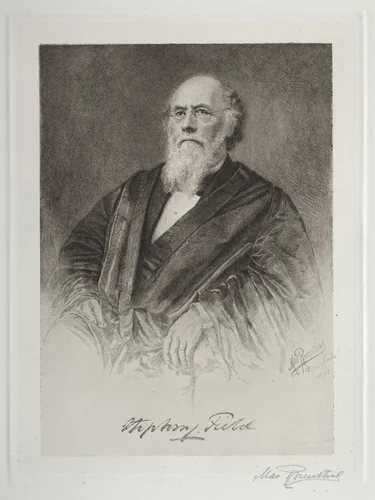
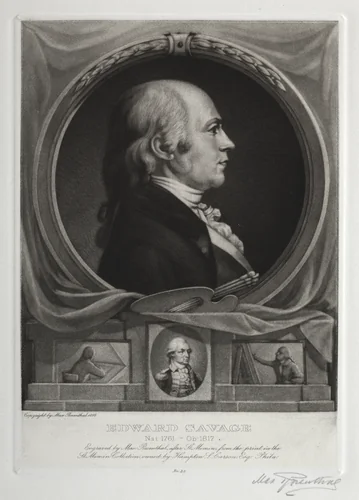
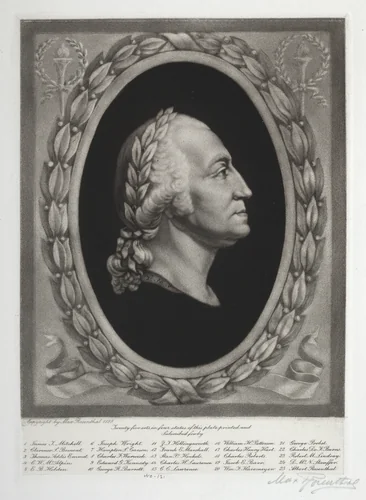
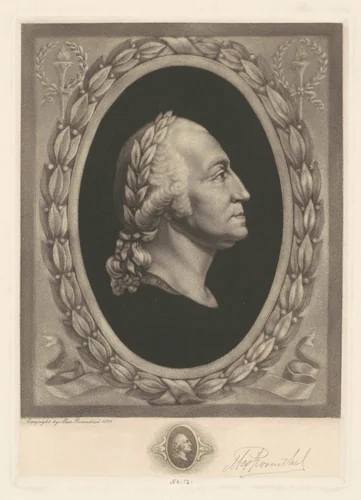
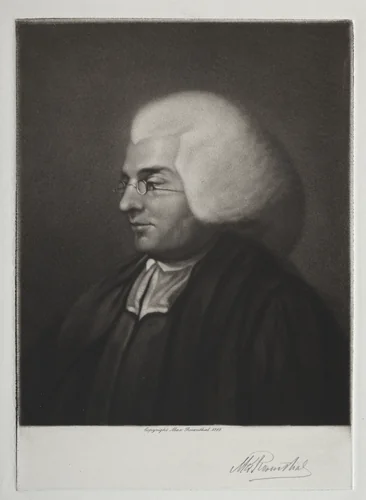
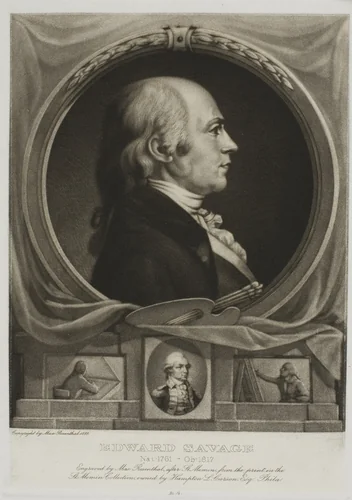
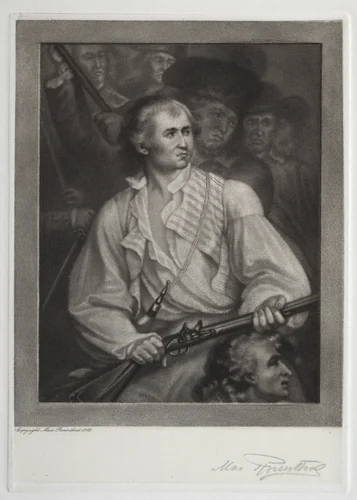
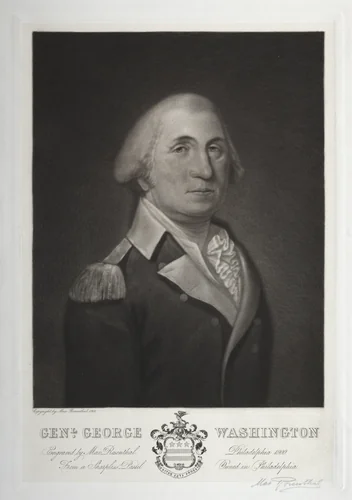
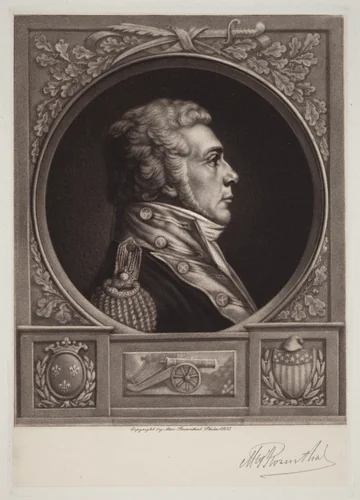
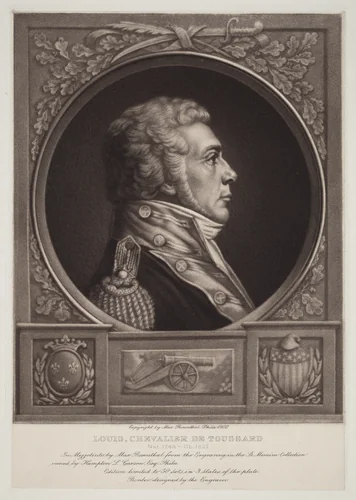
Rosenthal’s primary specialization lay in the field of historical and political portraiture. His output consisted largely of finely rendered likenesses of key figures from the American legal and military establishment. Works such as General James Wilkinson, Colonel John St. Clair Bart, and the detailed study of Michael Lieb, M. D., showcase the technical assurance required to execute these complex plates. His lithographic technique was instrumental in documenting the physiognomies of the nation’s founders and post-Revolutionary figures, providing durable visual records that circulated widely in historical texts and collected portfolios.
Indeed, Rosenthal appears to have had a particular, perhaps meticulous, aptitude for translating the severe dignity of American founding-era power brokers, suggesting that few artists of his generation spent more focused time contemplating the intricacies of judicial and military dress collars.
Though the market for Max Rosenthal paintings was limited, his impact through graphic arts remains undisputed. The precision and technical control evident in his output of Max Rosenthal prints cemented his reputation as a key chronicler of the period. His work is now represented in prestigious collections across the country, including the National Gallery of Art, the Cleveland Museum of Art, and the Art Institute of Chicago, securing his permanent place in the canon of American printmakers. Furthermore, due to the age of the works and their institutional preservation, many of these historical portraits are now fully in the public domain, making high-quality prints and downloadable artwork available for scholarly research and appreciation worldwide.