Max Pechstein
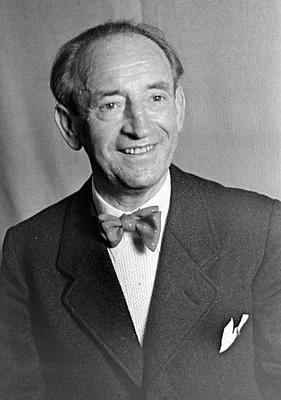
Hermann Max Pechstein (1881-1955) stands as one of the definitive figures of early German Expressionism, lending both structure and a vivid chromatic intensity to the radical movement. As a vital member of the Dresden-based artists’ collective Die Brücke (The Bridge), Pechstein helped define the group’s ambition to break with academic tradition and channel raw, subjective emotion into forceful visual statements. His influence was crucial in moving German modernism toward a more decorative and boldly colored aesthetic compared to the starker psychological intensity of some of his contemporaries.
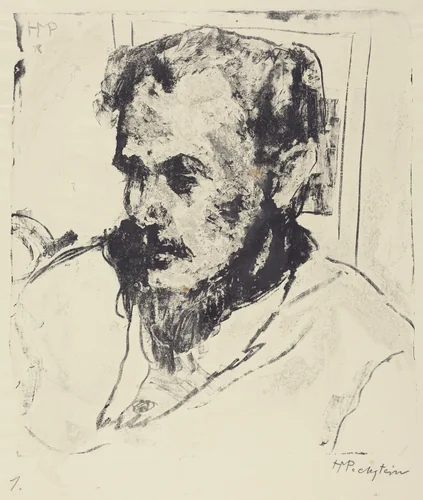
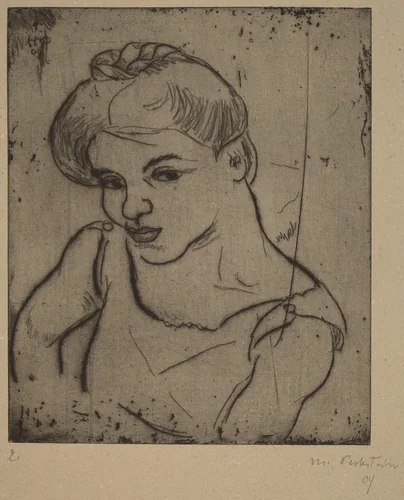
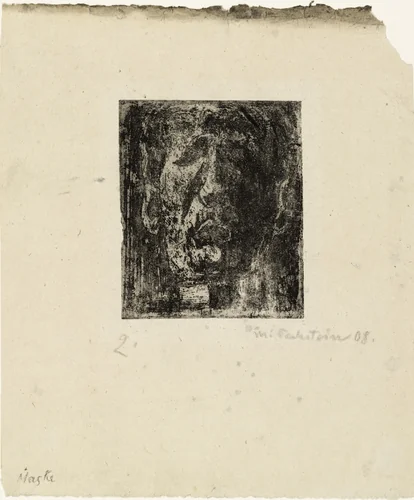
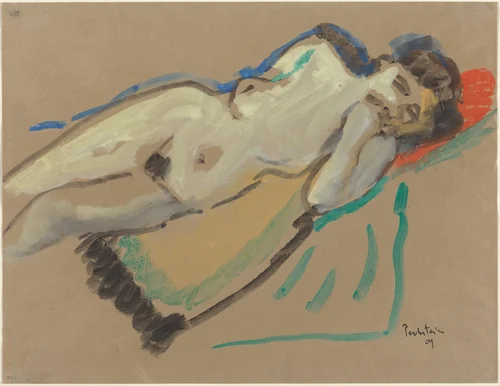
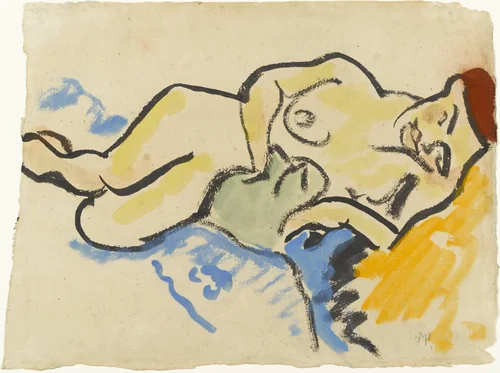
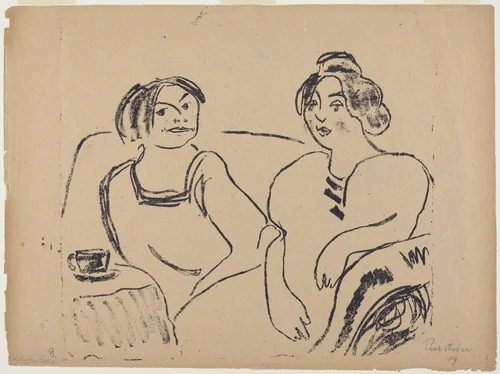
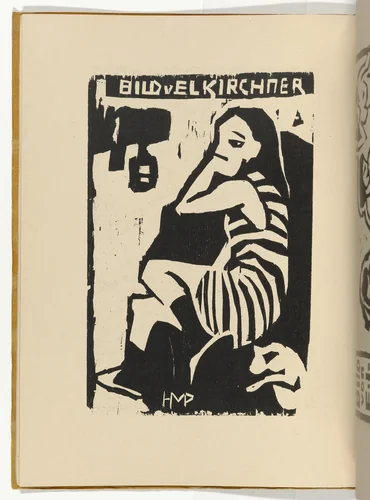
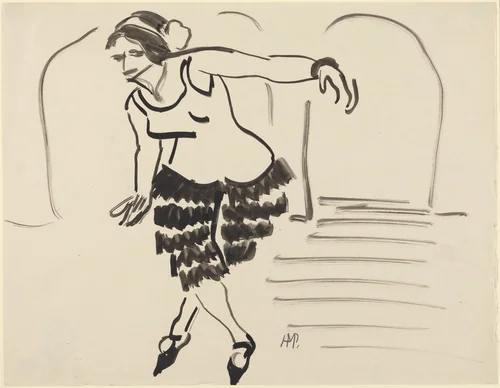
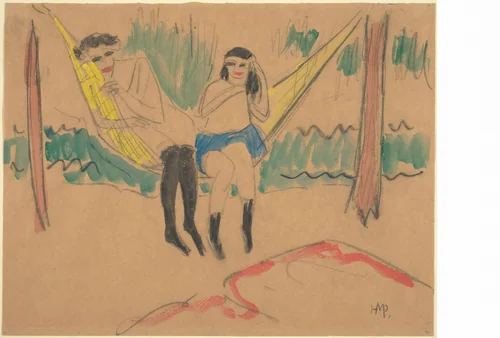
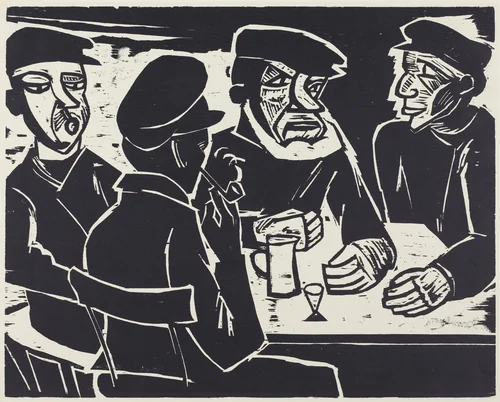
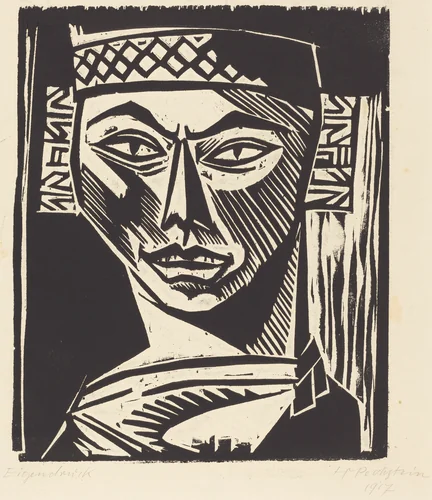
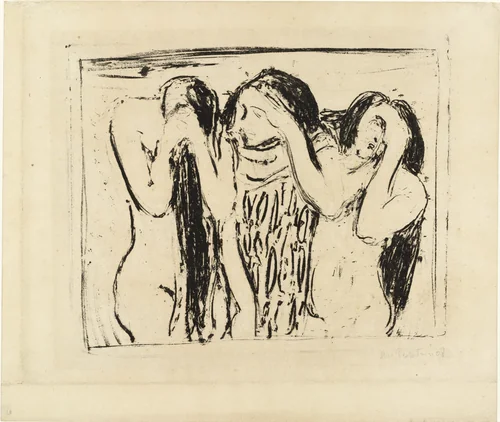
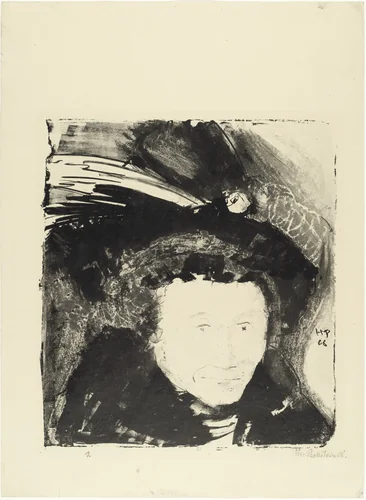
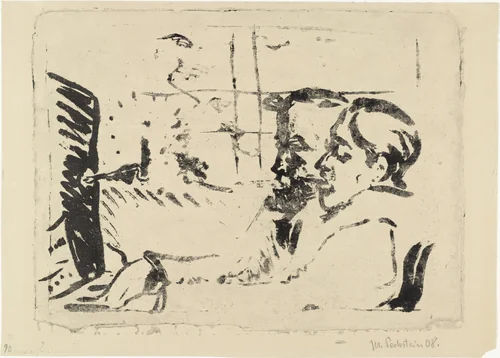
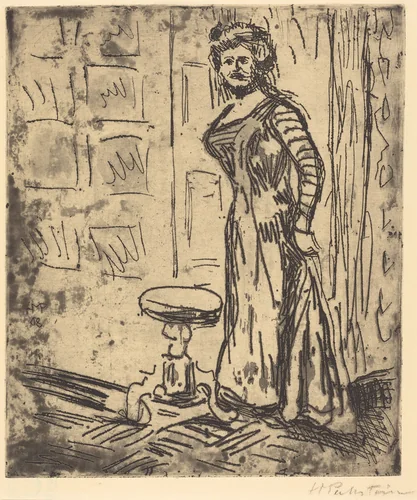
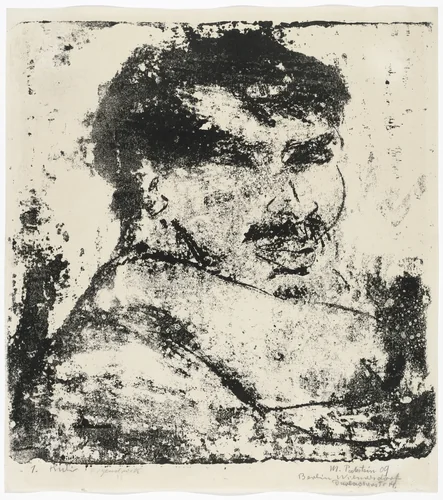
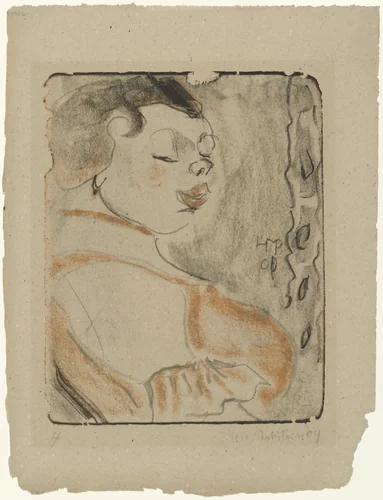
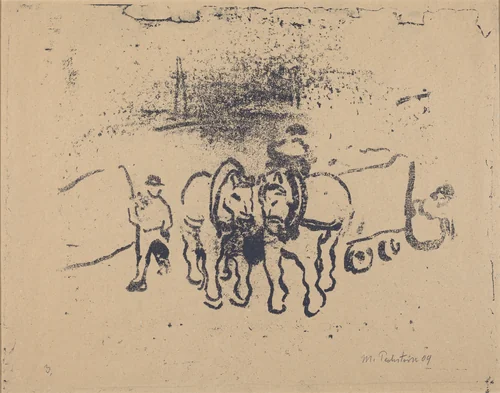
Pechstein was equally adept as a painter and a master printmaker, specializing in lithographs and powerful woodcuts. His oeuvre is characterized by heavy, deliberate outlines, flattened perspectives, and a dazzling use of non-naturalistic color, which infuse works like the meditative Grief (Leid) and the engaging Fishermen Seated at a Table with striking energy. His commitment to direct observation is evident even in intimate graphic works, such as the striking Portrait with Hat (Bildnis mit Hut).
Pechstein’s career spanned a period of immense political upheaval. He served on the Western Front during World War I, an experience that undoubtedly informed the charged emotional landscape of his later work. However, this commitment to personal expression placed him directly at odds with the subsequent National Socialist regime. Classified as Entartete Kunst (Degenerate Art), over 300 Max Pechstein paintings were systematically stripped from German museum collections during the Nazi era, an egregious act of cultural vandalism. It is perhaps a strange historical footnote that the state which vilified his art also inadvertently cemented its significance by attempting to erase it.
Despite the sustained efforts to suppress his legacy, Pechstein’s work found permanent refuge and influence abroad. His innovative approach to figuration and his dramatic printmaking style are preserved and studied globally, with major holdings secured at the Museum of Modern Art and the National Gallery of Art. Today, thanks to the increasing accessibility provided by the public domain, a wide selection of high-quality prints of his graphics are available, ensuring that the visual dynamism of Max Pechstein prints remains central to the study of 20th-century art.
Source: Wikipedia · CC BY-SA 4.0
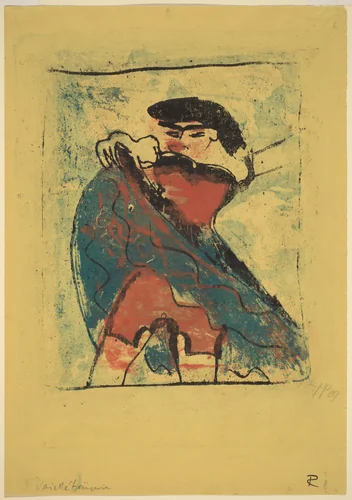
![Dancer (Pair of Dancers) (Tänzerin [Tänzerpaar]) by Max Pechstein, print, 1909](https://img.artbee.org/ac804cd6-d945-4122-91c3-3705fb24cc9b/small.webp)