Max Liebermann
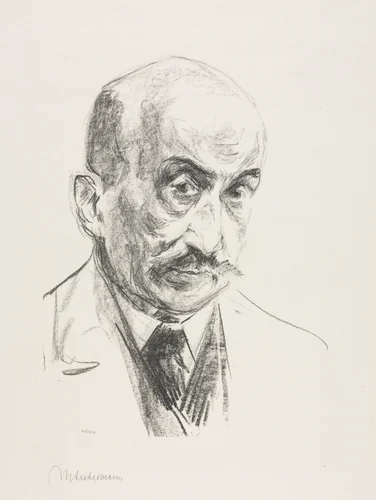
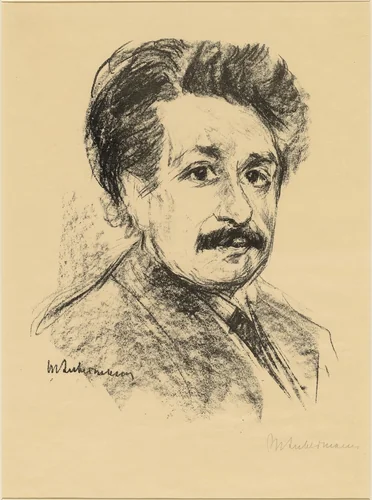
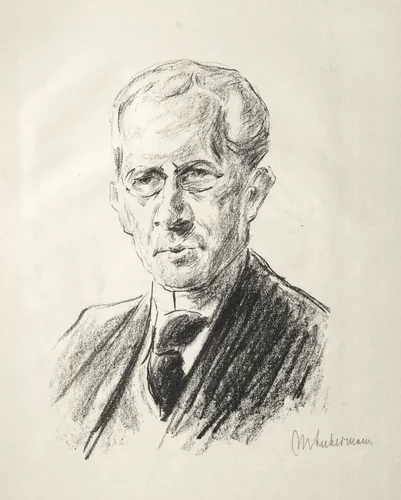
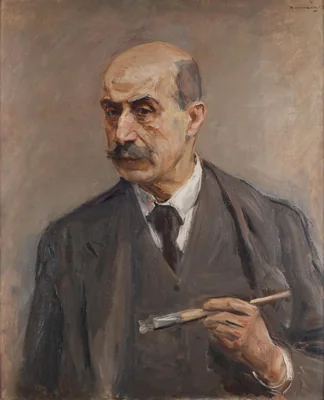
Max Liebermann stands as the indispensable figure in the introduction and subsequent mastery of Impressionism within Germany and continental Europe. A prolific painter and exceptional printmaker, his career spanned a critical era of transition, bridging the naturalistic styles of the 19th century with the nascent modernity arriving from France. His technical command of light and movement established him not merely as a follower, but as the leading domestic voice interpreting the tenets of French painting for a German audience.
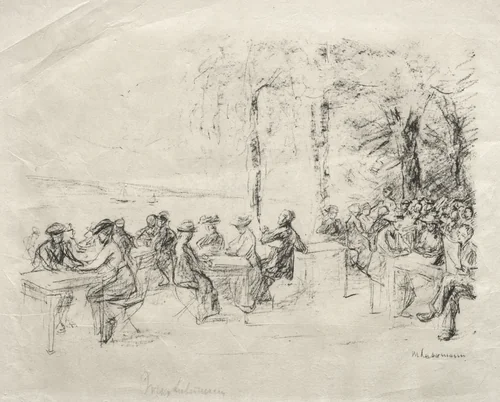
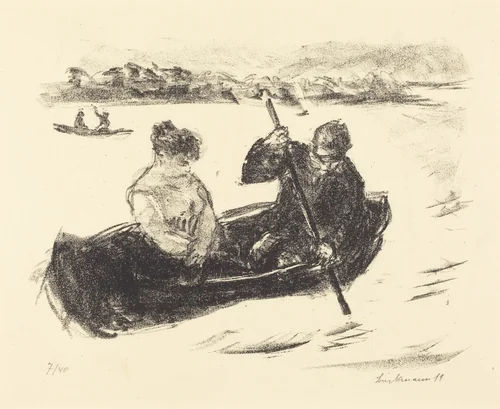
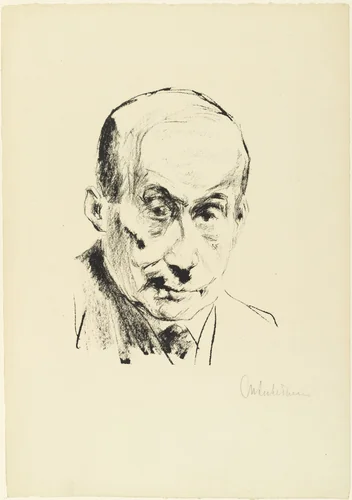
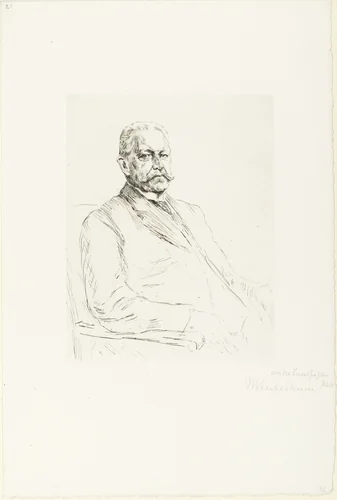
Initially drawn to scenes of labor and quiet daily life, his early focus often captured unvarnished realism, seen powerfully in documentary works such as Straathandel in de Oude Jodenbuurt te Amsterdam. As his style matured, influenced heavily by travel and the artists he admired, he developed the quintessential fluid brushwork of the Impressionist movement. This shift allowed him to explore diverse subjects, from leisurely garden views like Wijntuin in Rosenheim to figures in nature, demonstrated through his frequent studies of bathers, including the well-known Badende jongens. His dedication to graphics, producing many etchings and lithographs, means that many Max Liebermann prints remain highly valued for their expressive clarity.
Liebermann’s dedication to the movement extended beyond his easel. Unusually for a contemporary artist of his stature, he amassed one of Europe's most significant private collections of French Impressionist works, effectively serving as an early, discerning curator who validated the movement internationally before it was fully embraced at home. This dual role—creative force and knowledgeable patron—cemented his historical significance.
His extensive artistic output, spanning nine prints and five drawings listed in the active database between 1857 and 1900, ensures his wide accessibility. Held in major repositories including the Rijksmuseum and the Art Institute of Chicago, his compositions are often available through the public domain, offering broad access to this pivotal chapter in German modernity, frequently released as high-quality prints for study and appreciation.
Source: Wikipedia · CC BY-SA 4.0