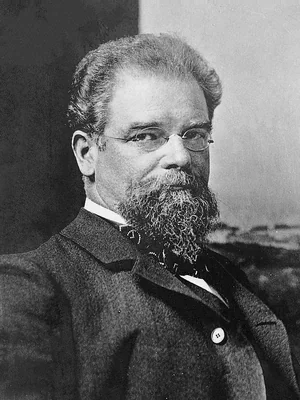
Max Klinger
Max Klinger (1857-1920) was a German polymath, influential as both an artist and a theorist, whose significant output encompassed painting, monumental sculpture, and innovative graphic arts. He stands as a foundational figure in German fin-de-siècle art, closely associated with the currents of Symbolism, the Vienna Secession, and Jugendstil, the sophisticated German manifestation of Art Nouveau. Klinger’s intellectual approach was articulated in his theoretical treatise, which vigorously argued for the independent expressive capacity of graphic media and sought to define its essential relationship to painting.
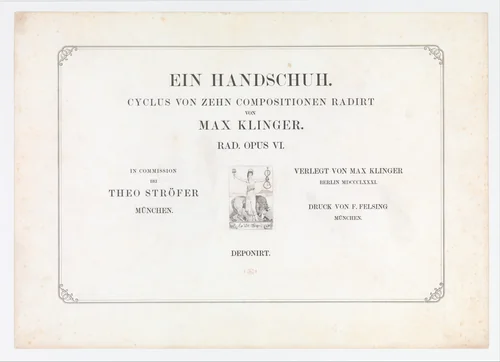
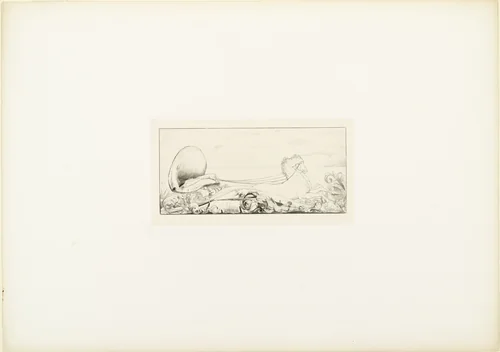
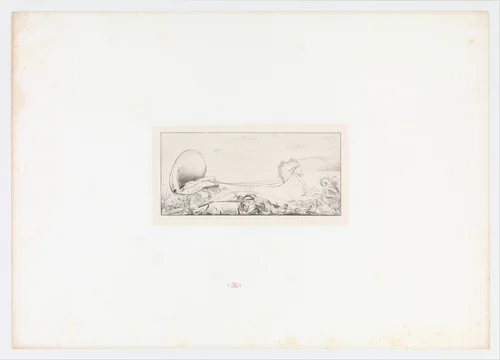
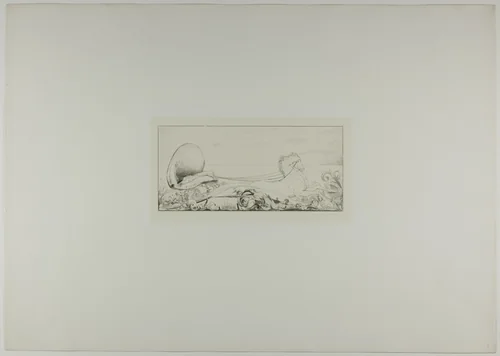
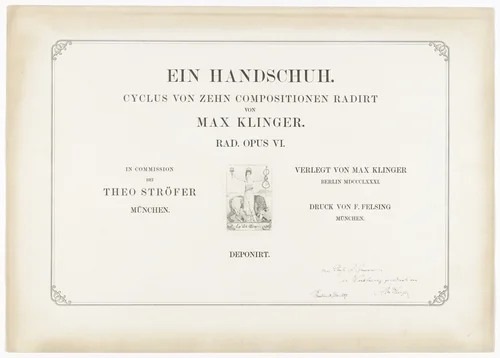
Klinger's most profound and lasting contribution lies in his reinvention of the print cycle. Rejecting the tradition of the single plate, he developed printmaking into elaborate sequences, or "Opus" works, designed to explore complex, sequential narratives and psychological depth. This systematic approach allowed him to move beyond surface realism into the realm of dream logic and interior states. His most famous example of this sequential method is the celebrated series Paraphrase on the Finding of a Glove, which transmutes a minor, quotidian occurrence into a sprawling narrative concerning erotic obsession and the subconscious.
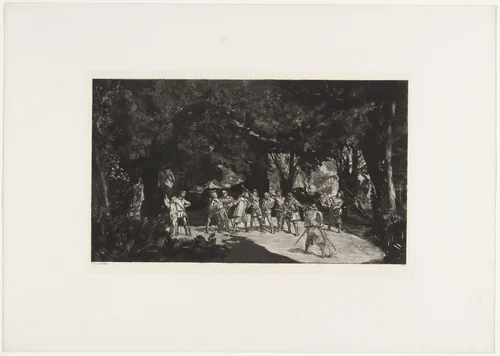
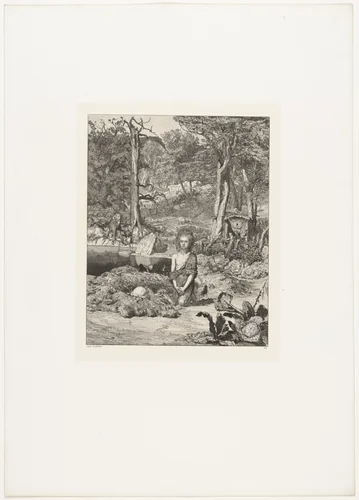
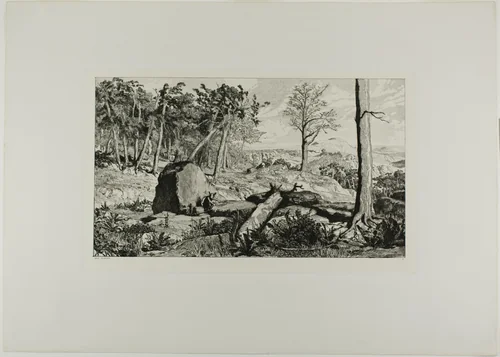
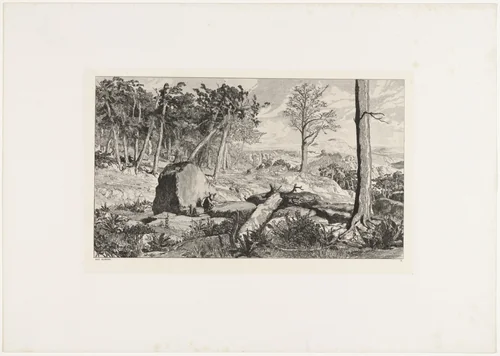
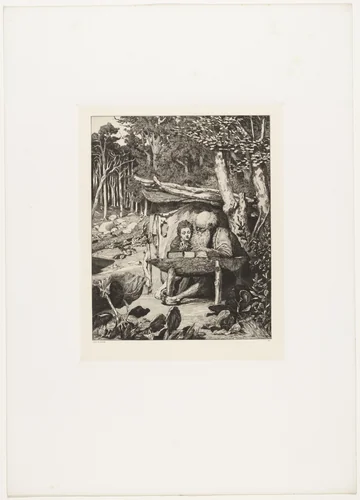
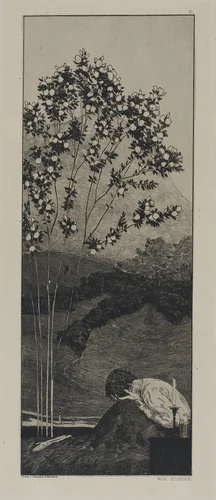
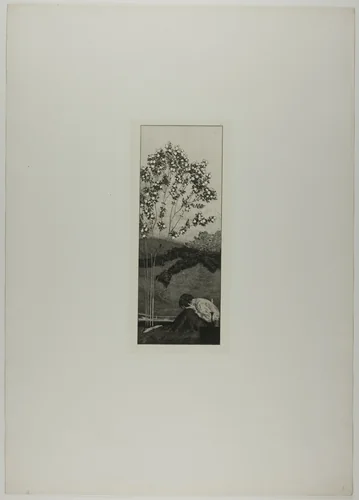
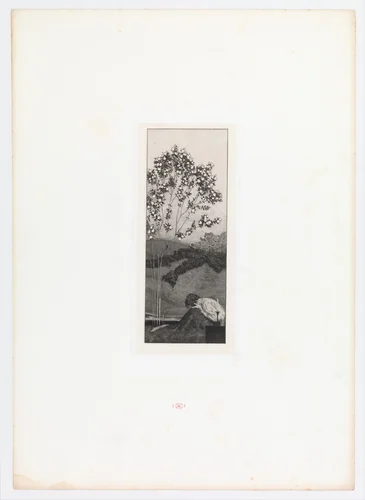
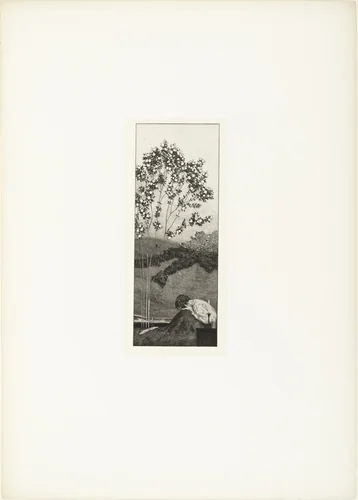
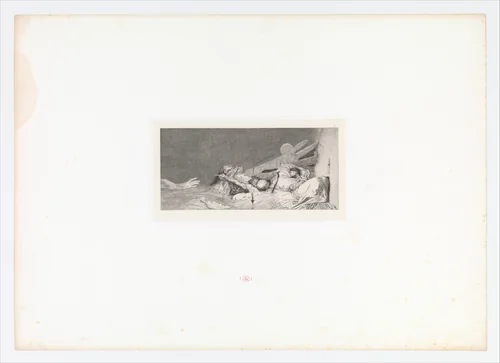
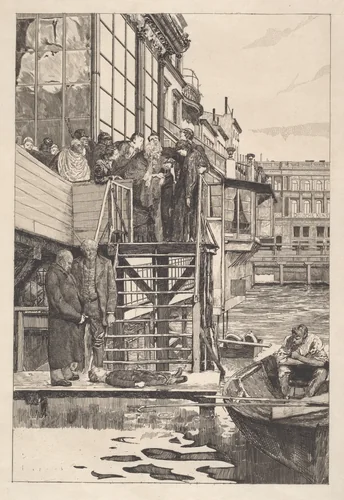
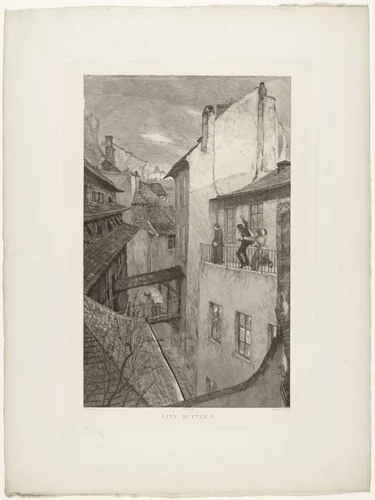
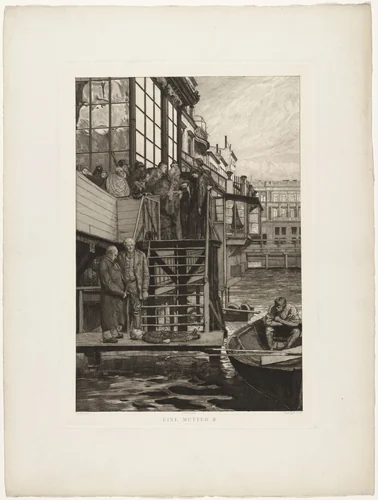
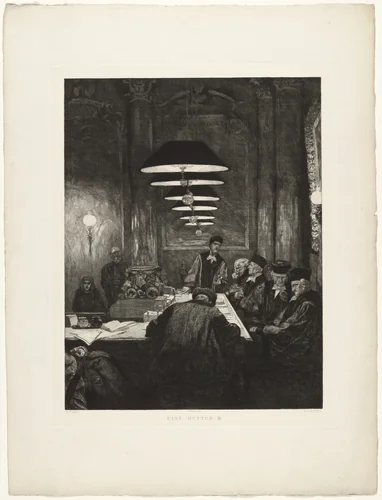
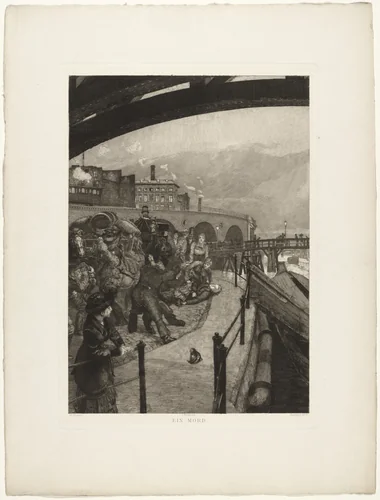
His graphic work, exemplified by evocative pieces such as In the Park, from "A Love (Opus X)" and the dramatically atmospheric Moonlit Night (Mondnacht): pl. 4, demonstrates a profound technical skill and commitment to narrative structure. Even isolated examples like Evocation reflect his dedication to capturing intense emotional moments. Today, the enduring recognition of Max Klinger prints has secured his place in global collections, including the Metropolitan Museum of Art and the National Gallery of Art.
Beyond the print studio, Klinger executed large-scale works, most notably the towering sculptural installation dedicated to Beethoven, which premiered at the Vienna Secession in 1902. This monumental work synthesized classical formality with modern emotional gravity. Interestingly, although Klinger championed the parity between painting and graphic arts, it is his extraordinary corpus of prints, now frequently available as high-quality prints and royalty-free downloadable artwork in the public domain, that constitutes his primary enduring legacy.
Source: Wikipedia · CC BY-SA 4.0