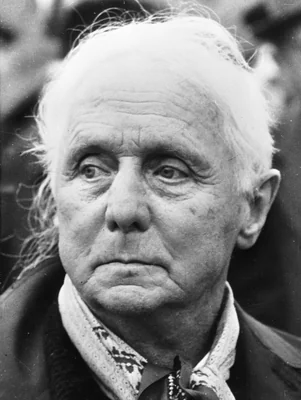
Max Ernst
Max Ernst (1891-1976) stands as one of the essential figures of 20th-century modernism, a primary pioneer of both the Dada movement and Surrealism in Europe. The German-born artist was a prolific painter, sculptor, and printmaker who fundamentally defined the aesthetic language of the subconscious and the irrational. Remarkably, Ernst achieved this foundational status despite having no formal artistic training, substituting academic convention for relentless experimentation.
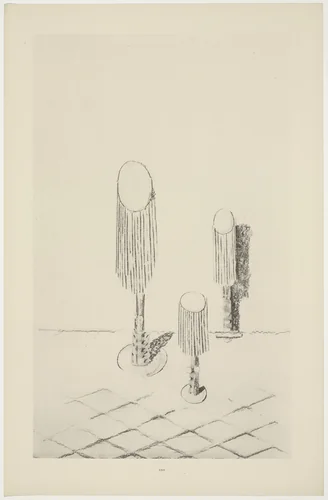
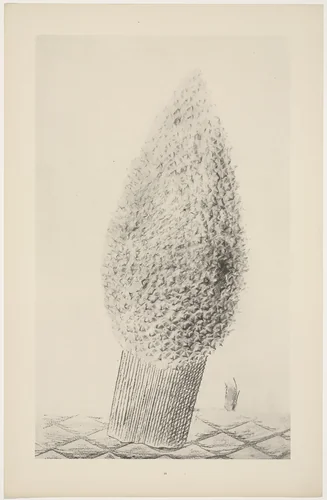
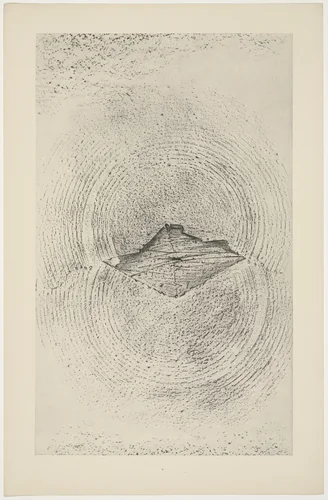
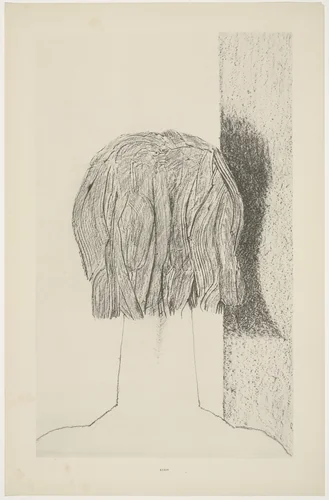
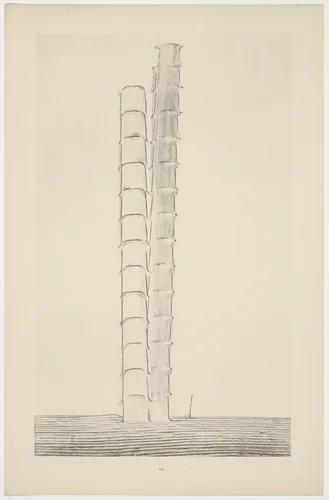
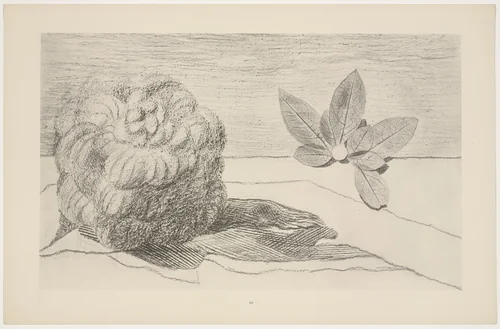
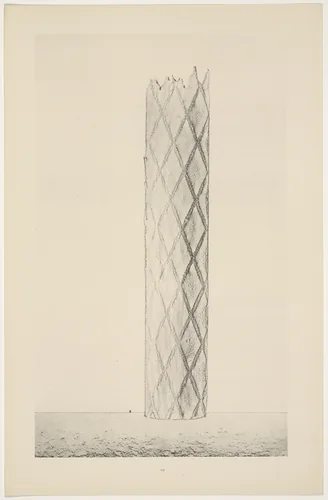
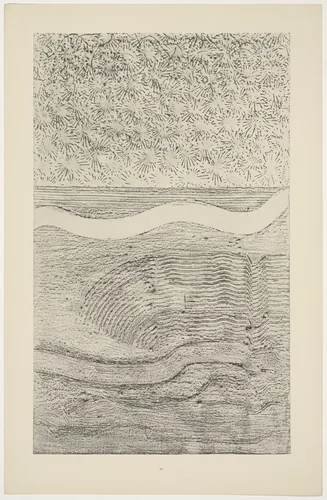
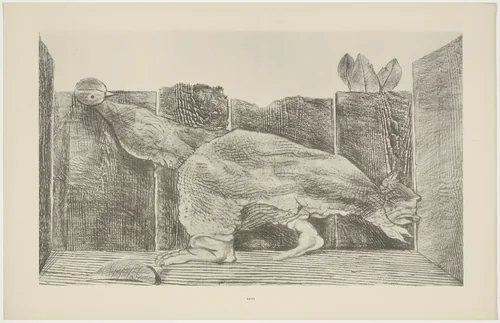
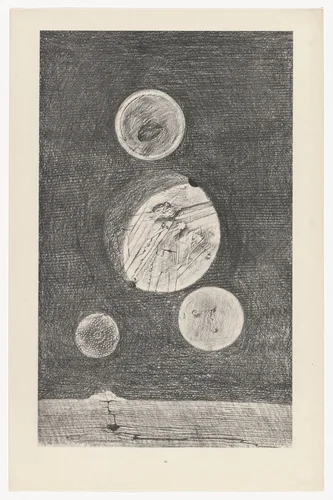
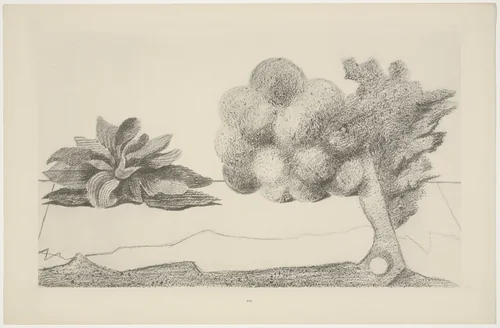
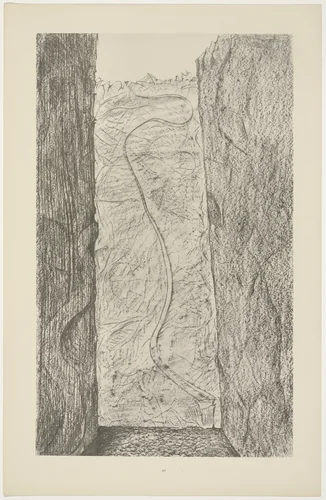
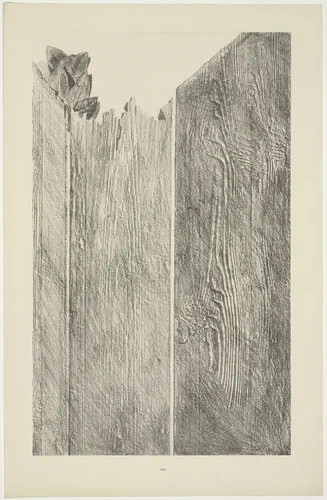
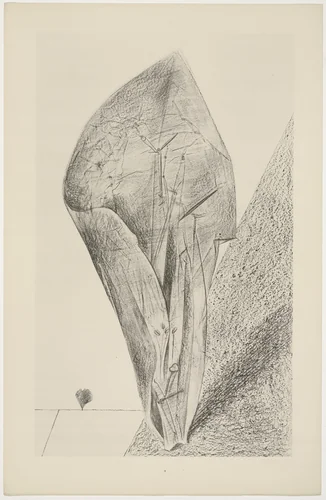
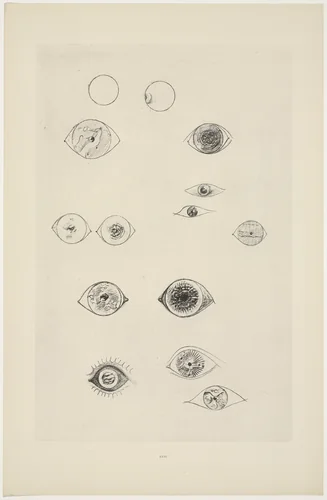
Ernst’s defining contribution rests on his systematic subversion of traditional artistic production through new mechanical drawing methods. His invention of frottage, derived from the French verb meaning "to rub," involved taking pencil rubbings of textured objects and relief surfaces to spontaneously generate imagery. This technique treats the surface texture as a collaborator, moving beyond conscious composition. He developed the analogous process of grattage, where paint is scraped across a canvas to reveal the impressions of objects placed underneath. Furthermore, Ernst utilized collage not only for discrete artworks but also for creating influential graphic novels and pamphlets, exemplified by early works like Cover from Let There Be Fashion, Down with Art (Fiat modes pereat ars) and the drawing Farewell My Beautiful Land of Marie Laurencin (Adieu mon beau pays de Marie Laurencin).
The chaotic energy and critical stance embedded in Ernst's work stemmed directly from his experience serving as a soldier during the First World War, an event he found deeply shocking and traumatizing, fostering a lasting criticism of the modern world. It is perhaps fitting that this pioneer of anti-rational art faced subsequent exile, later designated an "undesirable foreigner" while living in France during World War II. His early graphic output, such as the Max Ernst prints and drawings from his highly active period between 1919 and 1920, captures the fragmented, post-war European psyche.
Ernst's inventive spirit secured his place in major global collections, including the Museum of Modern Art. His commitment to expanding the definition of printmaking and graphic art means that much of his influential early output is now available in the public domain. This accessibility allows institutions and individuals worldwide to source museum-quality documentation for creating high-quality prints of works such as Helio Alcohodada and Hypertrophic Trophy (hypertrophie trophäe, trophée hypertrophique).
Source: Wikipedia · CC BY-SA 4.0