Max Burchartz
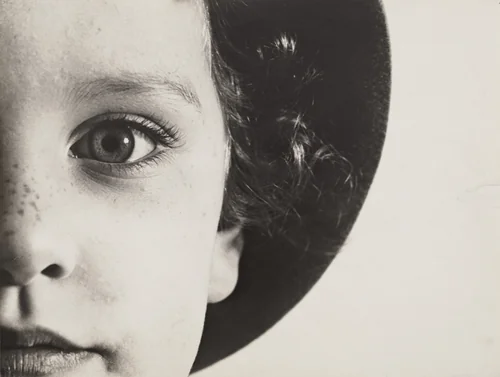
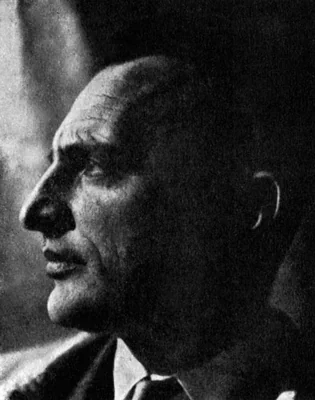
Max Hubert Innocenz Maria Burchartz (1887-1961) stands as a paradigm of the multidisciplinary artist who defined German Modernism in the 1920s. Beginning his career as a painter, Burchartz rapidly pivoted to become a seminal typographer, photographer, commercial art designer, and influential graphic arts teacher. His significance rests not merely on his stylistic output but on his relentless pursuit of functional clarity across disparate media.
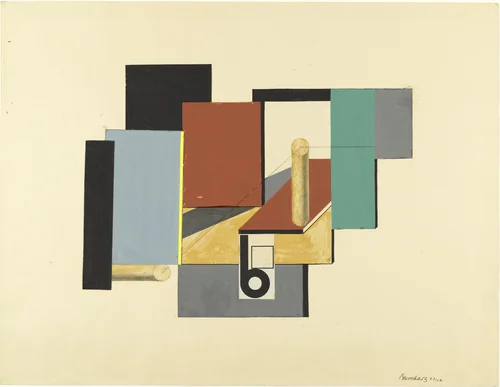
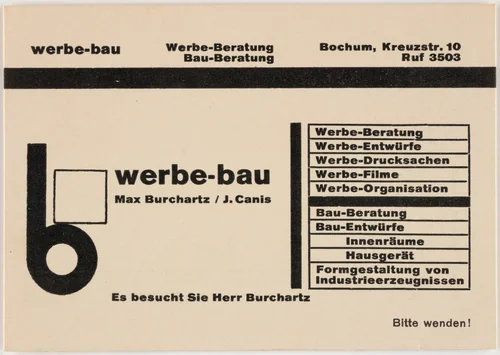
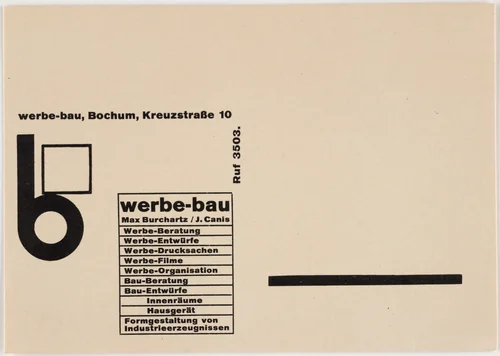
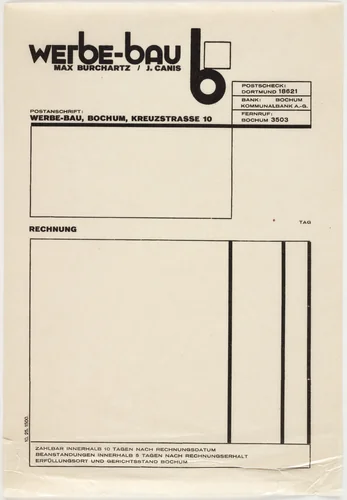
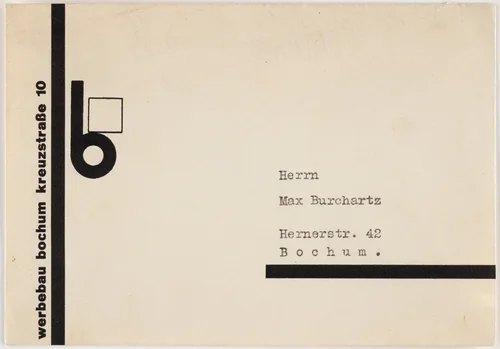
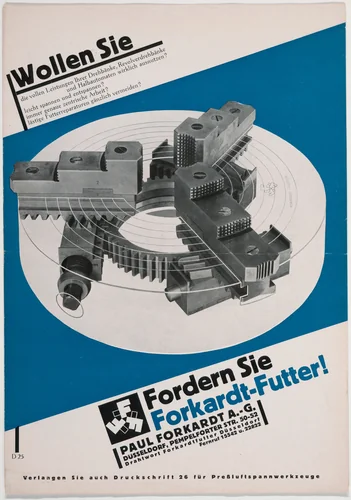
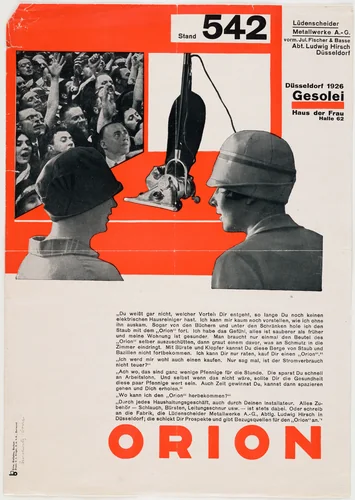
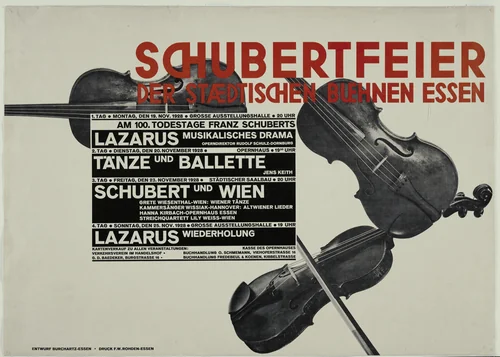
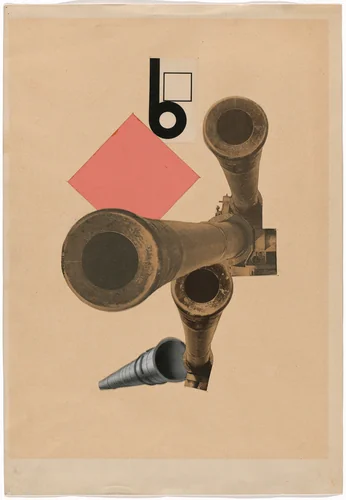
The period spanning 1920 to 1928 marks the height of Burchartz's inventive phase, when he systematically abandoned traditional easel painting in favor of the stark realities offered by the camera and the printing press. He embraced the tenets of Constructivism and the New Objectivity, applying a rigorous, stripped-down aesthetic to commissioned works that sought immediate communication rather than romantic expression. His designs often treated typography as visual architecture, a system of pure lines and optimized geometry evident in pieces such as the graphic strength of Construction with "B" and the commercial efficiency of the Stationery card for Werbe-bau.
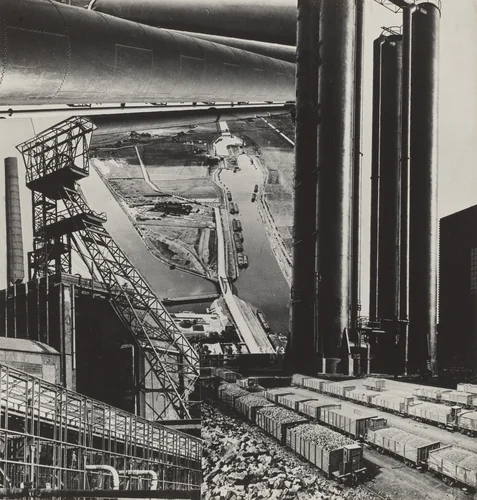
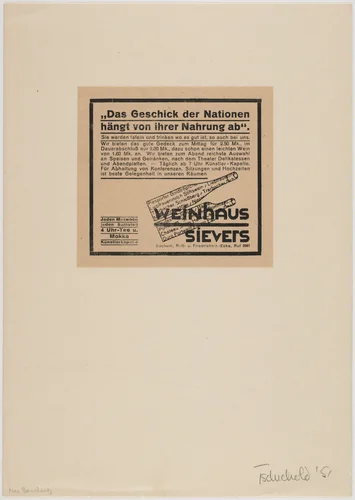
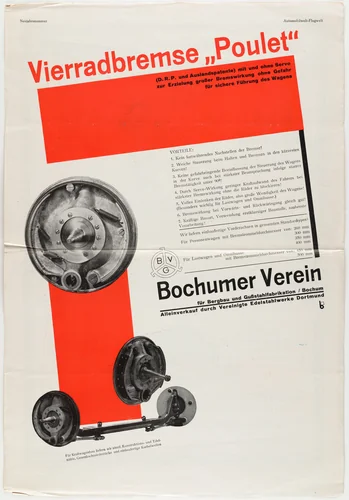
Burchartz treated his vocational shifts almost as a series of design problems, constantly re-branding his own practice to align with the technological imperative of the industrial era. His photographic work, exemplified by the crisp, geometric documentation in Industrial District at Gelsenkirchen, displays a sophisticated use of contrast and sharp diagonals, turning mundane infrastructure into powerful visual statements. He simultaneously showed mastery in effective advertising, seen in the clean, rational promotion for Weinhaus Sievers.
As both a practitioner and an educator, Burchartz played a crucial role in disseminating the functional aesthetic that shaped European applied design. His commitment to integrating fine art principles with industrial utility has ensured the continued relevance of his work, much of which is held in prestigious institutions globally, including the Museum of Modern Art. Today, many of his striking early works are entering the public domain, allowing scholars and enthusiasts to access Max Burchartz prints and downloadable artwork, often reproduced as high-quality prints that preserve his original, uncompromising vision.
Source: Wikipedia · CC BY-SA 4.0