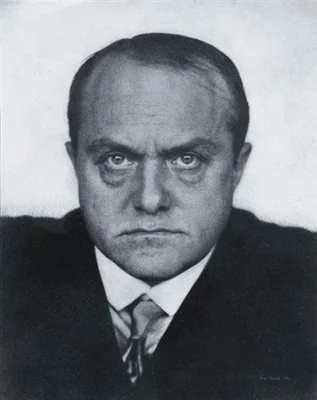
Max Beckmann
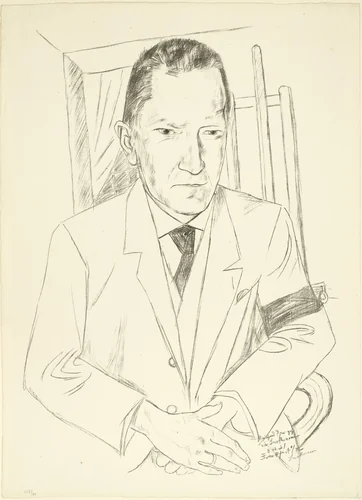
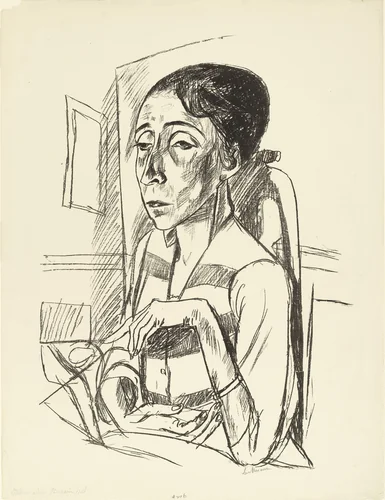
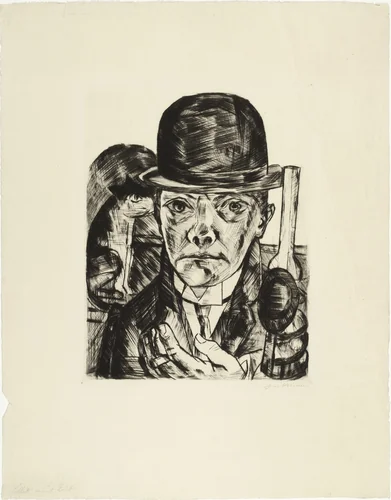
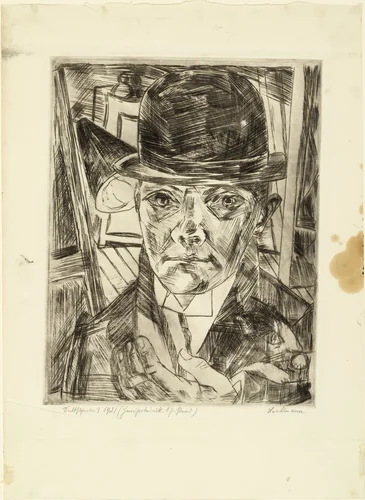
Max Carl Friedrich Beckmann (1884–1950) stands as one of the pivotal figures in twentieth-century German modernism, celebrated for his profound and restless output across painting, drawing, sculpture, and the graphic arts. Although frequently classified under the umbrella of Expressionism, Beckmann famously rejected the designation, preferring to consider himself a perpetual observer of human experience rather than an adherent to a specific school.
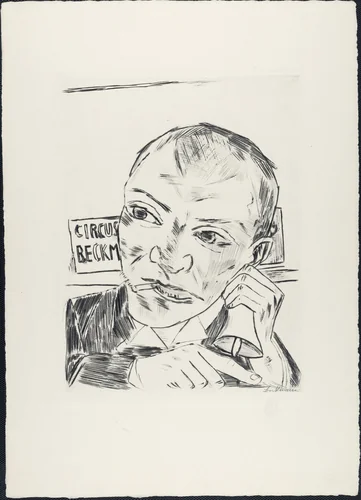
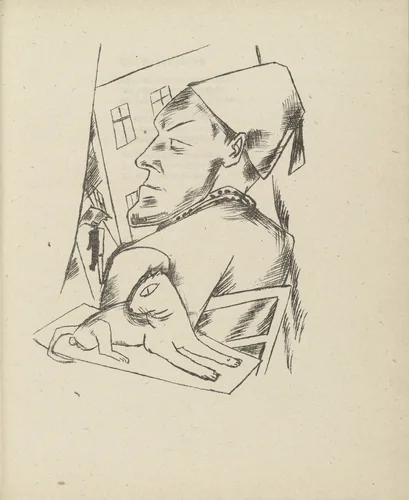
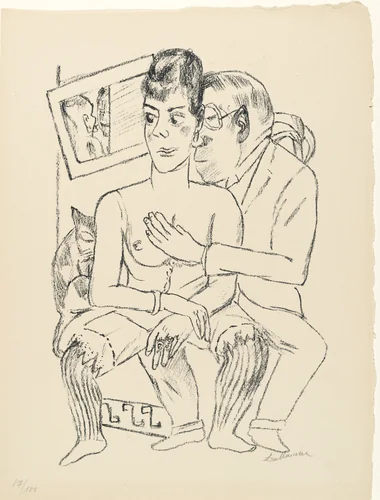
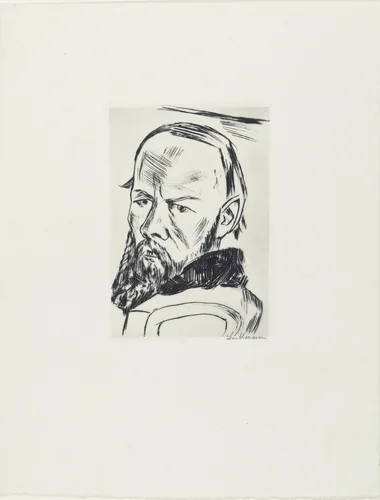
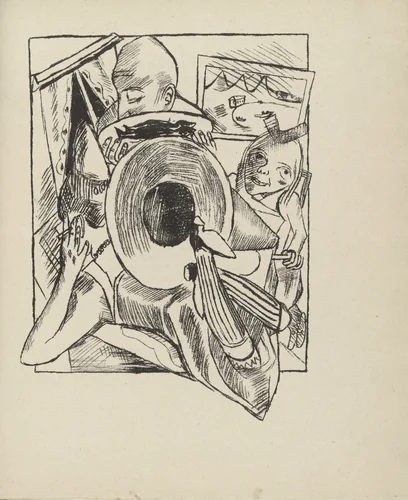
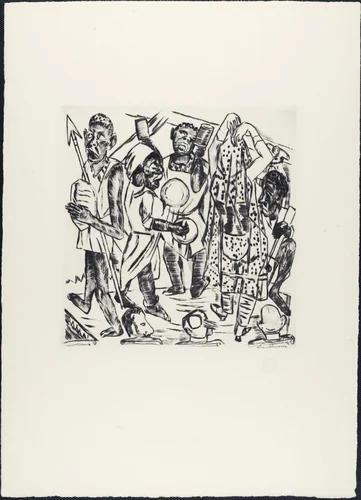
His early period, represented by fifteen documented prints active between 1909 and 1912, demonstrates a powerful command of narrative depth. Significant early print series, such as Eurydikes Wiederkehr, Drei Gesänge (The Return of Eurydice, Three Cantos), featured works like Orpheus before Pluto and Proserpina, blending classical mythology with contemporary psychological weight. The continued availability of Max Beckmann prints, many housed in major collections like the Museum of Modern Art, attests to his early mastery of graphic media.
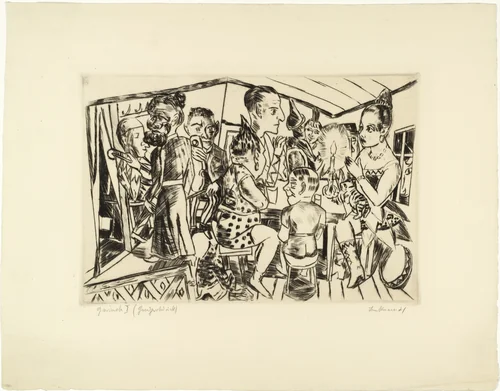
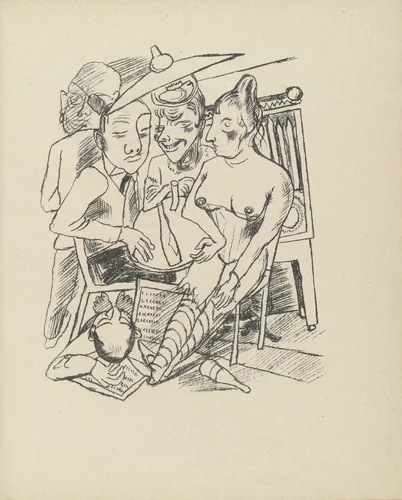
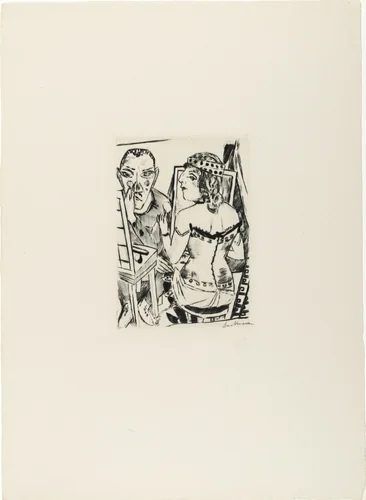
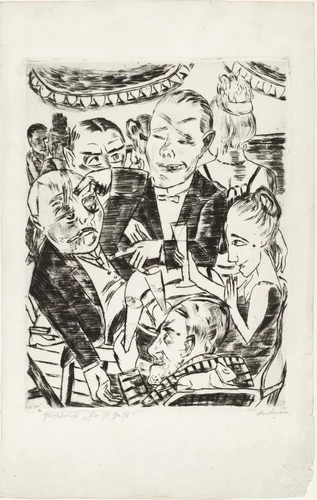
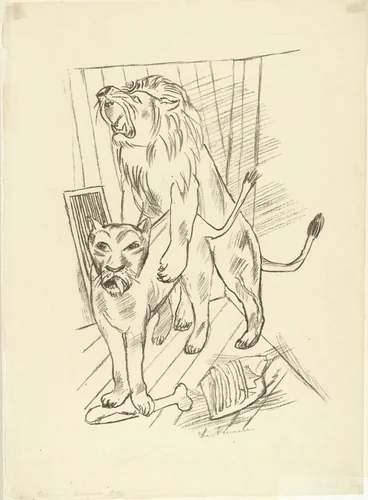
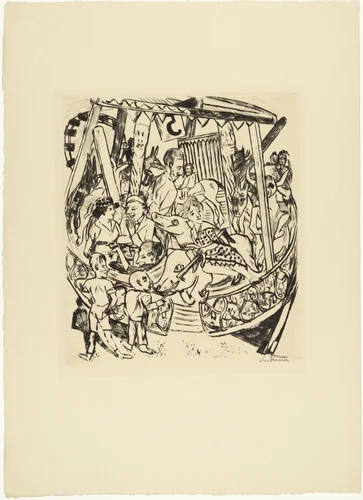
By the 1920s, Beckmann was associated with the New Objectivity (Neue Sachlichkeit), an artistic reaction that favored clarity and social observation over the deep emotional subjectivity of earlier German modernism. This association was perhaps ironic, given that even his lighter subjects, such as depictions of circus performers, were consistently infused with an undeniable undercurrent of psychological disquiet and unease. This tension between objective realism and unsettling interiority became a defining characteristic of his mature style.
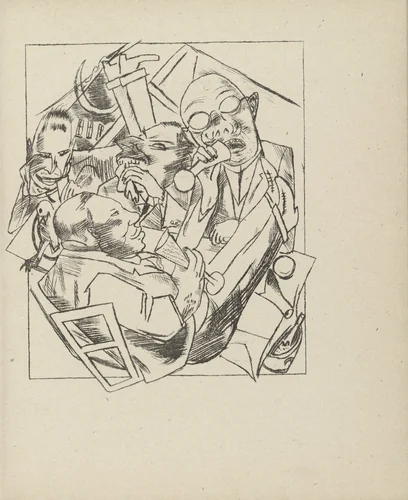
As the political climate in Germany rapidly deteriorated during the 1930s, Beckmann's artistic language sharpened considerably. His later work moved toward explicit social criticism, employing brutally distorted forms and horrifying imagery. This phase combined raw, immediate realism with complex symbolic narratives, directly documenting the era’s rising anxieties. Beckmann's penetrating vision cemented his historical significance. Today, scholars benefit from the accessibility of this pioneering work; many of his seminal pieces are now entering the public domain, making high-quality prints and study materials widely available worldwide.
Source: Wikipedia · CC BY-SA 4.0