Mauro Antonio Tesi
Mauro Antonio Tesi (active 1730-1760) occupies a pivotal role in the architectural drawing tradition of 18th-century Italy, functioning as a crucial bridge between the exuberant final phase of the Baroque and the emerging tenets of the Neo-classical style. Active primarily in Bologna, Tesi devoted his specialized career to creating highly finished preparatory designs and detailed capricci that established him as an early proponent of the measured, rational aesthetic that would soon sweep across Europe.
Tesi’s significance was recognized during his lifetime; the influential Venetian polymath Francesco Algarotti, Tesi’s patron and admirer, affectionately bestowed upon him the moniker "Il Maurino." This affectionate nickname suggests Tesi possessed a technical brilliance that often appeared disproportionate to his stature, an understated observation suitable for an artist whose mastery lay in precise, architectural scale.
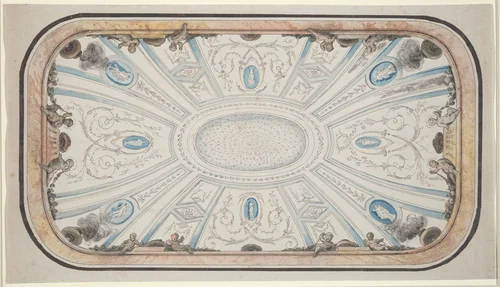
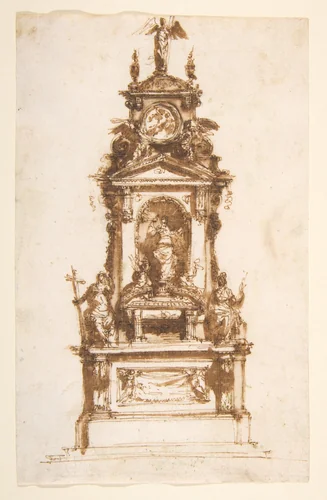
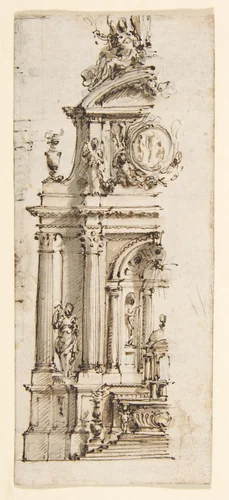
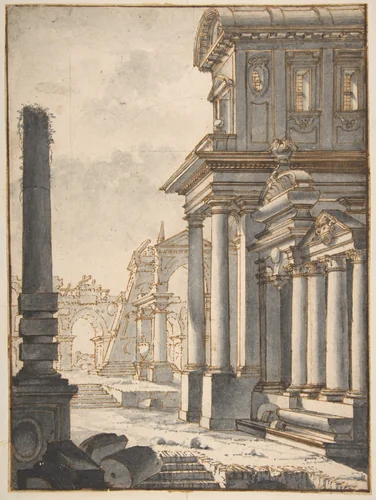
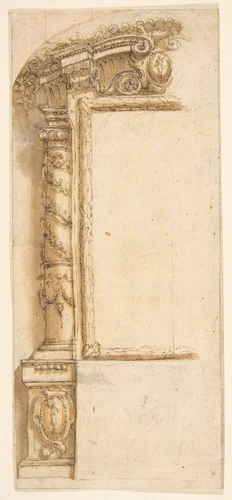
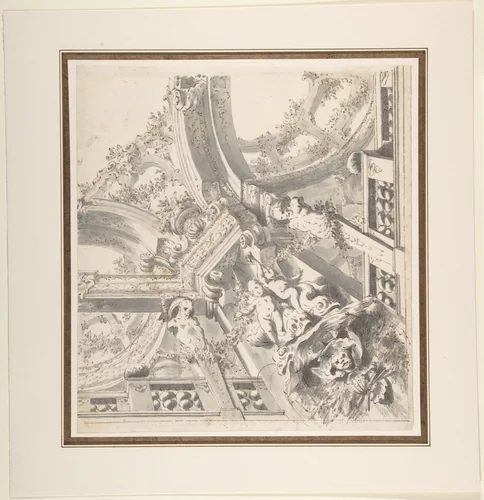
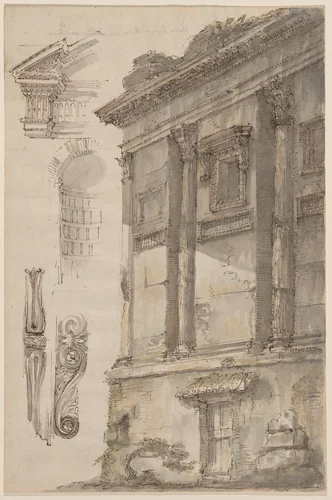
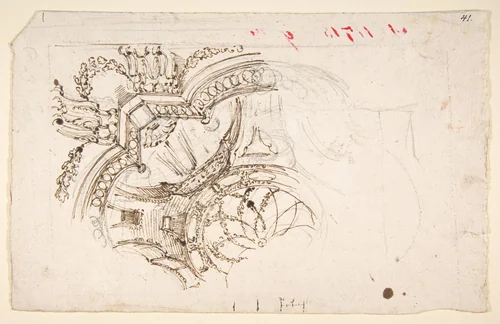
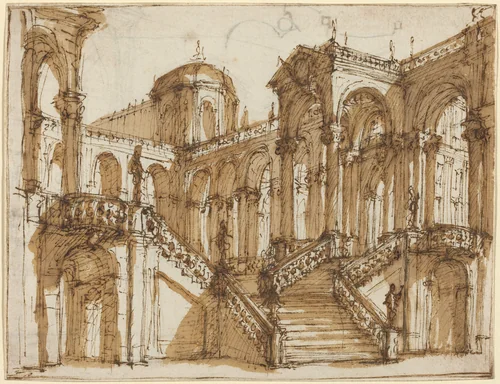
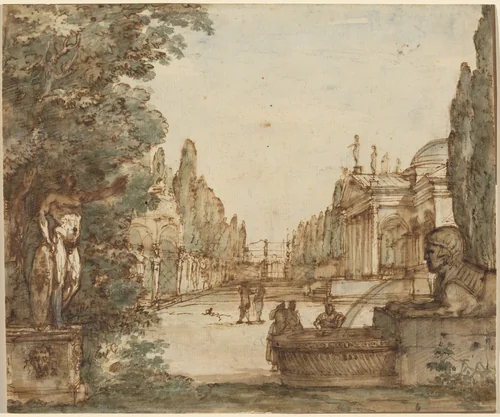
His surviving output, heavily focused on architectural visualization, demonstrates an exceptional command of line, perspective, and detail. Works such as Design for an Altar Erected for the Holy Week and Design for the Left Half of an Altar reveal his ability to imbue complex liturgical structures with a sense of classical geometry, tempering the dramatic flourishes typical of late-Baroque design. Simultaneously, Tesi explored the picturesque decay popular in the era with drawings like Façade and Ruins, mastering the theatrical contrast between perfect structure and inevitable decline.
Tesi's legacy is secured through his high-quality drawings, ten of which are documented and held in major public repositories, including the Metropolitan Museum of Art and the National Gallery of Art. These museum-quality works offer invaluable insight into the technical demands of 18th-century design. As key examples of his oeuvre are now within the public domain, the structural clarity inherent in Mauro Antonio Tesi prints and downloadable artwork is widely available for modern study and appreciation. He remains a fascinating study in transition, an artist who successfully merged the grand ambition of the past with the clarity of the future.
Source: Wikipedia · CC BY-SA 4.0