Maurice Quentin de La Tour
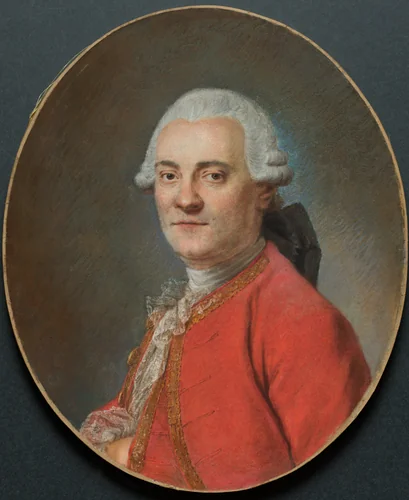
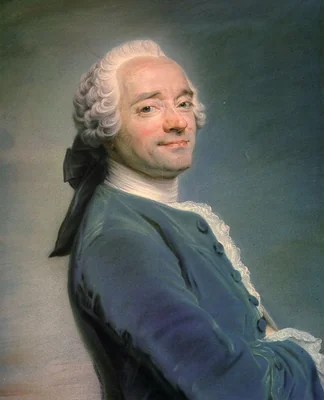
Maurice Quentin de La Tour (1704–1788) stands as the quintessential portraitist of the French Rococo, a figure whose influence cemented the artistic significance of pastel drawing during the mid-eighteenth century. While previous artists often relegated pastel to preparatory work, La Tour embraced it as his primary medium, exploiting its unique capacity for capturing texture, immediacy, and a vibrant luminosity unattainable in oil paint.
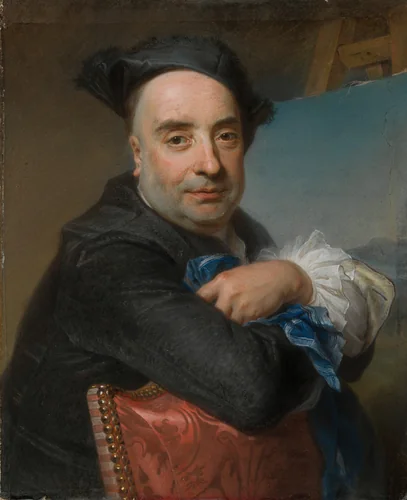
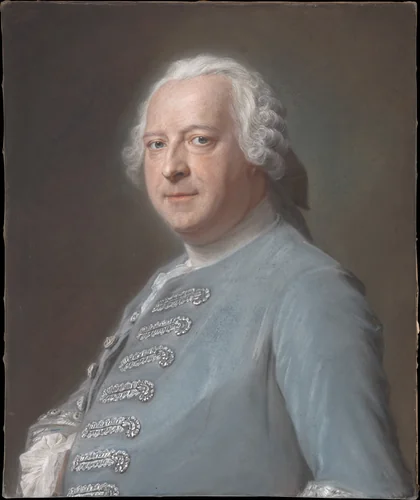
His technical skill was extraordinary, allowing him to render the gossamer qualities of lace and the distinctive sheen of powdered hair with effortless realism. Crucially, this detail never overshadowed his paramount focus: the psychological portrayal of the sitter. La Tour’s portraits are defined by an intense presence, creating the impression of a fleeting, spontaneous encounter, often enhanced by the sitter's direct, engaging gaze.
The artist’s client list reflects his status as the court favorite and official painter to King Louis XV. He was the undisputed master entrusted with visualizing the most powerful figures of the ancien régime, including the King himself and Madame de Pompadour. Beyond the aristocracy, La Tour secured his historical legacy through his defining representations of the Enlightenment's intellectual giants, such as Voltaire and Jean-Jacques Rousseau. These iconic images became crucial components of the era’s burgeoning celebrity culture, disseminated widely and establishing a demand for Maurice Quentin de La Tour prints.
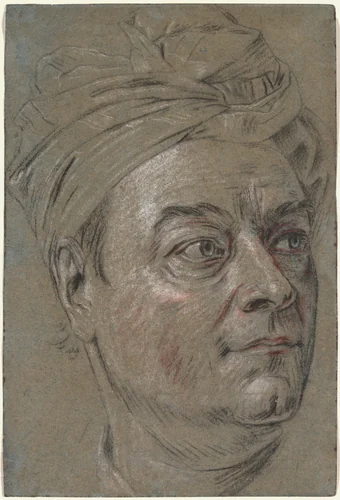
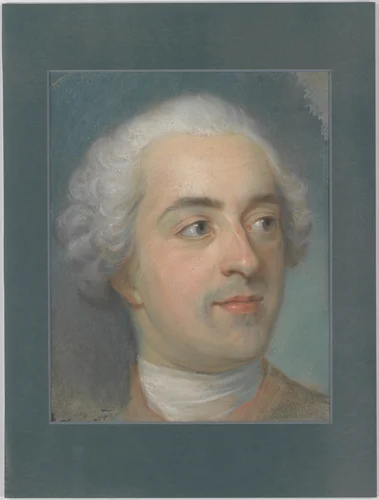
A drawing such as Préparation for a Portrait of Louis XV reveals his foundational methods, demonstrating how he built up structure before achieving his signature finished polish. This blend of meticulous technique and apparent spontaneity defined his style and ensured his dominance in Parisian artistic circles for over four decades. His works are essential components of museum-quality collections globally, including the Metropolitan Museum of Art and the National Gallery of Art. Today, many of his key drawings have entered the public domain, ensuring that access to high-quality prints and downloadable artwork remains robust for scholars and enthusiasts worldwide.
Source: Wikipedia · CC BY-SA 4.0