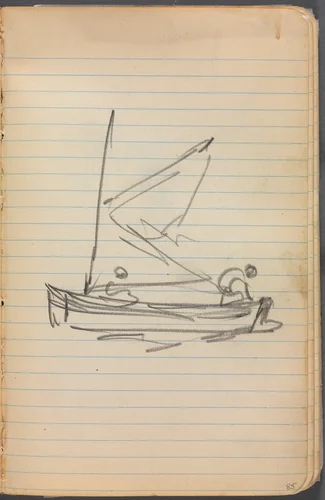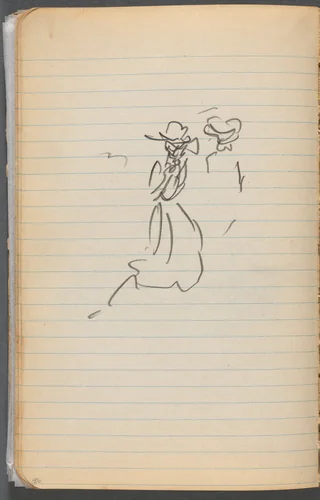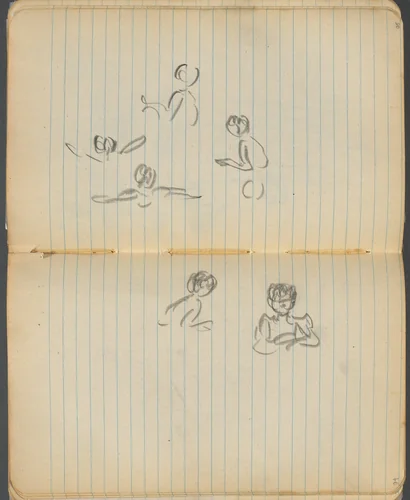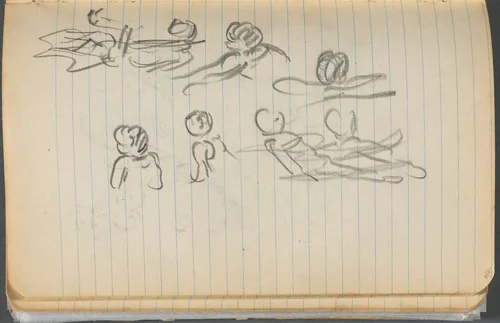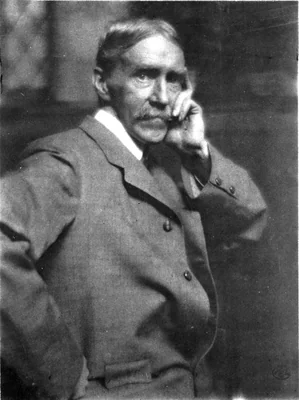
Maurice Prendergast
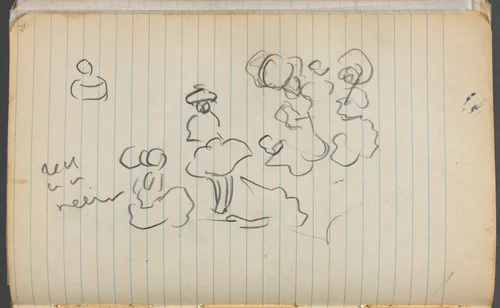
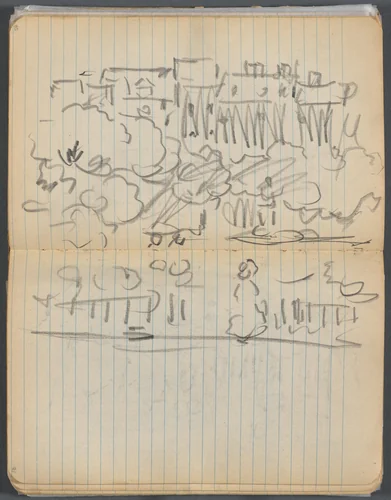
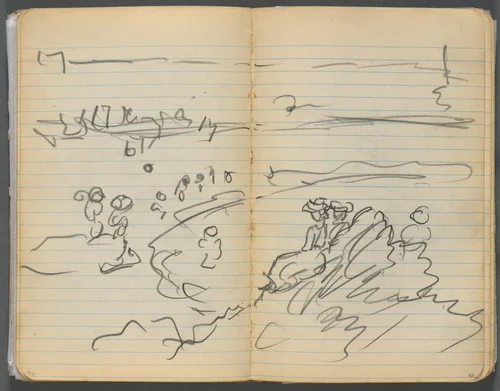
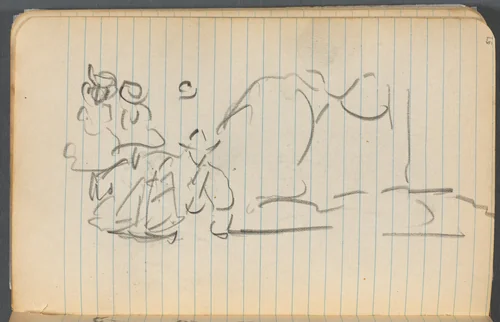
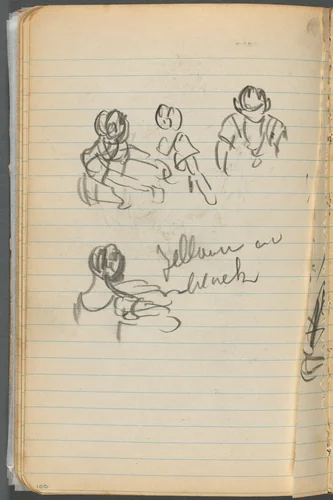
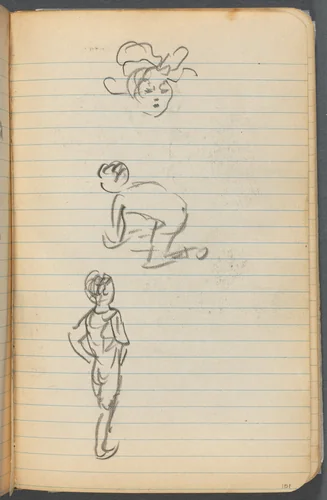
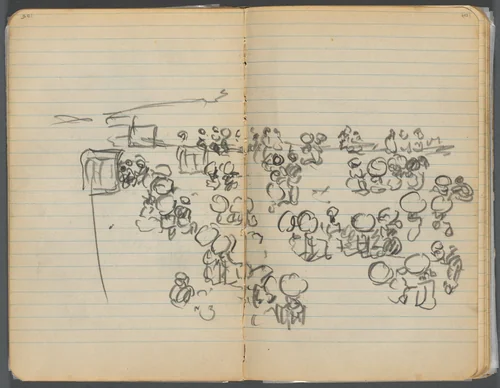
Maurice Brazil Prendergast (1858-1924) stands as a distinct transitional figure in early twentieth-century American art, bridging late nineteenth-century European innovations with emerging domestic modernism. Working prolifically in oil, watercolor, and particularly the innovative technique of the monotype, Prendergast’s highly individualized output defied easy categorization among his American contemporaries. His primary stylistic allegiance was to European Post-Impressionism, evident in his rejection of conventional narrative in favor of pure visual exploration.
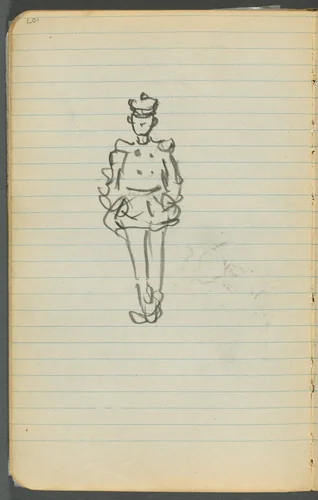
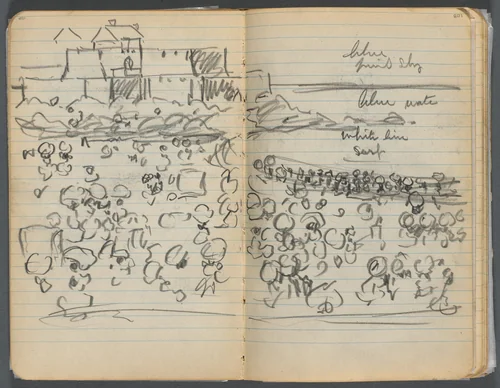
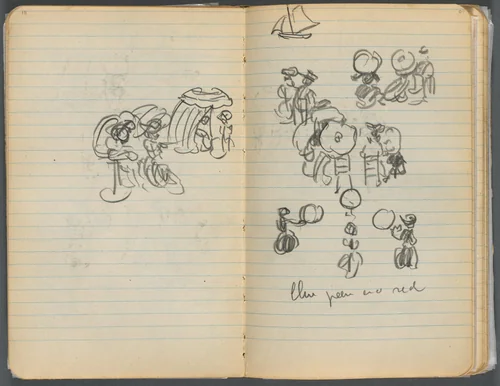
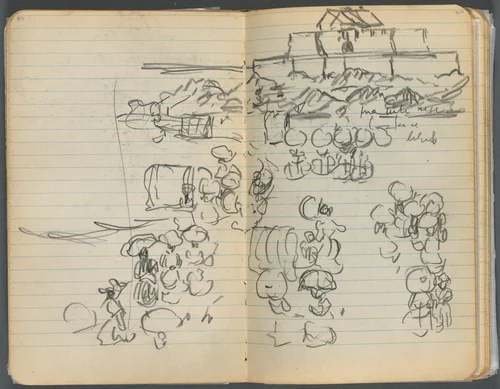
Prendergast specialized in capturing the lighthearted energy of modern life and leisure, often focusing on figures enjoying metropolitan parks, coastal vistas, and bustling public spectacles. His works, such as Street Scene, Skipping Rope, and the kinetic Bareback Rider, are characterized by a shimmering, mosaic-like application of color. This technique builds densely textured surfaces through small, rhythmic dabs of pigment, demonstrating his masterful translation of fleeting movement into carefully structured compositions. Unlike many of his American peers who favored stark realism, Prendergast emphasized chromatic density and rhythmic pattern, creating luminous paintings that often recall the structure of decorative arts. Today, his surviving Maurice Prendergast paintings and prints, many of which are now entering the public domain, remain essential viewing for understanding the globalization of modernist aesthetics.
While his technique remained firmly rooted in Continental experimentation, Prendergast maintained a curious footing in the domestic art scene. He was a foundational member of the progressive exhibiting group known as The Eight in 1908. This association is considered paradoxical, as the other members generally championed the gritty urban realism later identified with the Ashcan School, a style diametrically opposed to Prendergast’s delicate, abstracting sensibility. It remains a fascinating historical footnote that the member of the group most inspired by Paris boulevards and leisure was also the one tacitly endorsing the aesthetic of New York back alleys.
Prendergast’s unique fusion of European theory and American subject matter secured his lasting legacy. His exceptional works are essential components of major institutional holdings, including the Cleveland Museum of Art, the National Gallery of Art, and the Art Institute of Chicago. The availability of high-quality prints and downloadable artwork ensures that the unique color harmonies of Maurice Prendergast continue to engage scholars and enthusiasts globally.
Source: Wikipedia · CC BY-SA 4.0