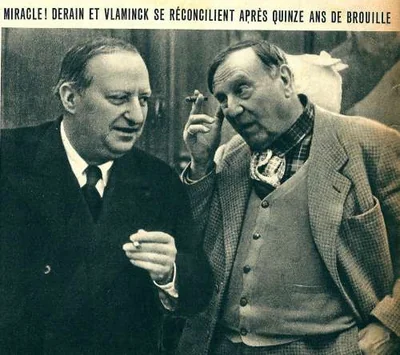
Maurice de Vlaminck
Maurice de Vlaminck stands as one of the pivotal figures in the transformation of French painting at the beginning of the twentieth century. A prolific painter, printmaker, and draftsman, Vlaminck co-founded the revolutionary Fauve movement alongside his contemporaries, André Derain and Henri Matisse. Active primarily between 1904 and 1908, the Fauves established a radical new direction in modern art defined by the intense, non-naturalistic application of color.
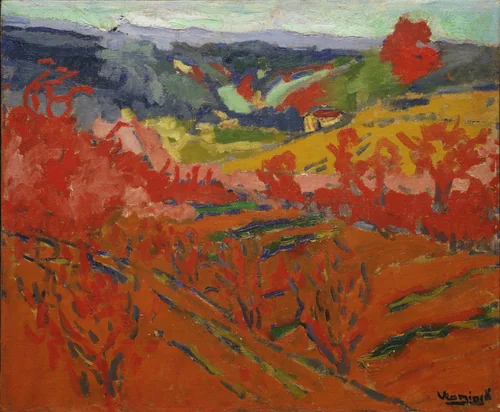
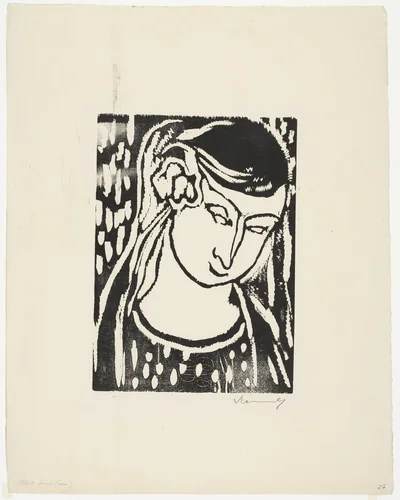
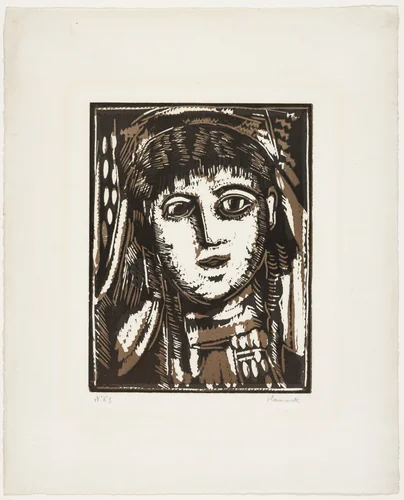
Vlaminck was central to the group’s notorious public emergence at the 1905 Salon d'Automne. The exhibition, which featured canvases vibrating with violent reds, yellows, and blues, scandalized the Parisian public and earned the artists the moniker "Les Fauves" (The Wild Beasts). His works from this period, such as Head of a Young Girl and the dynamic Autumn Landscape, rejected established optical rules in favor of visceral expression, treating color not as a tool for depiction but as an independent, emotional force.
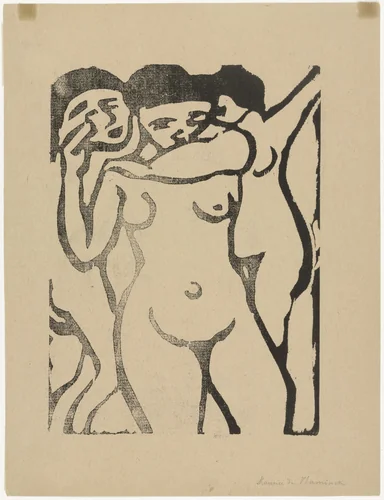
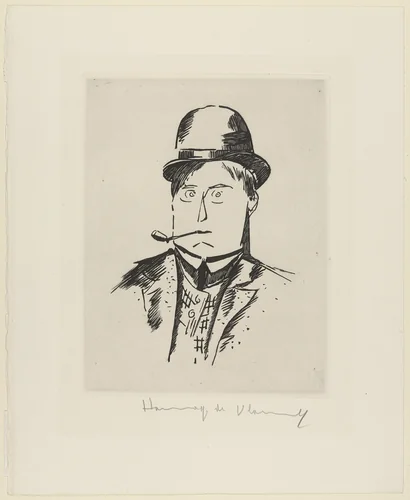
Vlaminck's particular strength lay in the raw, almost explosive energy he brought to his compositions. His approach was often less concerned with the decorative balance sought by Matisse, and more focused on a direct, unmediated visual impact, a tendency perhaps traceable to his lack of rigorous academic art training. He preferred to apply color in thick, assertive strokes, defining the atmosphere and emotional tenor of a piece immediately. This vigor is evident across his varied subject matter, ranging from evocative depictions like At the Brothel to the contemplative study of his Self-Portrait.
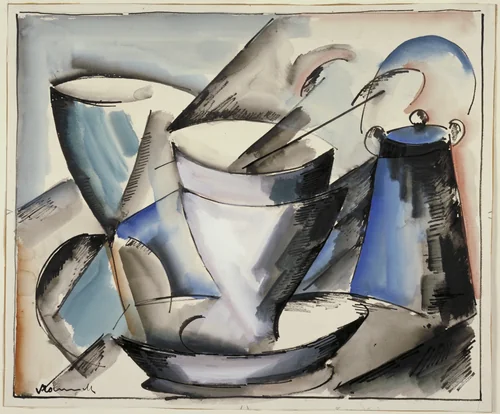
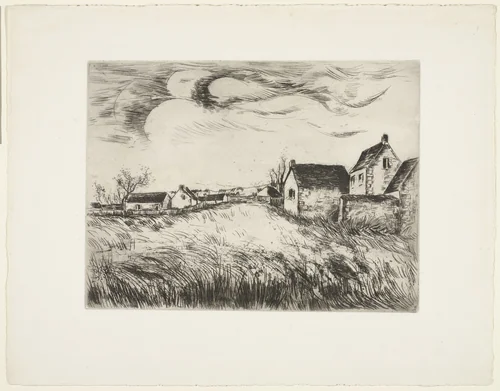
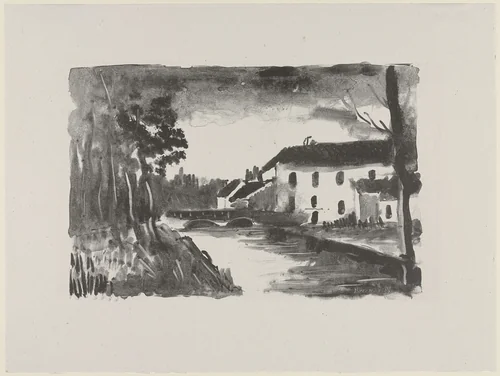
Throughout his period of intense innovation, spanning roughly 1905 to 1924, Vlaminck produced a significant body of graphic work, and many Maurice de Vlaminck prints and drawings from this era are now housed in major collections, including the Museum of Modern Art. His commitment to direct, forceful expression makes his early work exceptionally compelling. Today, the enduring impact of his Fauve output ensures that many of his compositions remain highly valued, with certain early pieces widely available as high-quality prints, ensuring the foundational works of this modern master remain accessible for study and appreciation.
Source: Wikipedia · CC BY-SA 4.0