Matthias Darly
Matthias Darly (active 1754-1771) was a versatile London-based engraver, printseller, and furniture designer whose expansive output significantly influenced the popularization of decorative styles and social satire during the Georgian era. Operating primarily from his establishments in the Strand and Cockspur Street, he was a pivotal supplier of design manuals and high-quality prints, many of which are now preserved in institutional collections, including the Metropolitan Museum of Art.
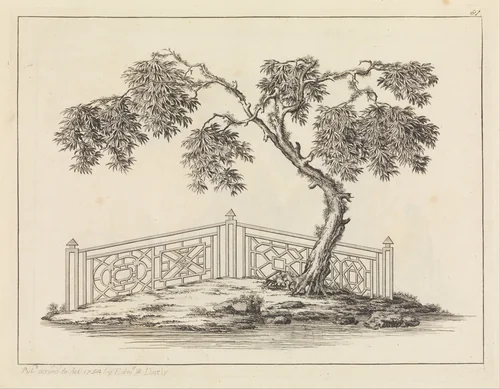
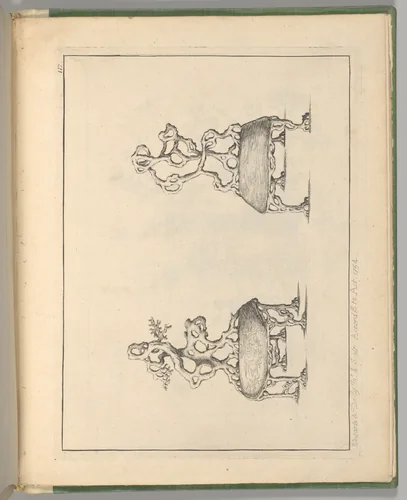
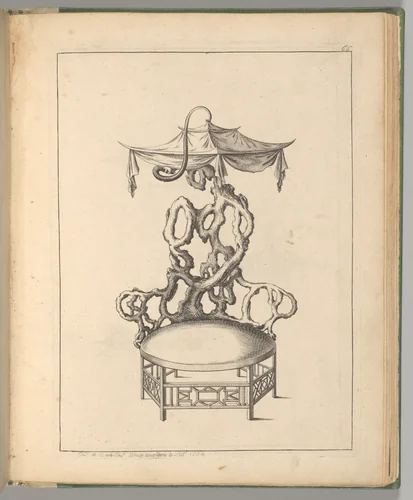
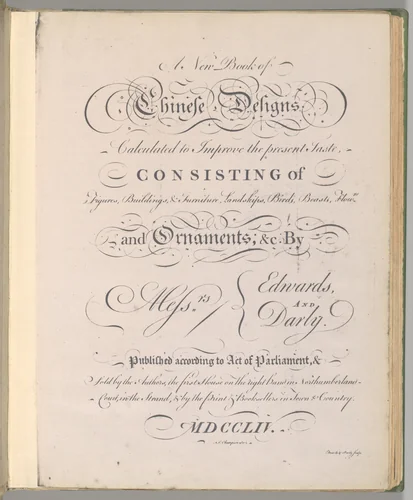
Darly’s significance in the history of design rests on his publications dedicated to architectural and interior decoration, capturing the shifting tastes of the period. His influential volume, A New Book of Chinese Designs, published circa 1754, provided practical templates for everything from garden fixtures to specialized seating, such as the illustrated “Arm Chair” and “Garden Chairs” found in plates 66 and 117. These volumes standardized the fashionable Chinoiserie style, allowing tradesmen and homeowners access to refined decorative elements and contributing directly to the rapid dissemination of 18th-century stylistic trends throughout Britain.
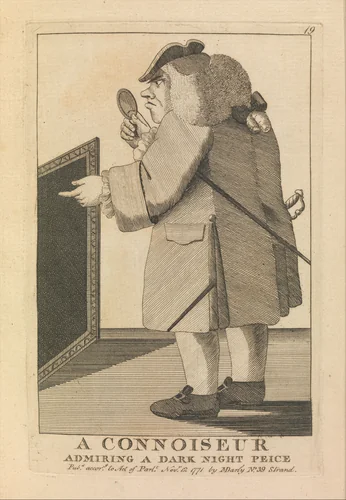
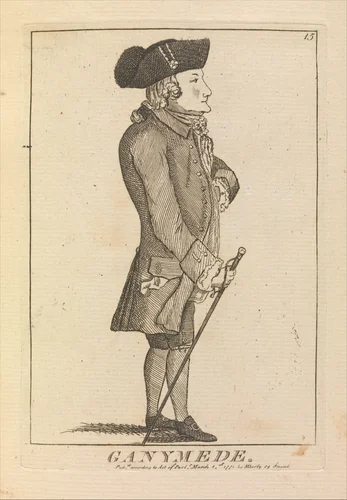
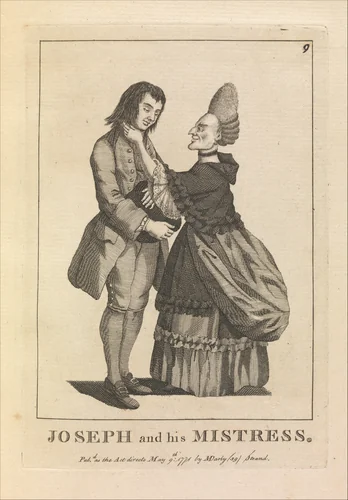
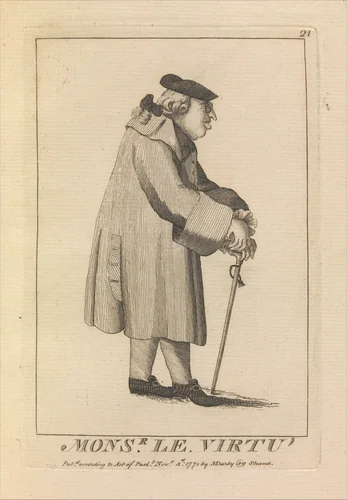
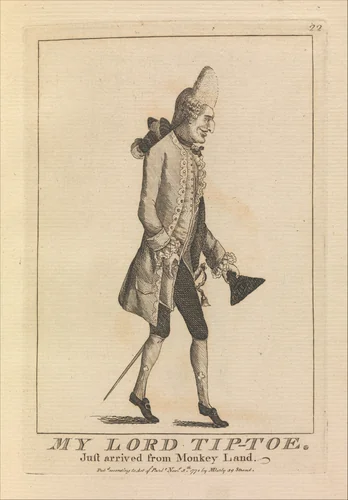
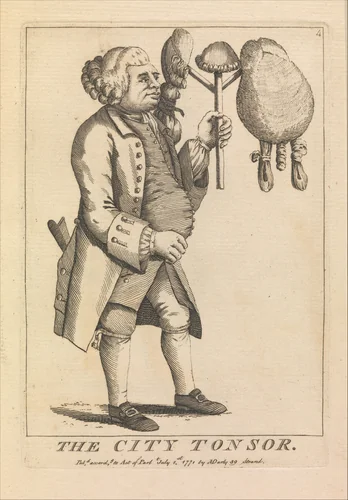
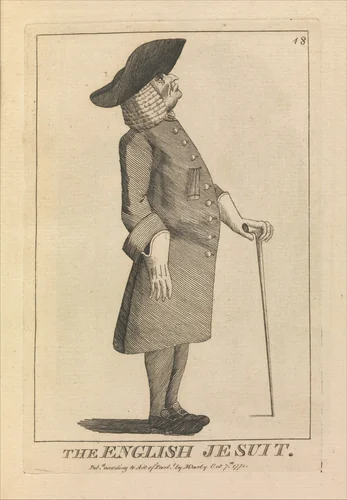
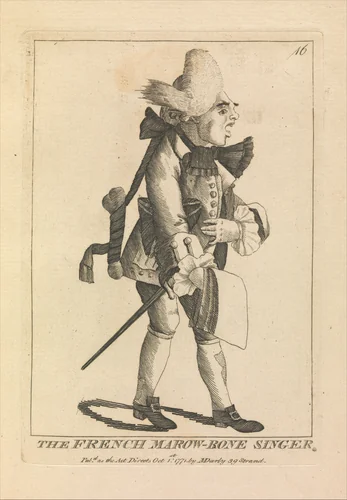
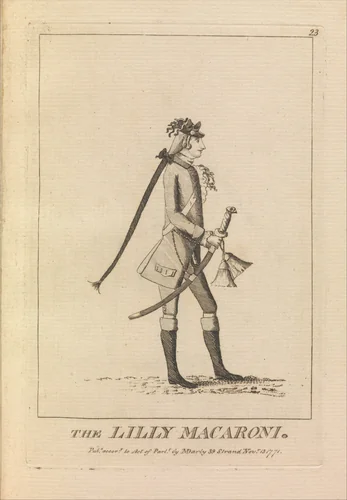
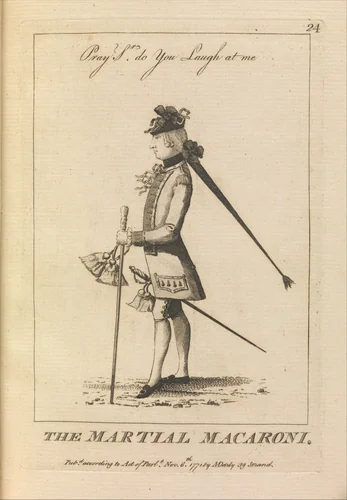
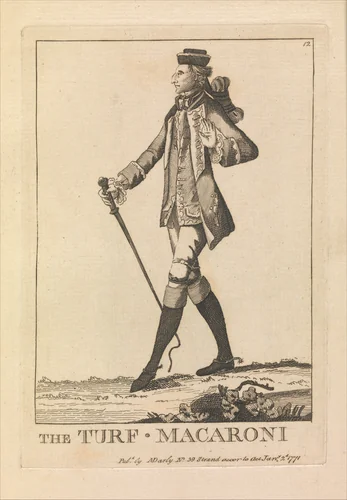
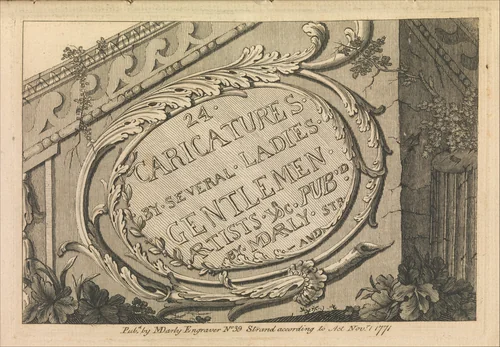
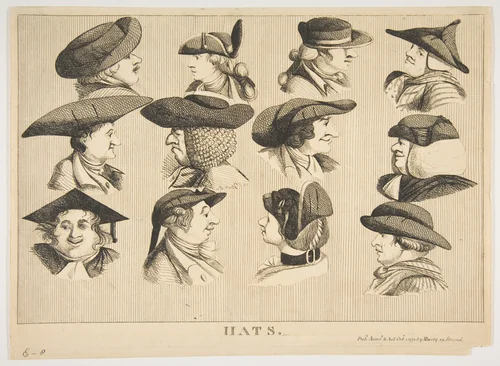
He worked closely with his second wife, Mary Darly, herself a notable figure in printmaking, authorship, and education, having penned the first instructional book on caricature drawing. Together, the Darlys became prominent caricaturists and printsellers during the boom of pictorial satire in the 1760s and 1770s. While Mary focused on the pedagogical aspects of their shared trade, Matthias specialized in detailed social observations, exemplified by works such as A Connoisseur Admiring a Dark Night Piece. This period saw printmaking transition from technical illustration to a potent form of commentary, a transformation the Darlys helped champion. It is notable that while Matthias provided the skilled technical execution of many plates, Mary was crucial to the entrepreneurial and educational aspects of their joint career, suggesting a surprisingly modern division of creative labor for the time.
Darly’s lasting legacy derives from his successful career as both a practical designer and a penetrating social observer. Many of the original plates and subsequent impressions survive today, providing scholars and enthusiasts with valuable insights into both 18th-century decorative art and Georgian society. Owing to their age, many Matthias Darly prints are now classified as royalty-free downloadable artwork through institutional digitization projects, ensuring that these museum-quality prints remain accessible for global study.