Mattheus Terwesten
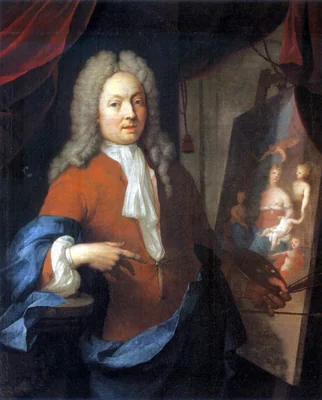
Mattheus Terwesten (or Matthäus Terwesten) stands as a prominent figure in Dutch painting, distinguished both by his opulent decorative commissions and his profound influence on art education during the late 17th century. Active between 1600 and 1680, Terwesten successfully bridged the roles of practicing artist and institutional leader, ensuring his classical, allegorical style resonated across the Netherlands and the German courts.
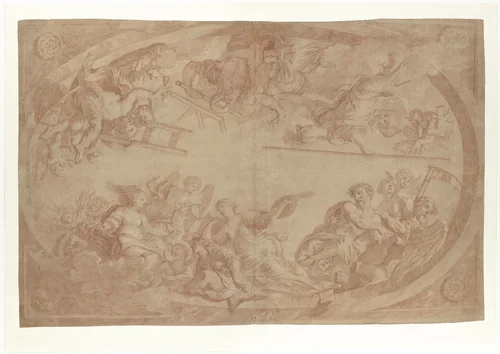
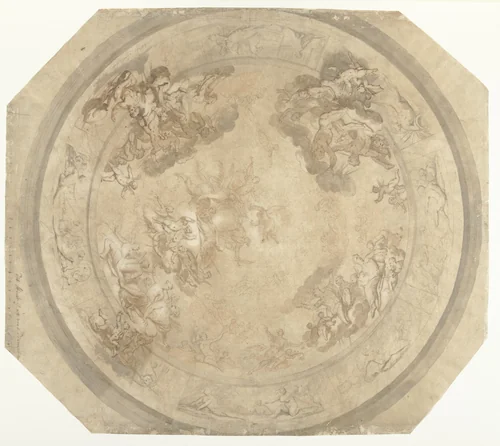
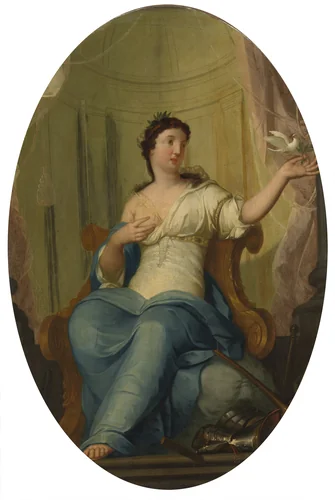
Terwesten specialized in rendering ambitious, dramatic scenes, often drawing from classical literature and mythology. His output included striking portraits, but his true professional identity was that of a decorative painter. He was highly sought after for embellishing the lavish interiors of contemporary luxurious buildings, creating complex architectural installations including chimney pieces, overdoors, wall hangings, and elaborate ceilings.
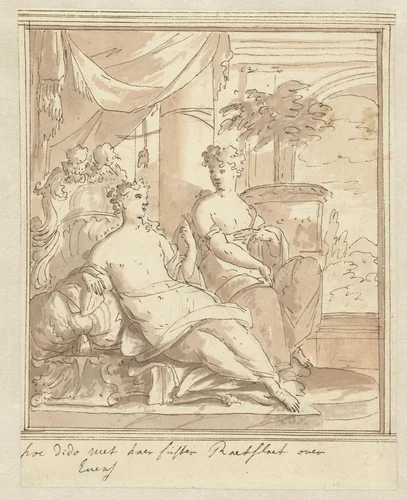
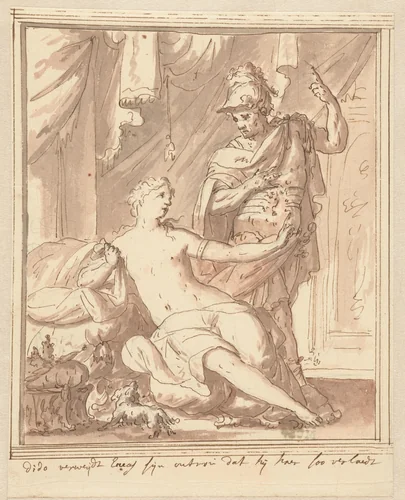
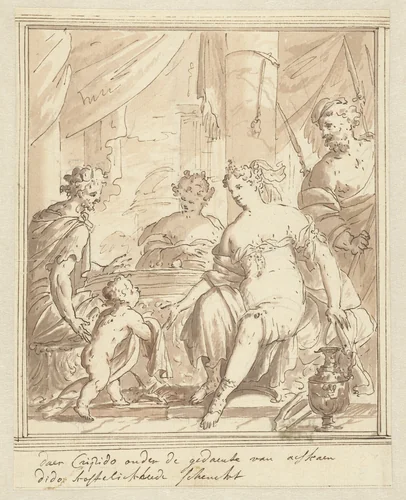
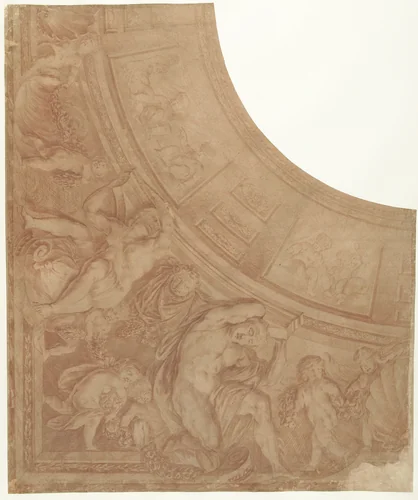
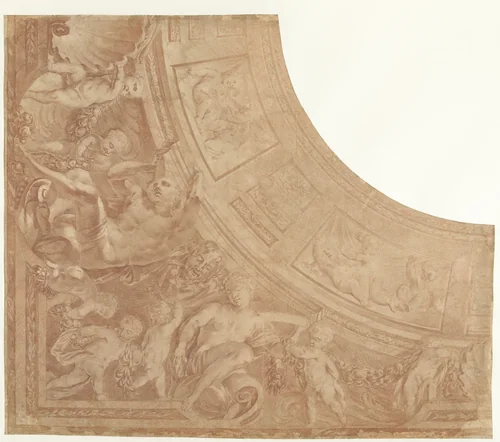
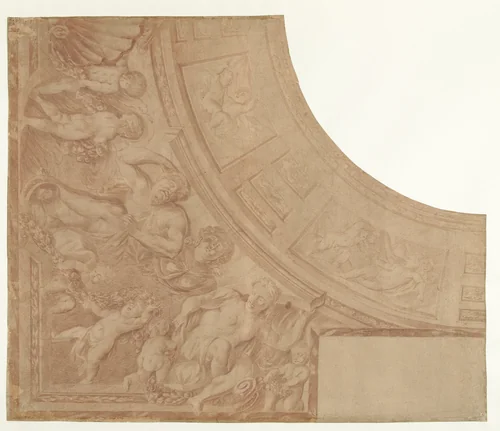
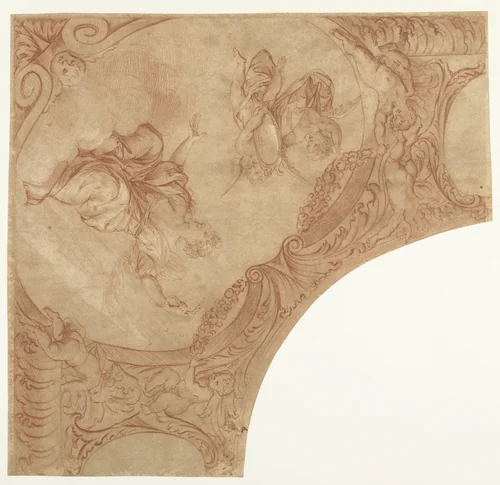
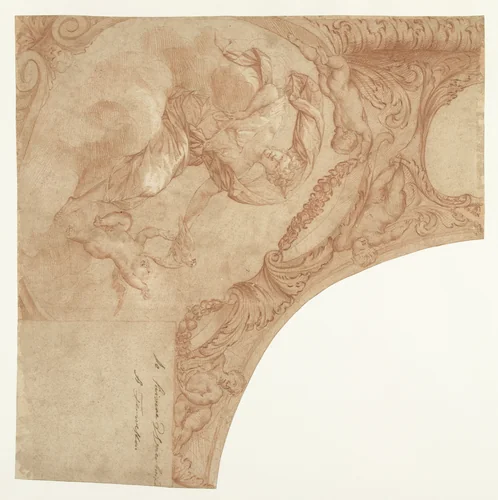
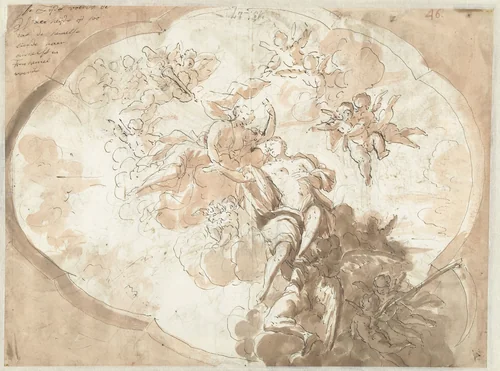
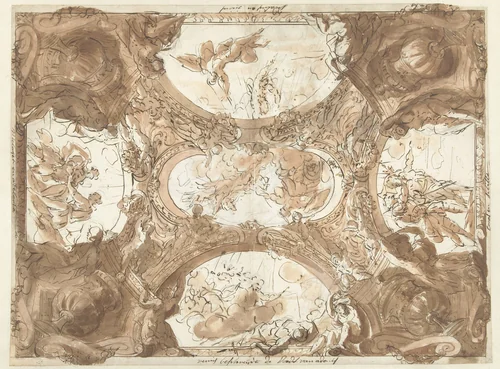
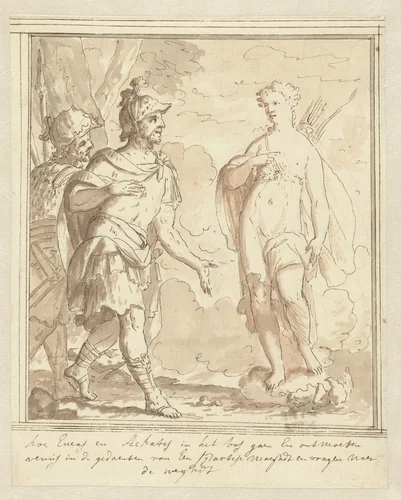
His design expertise is visible in preparatory works such as Ontwerp voor een hoekstuk van een plafond met figuren, putti en buste van een man, illustrating his mastery of merging allegorical figures with integrated architectural settings. He frequently engaged with literary themes demanding intense dramatic interpretation; for example, his series detailing the saga of Dido, including Dido verwijt Aeneas dat hij haar verlaat and In de gedaante van Ascanius brengt Cupido Dido geschenken. One might observe that, unlike many of his contemporaries, Terwesten successfully managed the dual pressures of satisfying private patrons while simultaneously shaping the next generation of Dutch artists.
His institutional commitment began with his influential tenure as Director of The Hague Drawing Academy, a pivotal role in solidifying standard academic instruction in the region. Terwesten’s reputation soon transcended national boundaries, leading him to accept appointments that placed him firmly within the European artistic establishment. He served as court painter to Frederick William I of Prussia, a coveted title that validated his high standing, and concurrently held the esteemed position of professor at the Prussian Academy of Arts.
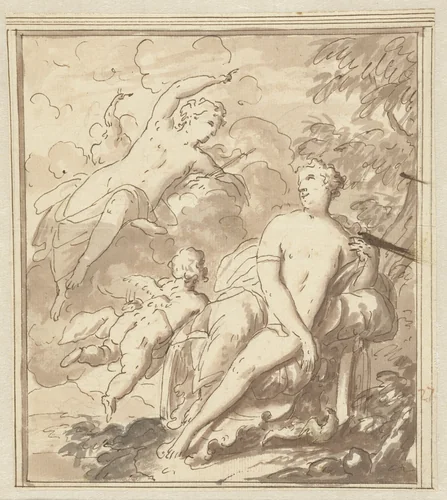
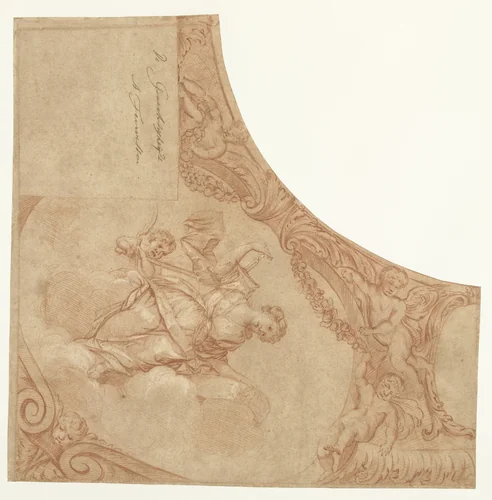
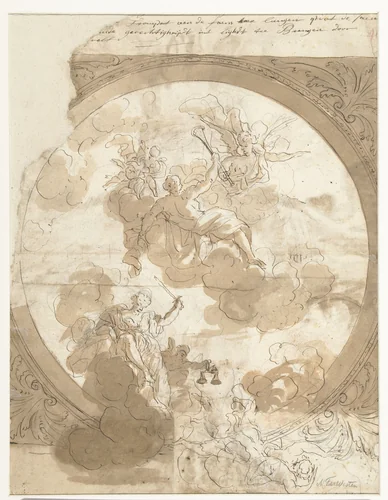
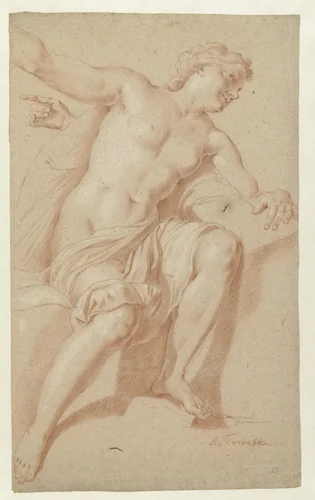
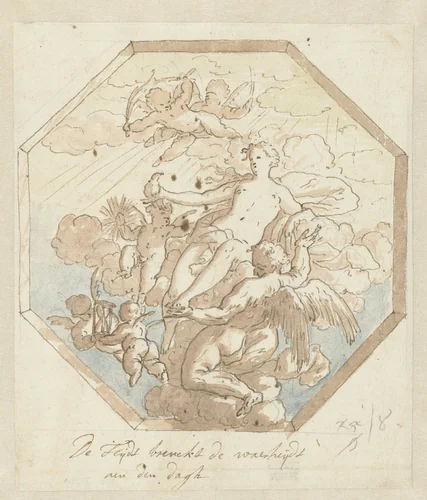
Terwesten’s surviving catalog, comprising preparatory sketches and finished Mattheus Terwesten paintings, often features mythological pairings, such as Juno bij Venus in haar strijdwagen met Cupido. Today, works derived from his body of work are preserved in major collections, notably the Rijksmuseum. Many high-quality prints detailing his superb draughtsmanship and dramatic storytelling are now accessible through public domain archives, allowing modern audiences to appreciate the scope of Terwesten’s celebrated career.
Source: Wikipedia · CC BY-SA 4.0