Mattheus Borrekens
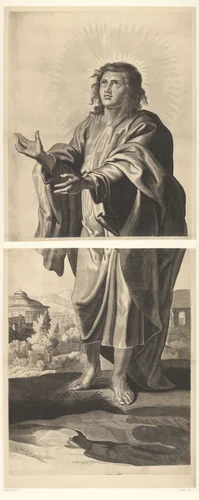
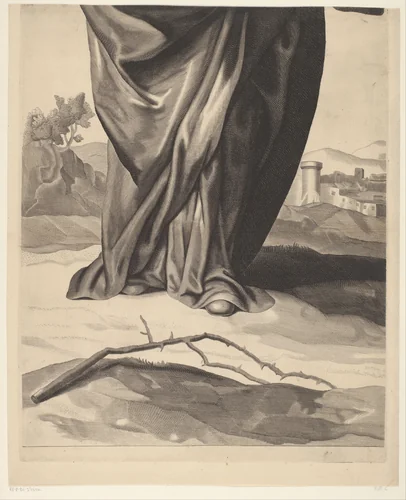
Mattheus Borrekens, sometimes cataloged as Mattheus Borkens, was a Flemish engraver, draughtsman, and printmaker whose productive career spanned the critical mid-seventeenth century (circa 1625-1650). Operating during the high Baroque era in the Southern Netherlands, Borrekens established himself as an essential reproductive artist, dedicated to translating large-scale painted compositions into the reproducible medium of copperplate engraving. This specialization cemented his importance in a period where dissemination through print was paramount for the visual culture and theological instruction across Europe.
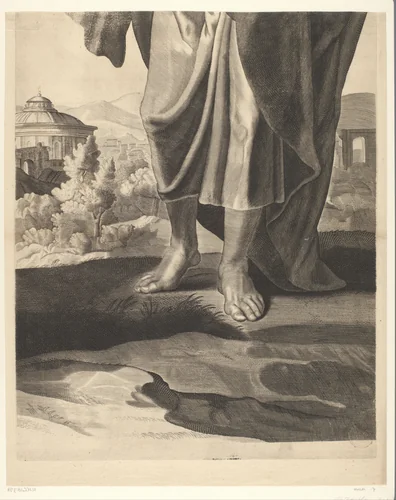
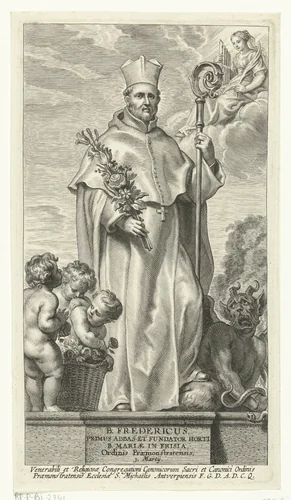
His documented output, which includes key works such as Johannes de Evangelist and Heilige Fredericus, focuses heavily on Christian religious subjects. While specializing in devotional imagery, Borrekens also undertook portraiture, showcasing the versatility required of working printmakers in the busy Antwerp publishing milieu. His mastery was not in originating new styles, but rather in meticulously interpreting and transferring existing compositions—a highly technical skill necessary for producing the important publications commissioned by both the Church and private patrons.
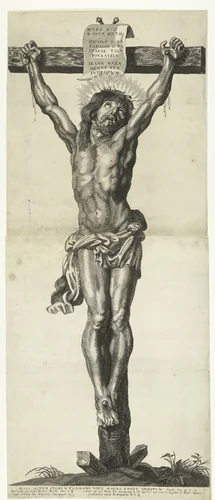
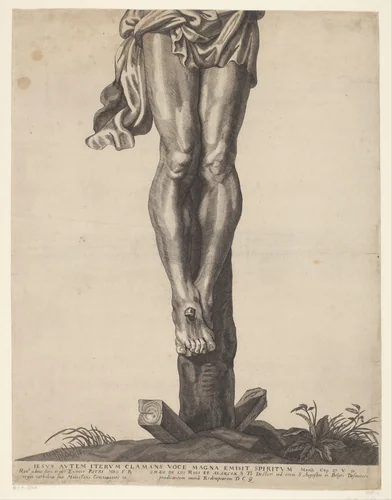
The commercial demands of the era are subtly reflected in the surviving corpus of his work. It is telling, for instance, that multiple near-identical versions of critical religious scenes were required, exemplified by the repetition of the title Christus aan het kruis in his records. This underlines the constant market need for standardized, high-quality prints that could be widely distributed.
Borrekens’s contributions ensured that many significant artworks of the period survived in reproducible form. Today, key examples of Mattheus Borrekens prints are held in major international collections, including the Rijksmuseum, where they offer museum-quality documentation of seventeenth-century artistic trends. Though the reproductive artist often worked without fanfare, the legacy of his enduring images ensures that his work remains available, often entering the public domain, where it continues to illuminate the visual history of the Flemish Baroque.
Source: Wikipedia · CC BY-SA 4.0